
What are aluminum road studs? Aluminum road studs are durable, reflective traffic safety devices made from high-strength aluminum alloy through die casting. They mark lane boundaries, highlight pedestrian crossings, delineate curves and intersections, and guide drivers along highways and rural roads.
Their primary function is to reflect vehicle headlights and provide visual guidance, especially during nighttime or adverse weather conditions.
If you are a procurement professional sourcing road safety products, aluminum road studs directly affect your project’s durability, maintenance costs, and overall safety performance. This guide walks you through the key features of aluminum road studs and what they mean for your procurement decisions.
Exceptional Load-Bearing Capacity
Aluminum road studs offer outstanding structural strength that sets them apart from other materials. Most high-quality aluminum road studs can withstand compression resistance over 30 tons.
Superior compressive strength. Plastic road studs typically handle only 5-10 tons of pressure, while aluminum road studs withstand 30-40 tons. This makes aluminum studs the preferred choice for highways, heavy traffic routes, and roads with frequent truck traffic.
Impact resistance. The aluminum alloy construction maintains structural integrity even under heavy trucks and buses. The studs remain firmly anchored to the road surface without deformation or displacement, reducing road safety risks.
Anti-twist stem design. Manufacturers fix aluminum road studs to the road using an anti-twist stem for added stability. This design prevents rotation and ensures the stud stays in place under heavy loads.
What this means for you: Higher load capacity means fewer replacements and less frequent maintenance. You get a product that lasts longer and performs better under demanding conditions.
Superior Weather Resistance and Corrosion Protection
Aluminum road studs perform exceptionally well in harsh environmental conditions. Rain, moisture, high humidity, salt, and UV radiation severely damage many materials, but aluminum stands up to these challenges.
Corrosion resistance. Aluminum and its alloys have good corrosion resistance and compressive properties. The material resists the corrosive effects of salt and grit, making aluminum road studs particularly suitable for coastal roads, mountainous regions, and rainy areas.
UV stability. Aluminum road studs maintain stable performance under extreme temperatures and possess superior oxidation resistance. High-quality pigments with special UV-coated treatment prevent fading for up to 3 years.
Weather durability. The robust aluminum construction performs well in a variety of environments, from freezing winters to scorching summers.
What this means for you: Weather resistance translates to longer service life and consistent performance regardless of climate conditions.
Enhanced Reflectivity and Nighttime Visibility
Visibility is the core function of any reflective road stud. Aluminum road studs deliver superior reflectivity that significantly improves road safety.
High-intensity reflective lenses. Aluminum studs typically incorporate high-intensity reflective lenses or glass reflectors, providing long-distance nighttime visibility. Some products achieve a reflectivity equal to the intensity of diamond grade.
Stable reflective angle. Since aluminum maintains its shape under stress, the reflective angle remains stable. Plastic studs often lose their correct reflection angle when deformed, reducing nighttime visibility.
Frosted glass or reflective strips. Many aluminum road studs feature frosted glass or reflective strips on the surface, which can effectively reflect vehicle lights and significantly improve nighttime road visibility.
Anti-abrasion protection. The glass-layered lens of aluminum road studs resists abrasion, maintaining reflectivity over extended use. Vacuum-plated lenses stay free from dust.
24/7 visibility options. Aluminum studs can be combined with solar or LED markers to enhance illumination for projects requiring even higher visibility. Solar-powered versions feature built-in solar panels that charge during the day and power LED lights at night.
What this means for you: Better reflectivity means safer roads and fewer accidents. Your investment in aluminum studs directly improves driver safety.
Long Service Life and Lower Maintenance Costs
While aluminum road studs may have a slightly higher initial cost, they deliver significant long-term savings.
Extended lifespan. Plastic road studs typically last only 6-12 months under heavy traffic conditions. Aluminum studs generally have a lifespan of 3-5 years or longer, depending on traffic volume and environmental conditions.
Reduced replacement frequency. The durable construction means fewer replacements over the same period. This reduces both material costs and labor expenses.
Lower maintenance costs. The robust design requires less frequent inspection and maintenance. The studs maintain good appearance and performance in long-term use.
No fading. High surface hardness means aluminum road studs do not leave handprints, do not fade, and have high anti-fouling ability.
What this means for you: Lower total cost of ownership over the product’s lifecycle. The initial investment pays for itself through reduced replacement and maintenance costs.
Fire Resistance and Antistatic Properties
Aluminum offers additional safety features that are important in some specific applications.
Fire resistance. Unlike plastic materials that can melt or contribute to fire spread, aluminum provides excellent fire resistance. This is particularly valuable in tunnels and enclosed areas.
Antistatic properties. Aluminum also possesses antistatic properties, which help improve the safety and reliability of road studs in various environments.
What this means for you: Added safety features make products suitable for a wider range of applications, including tunnels and areas with strict fire safety requirements.
Types of Aluminum Road Studs
Aluminum road studs come in several varieties to suit different applications.
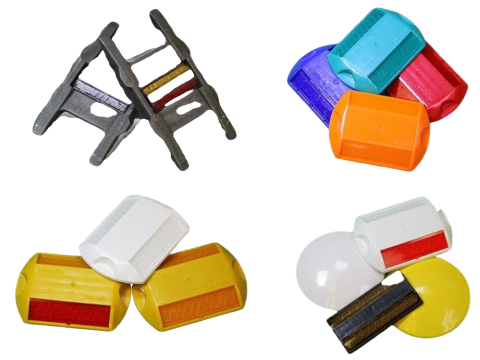
All-aluminum road studs. The shell is entirely made of metal, providing high compressive strength. These are usually used at double yellow lines.
Cast aluminum road studs. Available in two types: full cast aluminum and cast aluminum shell. Full cast aluminum means the shell is entirely metal with high compressive strength. The cast aluminum shell version has a lower cost but also lower compressive strength.
Solar road studs. These studs use solar energy as an energy source, offering environmental protection and energy savings.
Reflective bead studs. These studs have reflective beads embedded in the surface to enhance visibility at night or in low-light conditions.
Types with lenses, anchor pins, or spikes. Aluminum road studs are available in a variety of types, including those with lenses, those with anchor pins, and those with spikes.
What this means for you: You can select the specific type that matches your project requirements, budget, and performance needs.
Applications of Aluminum Road Studs
Aluminum road studs serve multiple functions in road traffic.
Guiding direction and lanes. Road studs provide better visual guidance by reminding drivers to stay in their lanes through retroreflective properties, especially at night or in rainy and foggy weather.
Warning and deceleration. Reflective road studs warn drivers to slow down in curves, construction areas, or other dangerous road sections.
Traffic safety. Road studs reduce the incidence of traffic accidents by reflecting headlights, making it easier for drivers to notice road edge lines.
Specific locations. Road studs are used on both sides of highways, in the middle, on sharp curves, and at highway exits.
What this means for you: Aluminum road studs provide a versatile safety solution that works across multiple road types and conditions.
Installation and Maintenance
Understanding installation requirements helps you plan your projects effectively.
Easy installation. Aluminum road studs are relatively easy to install, either by embedding into the road surface using epoxy adhesive or by surface-mounting using mechanical fasteners.
Adhesive installation. The studs require hot melt adhesive, a 30mm drill bit, and a suitable drill. Typically, 1 kg of hot melt adhesive covers 5 studs.
Anchor installation. For studs with anchors, dig a hole about 1cm deeper than the anchor.
Installation time. The stud is not workable until 8 hours after installation.
Common shapes and colors. Common shapes include rectangular, circular, and raised pavement markers. Colors typically include white, yellow, red, blue, and green.
What this means for you: Proper installation planning ensures your road studs perform as expected from day one.
Comparison with Plastic Road Studs
When you evaluate road stud options, the differences between aluminum and plastic are substantial.
Strength. Plastic road studs have compressive strength of 5-10 tons, while aluminum road studs handle 30-40 tons.
Durability. Plastic studs crack, deform, or fade under sustained traffic loads. Aluminum studs maintain structural integrity even under heavy trucks and buses.
Lifespan. Plastic studs last 6-12 months; aluminum studs last 3-5 years or longer.
Cost. Aluminum studs cost about 40% more than plastic studs of the same size, but the longer service life offsets the higher initial cost.
Environmental sustainability. Aluminum is recyclable, durable, long-lasting, and generates less waste.
What this means for you: While aluminum has a higher upfront cost, the total cost of ownership is significantly lower over the product’s lifecycle.
Normal questions
Before you place an order, ask these questions:
- “What is the compressive strength of your aluminum road studs?” – Look for 30 tons or higher.
- “What reflective materials do you use?” – Glass lenses and microprismatic reflectors offer the best visibility.
- “What is the expected service life under my traffic conditions?” – Get a realistic estimate based on your specific application.
- “Do you offer solar-powered or LED options?” – These provide enhanced visibility for critical applications.
- “What installation method do you recommend?” – Different road surfaces require different approaches.
- “What certifications do your products meet?” – Look for EN1463 or equivalent standards.
- “What is your typical lead time?” – Plan your project timeline accordingly.
Haichen’s Aluminum Road Stud Solutions
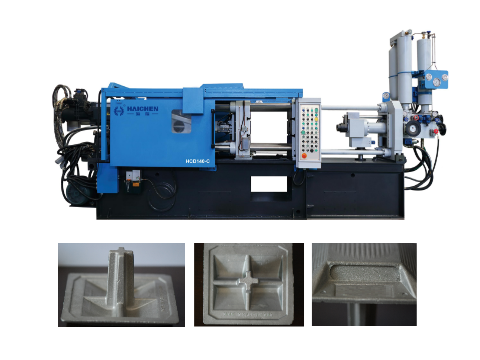
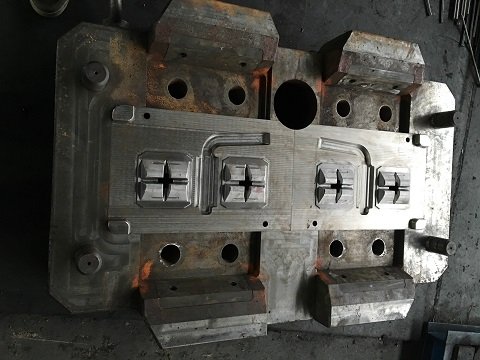
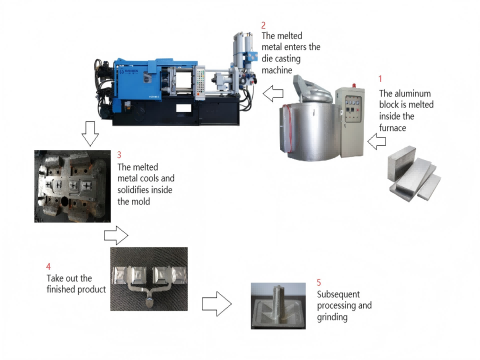
Haichen Machinery manufactures a complete cold chamber die casting production line. Haichen uses cold chamber die casting machines with clamping forces from 350 to 20800 kN for producing aluminum and magnesium parts. The production process follows six steps: melting the aluminum alloy in a furnace, feeding the machine with a ladle, injecting the alloy into the mold, extracting the product, lubricating mold cavities with a sprayer, and post-processing the finished products.
Our aluminum road studs are suitable for highways, main roads, and secondary roads. We offer various types including those with lenses, those with anchor pins, and those with spikes. Haichen’s large-tonnage cold die-casting machines provide proven solutions for the production of road infrastructure and LED stud lighting products worldwide.


