
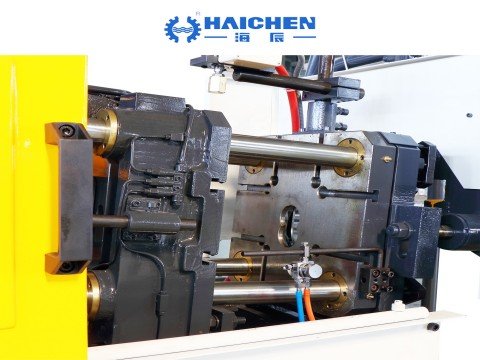
What makes a hot chamber die casting machine different? This equipment integrates the furnace and injection system into a single unit. The injection mechanism immerses directly in the molten metal. This design eliminates separate metal transfer steps. It enables faster cycles and higher production efficiency compared to cold chamber machines.
Hot chamber die casting machines specifically target low-melting-point metals such as zinc, magnesium, lead, and tin alloys. Their built-in furnace keeps the metal molten and ready for injection at all times. This feature significantly reduces cycle times. It makes these machines ideal for high-volume production of small to medium-sized precision parts.
This guide walks you through the key characteristics of hot chamber die casting machines. You will learn what each feature means for your production needs.
Working Principle and Core Design
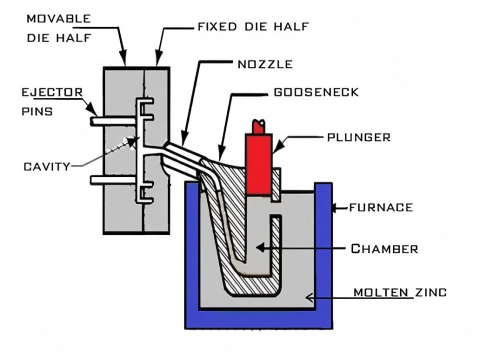
How does a hot chamber die casting machine operate? The machine’s core components are the furnace and the injection system. The furnace heats the metal to a liquid state. The molten metal then flows through a gooseneck channel into the injection system. A plunger or piston pushes the molten metal into the mold cavity at high speed. Hydraulic or pneumatic systems actuate this movement.
The gooseneck system. The gooseneck is a curved tube. It connects the furnace to the injection system. This design keeps the molten metal in a closed channel. It minimizes heat loss. It also prevents contact between the metal and air. The result is more consistent metal temperature at the die entrance and better casting quality.
Simple equipment structure. The hot chamber die casting machine has a relatively straightforward design. This makes it easy to operate and maintain. Its main components include the furnace, injection system, mold, and ejector mechanism. This simplicity contributes to lower maintenance requirements and reduced downtime.
Haichen’s approach to machine design. Haichen’s machines feature a robust clamping unit and a precise injection system. These ensure smooth and accurate high-pressure injection. The advanced control system monitors process parameters in real time. This guarantees consistency for every shot. Haichen’s HC-series hot chamber machines are widely used. They produce parts that require high precision and efficiency.
Applicable Materials and Their Characteristics
Which metals work best with hot chamber die casting? These machines mainly process low-melting-point metals. These include zinc, lead, tin, and some magnesium alloys. These materials have low melting points and good fluidity. They are suitable for rapid melting and injection into the mold.
Zinc alloys. Zinc is the most commonly used material. It offers hardness, toughness, and excellent casting qualities. Zinc alloys flow easily into complex molds. They solidify quickly. This makes them ideal for high-volume production of small, intricate parts.
Magnesium alloys. Magnesium suits applications requiring lightweight components with good corrosion resistance. Hot chamber die casting of magnesium requires protective atmospheres. These prevent oxidation during melting.
Lead and tin alloys. Manufacturers use lead and tin alloys in limited applications. Environmental regulations often restrict their use.
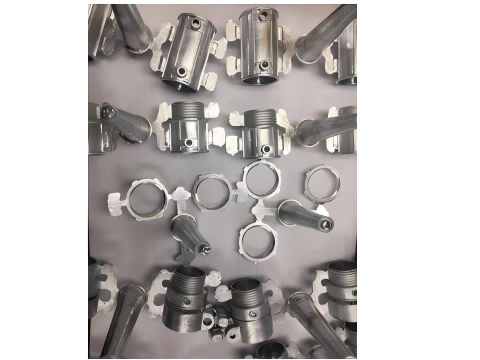
Haichen’s material expertise. Haichen’s equipment specifically handles zinc alloy and lead alloy casting. The company’s HC-series machines provide efficient solutions. They produce zinc alloy components such as threaded connectors, decorative items, and automotive parts.
Production Efficiency and Speed
Why is hot chamber die casting so fast? The integrated design eliminates the transfer step. Cold chamber die casting requires this step. The built-in system keeps metal ready for each cycle. This significantly shortens production cycles and enables near-continuous production.
Cycle time comparison. Cold chamber die casting machines average 50 to 90 cycles per hour. Hot chamber die casting machines can reach 400 to 900 cycles per hour. Some machines produce at a rate of more than 100 cycles per minute. Medium-sized zinc alloy components typically achieve production speeds of 400 to 1000 parts per hour.
High-speed injection control. Modern machines incorporate dry injection speeds exceeding 5 m/s. Electric proportional valves precisely control flow and pressure. This ensures fast and stable metal filling.
Haichen’s efficiency record. Haichen’s HC-series machines demonstrate this efficiency. For example, a Haichen HC-series machine producing zinc alloy threaded connectors with a two-cavity mold achieves 5 complete cycles per minute. This stable high-pressure injection and rapid cycling ensure that critical components meet strict requirements for quality and consistency.
Precision and Surface Quality
How does hot chamber die casting achieve such tight tolerances? The molten metal stays in direct contact with the mold. The high-pressure injection system ensures that the metal evenly fills all details of the mold cavity. This results in parts with high dimensional accuracy, tight tolerances, and smooth surfaces.
Thin-wall capability. Because the metal flows well in the hot chamber process, parts can have thinner wall thicknesses while maintaining structural integrity. This makes hot chamber die casting particularly suitable for producing thin-walled components with intricate details.
Reduced porosity. The closed-channel design prevents air from contacting the metal being injected. This significantly reduces porosity in the final casting. Lower porosity means better mechanical properties and improved pressure tightness.
Haichen’s precision standards. Haichen hot chamber die casting machines are recognized for their reliability and advanced technology. They produce high-quality die-cast parts. The company’s machines are widely used for producing parts that require high precision and efficiency, such as automotive components and electronic device housings.
Automation Capabilities
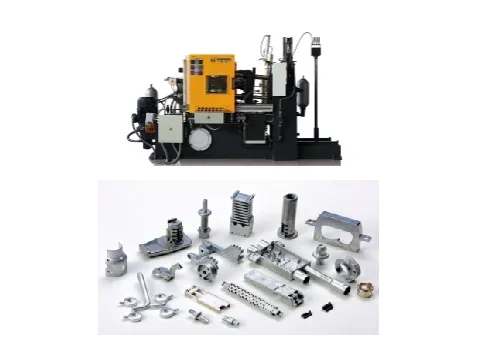
What makes hot chamber die casting so easy to automate? The integrated furnace and injection system simplify the casting process. This reduces the number of manual steps required. Modern hot chamber die casting machines usually come equipped with advanced control systems. These include PLC control and non-contact sensors. They enable highly automated operation and reduce manual intervention.
Streamlined processes. Metal is injected directly through the built-in system. This eliminates the need for an external furnace or metal transfer steps. This simplification makes the process easier to automate and less labor-intensive.
Consistency and repeatability. Automation reduces variability. Manual operations often introduce variability. This improves part-to-part repeatability and overall quality consistency.
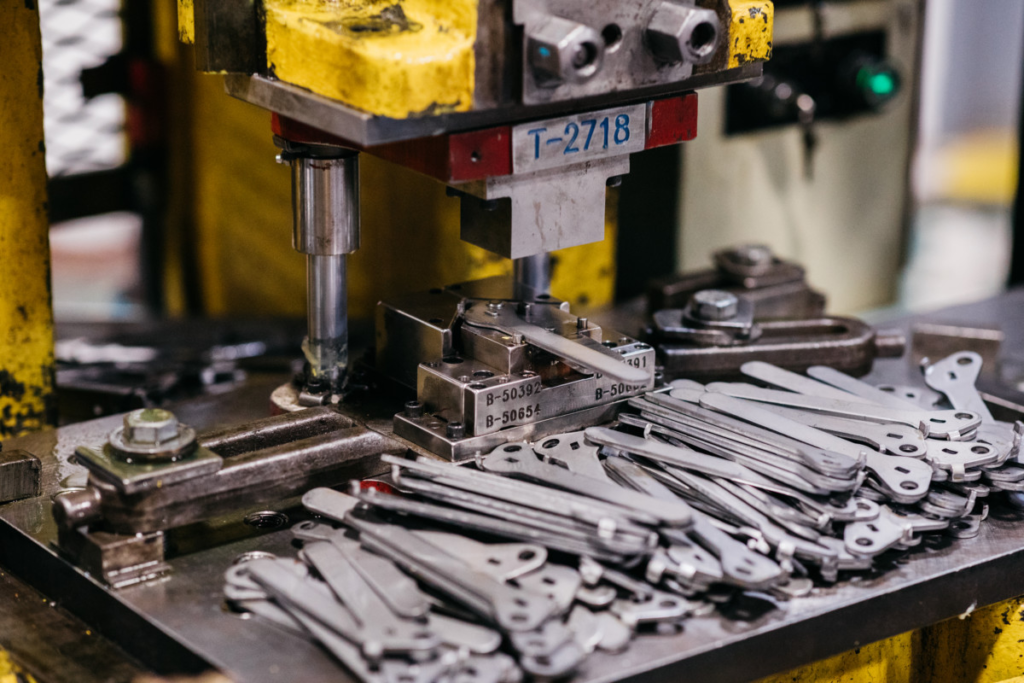
Haichen’s automation solutions. Haichen’s machines feature advanced control systems. These monitor process parameters in real time. They ensure consistency for every shot. The machines are designed with a high degree of automation. They meet the demands of modern, high-volume production environments.
Energy Efficiency and Heat Management
Why does hot chamber die casting consume less energy? The molten metal stays in a closed channel within the furnace. Heat loss is minimal. The injection system, including the piston and gooseneck, is directly immersed in molten metal. This maintains the high temperature of the metal and reduces heat loss.
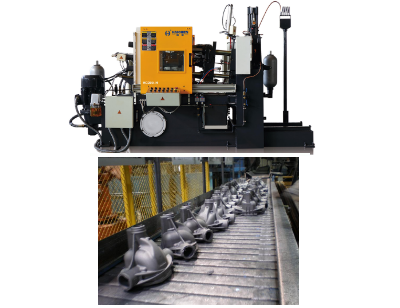
Improved energy utilization. The efficient thermal management helps improve overall energy utilization. Lower heat loss means less energy is required to maintain the metal at casting temperature. This reduces operating costs.
Haichen’s energy-efficient design. Haichen’s H series high-efficiency and energy-saving zinc alloy machines minimize energy consumption. They maintain high production output. This focus on energy efficiency helps customers reduce their operating costs and environmental footprint.
Tool Life and Durability
How does hot chamber die casting extend tool life? The injection system immerses in molten metal. Its mechanical parts experience less thermal shock. In contrast, cold chamber machines must transfer molten metal from the furnace to the injection system for each cycle. This increases the risk of thermal fatigue.
Reduced thermal fatigue. The consistent temperature environment reduces the thermal cycling stress on components. This extends their service life. This translates to longer die life and lower tooling costs over time.
Lower tooling costs. The longer die life contributes to lower overall tooling costs. This makes it a cost-effective choice for high-volume production.
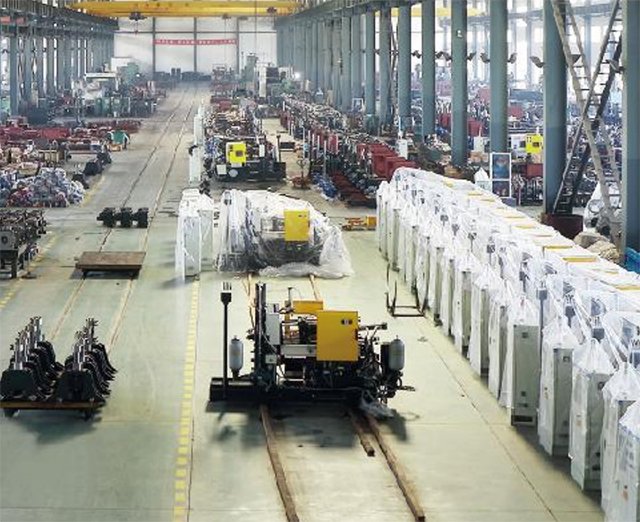
Haichen’s durable construction. Haichen machines feature reinforced ductile iron mold plates and high-strength chrome-plated tie rods. These reduce vibration and flash. They ensure stability at high speeds. This robust construction contributes to longer equipment life and consistent performance.
Common Application Areas
Where do manufacturers use hot chamber die casting? Hot chamber die casting machines are widely used across multiple industries. They primarily produce small, complex-shaped parts.
Automotive industry. The process produces various automotive parts and components. These include door lock housings, sensor housings, and small brackets. Zinc alloy die castings are particularly common in automotive interior and exterior applications.
Electronics industry. The process is ideal for producing electronic component housings, connectors, and heat sinks. These require high precision and thin walls.
Consumer goods. Decorative items, hardware components, and small mechanical parts are commonly produced using this method.
Medical devices. The process produces precision components for medical instruments and devices.
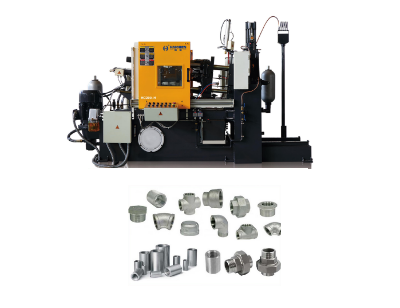
Haichen’s application cases. Haichen machines are widely used for producing zinc alloy parts such as threaded connectors, medals, and decorative items. The company provides complete solutions for automotive, motorcycle, electronics, and hardware industries.


