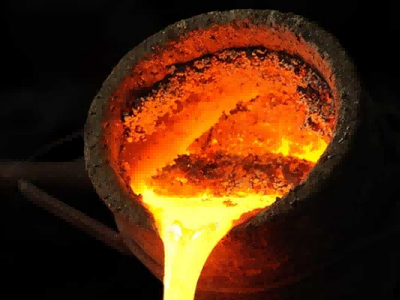
Die Casting Ceramic Crucibles play an important role in metal melting and holding processes.
They help maintain stable temperatures, protect molten metal quality, and support efficient die casting production.
Although a crucible looks like a simple container, its material and performance can directly affect casting quality.
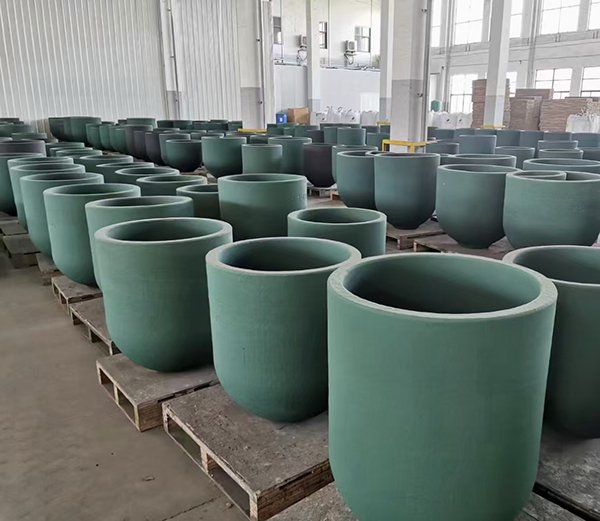
As a die casting machine manufacturer, we work with many factories that use aluminum, zinc, and other alloys.
During production, we often find that a high-quality crucible helps reduce contamination, improve temperature control, and extend furnace life.
Therefore, choosing the right ceramic crucible is a key step for stable die casting operations.
So, let’s take a closer look at ceramic crucible types, their advantages, and their role in die casting.
Types of Ceramic Crucibles for Die Casting
Different metals and production conditions require different crucible materials. Therefore, manufacturers use various ceramic crucibles based on temperature, alloy type, and working environment.
Clay Graphite Crucibles
Clay graphite crucibles are one of the most common choices in metal melting applications.
They combine:
- Good thermal conductivity
- Strong heat resistance
- Good resistance to thermal shock
- Stable performance
Because of these advantages, they work well for aluminum and copper alloy melting.
Besides that, clay graphite crucibles are cost-effective and easy to replace. For many general die casting factories, they are a practical solution.
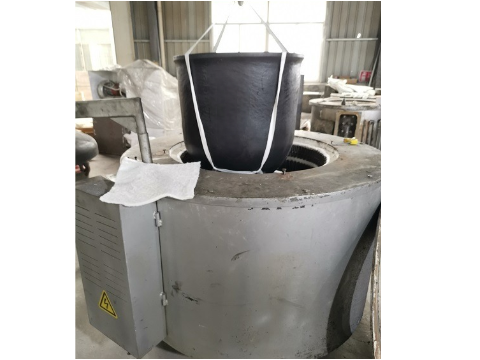
Silicon Carbide Crucibles
Silicon carbide crucibles are designed for more demanding production conditions.
Their main benefits include:
- Higher temperature resistance
- Better oxidation resistance
- Longer service life
- Strong mechanical strength
Therefore, many high-output factories choose silicon carbide crucibles when they need continuous operation.
Although the initial cost may be higher, the longer service life often makes them a smart investment.
In the long run, that’s where the real value comes from.
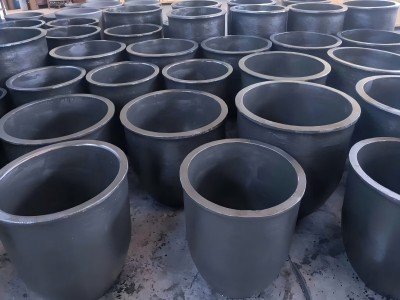
Ceramic and Special Composite Crucibles
Some applications require special ceramic materials or composite designs.
These crucibles provide:
- Excellent chemical stability
- Reduced metal contamination
- Better performance with special alloys
They are commonly used in industries that need high-quality metal control and strict casting requirements.
Key Features of Die Casting Ceramic Crucibles
A good crucible does more than hold molten metal. It must handle extreme heat, chemical reactions, and repeated heating cycles.
High Heat Resistance
During die casting, molten aluminum can reach temperatures above 650°C. Therefore, crucibles must maintain strength under high heat.
High-quality ceramic crucibles help:
- Keep stable temperatures
- Reduce cracking
- Improve melting efficiency
- Support continuous production
Without proper heat resistance, crucibles may fail quickly and interrupt production.
Resistance to Thermal Shock
During operation, crucibles experience rapid heating and cooling cycles.
A reliable crucible should resist:
- Sudden temperature changes
- Surface cracks
- Material expansion problems
This feature is especially important for factories with frequent production starts and stops.
Protection of Molten Metal Quality
The crucible directly contacts molten metal. Therefore, material quality affects the final casting result.
A good crucible helps reduce:
- Metal contamination
- Oxide formation
- Alloy quality problems
As a result, manufacturers can achieve more stable casting performance and fewer production defects.