
A die casting release agent mixer helps prepare and supply the release agent used during the die casting process. Depending on its design, the system may mix a concentrate with water, control the dilution ratio, store the prepared liquid or supply it to a mold spraying system.
Correct preparation matters because the release agent affects mold lubrication, part release and heat transfer. However, the mixer is only one part of the process. The release agent, spray nozzles, delivery pressure, mold temperature and spray cycle must also work together.
When choosing a die casting release agent mixer manufacturer, buyers should look beyond the equipment price. They should compare mixing accuracy, supply capacity, compatibility, maintenance needs and integration with the existing production line.
This guide explains how these systems work and what manufacturers should check before purchasing one.
What Is a Die Casting Release Agent Mixer?
A die casting release agent mixer prepares the working liquid used by a mold spraying system. In many applications, the release agent is supplied as a concentrate that must be diluted before use. A mixing system helps prepare the required concentration according to the product manufacturer’s instructions.
The exact equipment configuration varies. Some systems provide basic mixing and storage. Others include automatic proportioning, pumps, filters, level sensors, flow monitoring and connections to multiple spray points.
Buyers should confirm which functions are included in the proposed system rather than assuming that every mixer provides the same features.
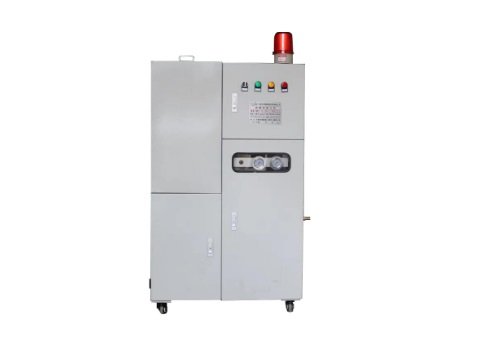
Main Components of a Release Agent Mixing System
A typical system may contain the following components:
- Mixing tank: Holds the liquid during preparation.
- Water supply: Provides water for dilution when the selected release agent requires it.
- Metering or dosing equipment: Controls the amount of concentrate and water supplied.
- Mixing mechanism: Helps produce a uniform mixture where the formulation requires mechanical mixing.
- Pumps and pipelines: Transfer the prepared liquid to the required supply points.
- Filters: Remove suitable particles where filtration is required by the fluid and equipment design.
- Sensors and controls: Monitor selected operating conditions, such as liquid level or flow.
Not every system needs all these components. For example, a simple manual mixing arrangement may be suitable for a small operation, while a larger production line may benefit from automatic dosing and monitoring.
Release Agent Mixing vs. Automatic Dilution and Dosing
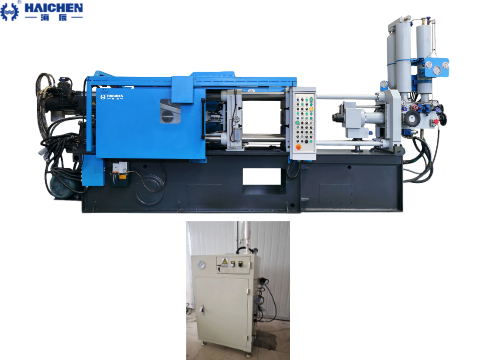
These terms describe related but different functions.
Mixing combines the required ingredients. Dilution adjusts the concentration of a release agent, often by adding water to a concentrate. Dosing controls the quantity of liquid supplied to a process or application point.
A factory may need one function or a combination of all three. The correct choice depends on the release agent formulation, the spray system and the required level of process control.
Before requesting a quotation, define whether the system must prepare batches, continuously control the dilution ratio, supply a storage tank or deliver liquid directly to the spray equipment.
Why Use an Automatic Release Agent Mixing System?
Manual preparation can work for some production environments. However, as production volume and the number of supply points increase, consistent preparation and delivery become more important.
Maintain a Consistent Dilution Ratio
The release agent manufacturer normally specifies the recommended concentration and preparation method. Incorrect dilution can change the fluid’s performance.
If the mixture is too concentrated, the factory may use more concentrate than necessary. If it is too dilute, the release agent may not provide the required performance under the selected process conditions.
An automatic dosing system can help control the proportion of concentrate and water. Its accuracy depends on the metering method, sensor quality, calibration, fluid properties and operating conditions.
Manufacturers should confirm the required ratio range and the system’s documented accuracy before purchasing.
Improve Spray Process Consistency
A well-prepared release agent supports a more controlled spraying process. Consistent fluid preparation can help reduce one source of variation between production cycles.
However, mixing accuracy alone does not guarantee consistent mold coverage. Spray pressure, nozzle condition, spray distance, robot path and mold temperature also affect the result.
For this reason, the mixer should be selected as part of the complete spray system rather than as an isolated piece of equipment.
Reduce Manual Preparation Work
Automatic mixing can reduce repeated manual measuring and mixing tasks. It may also make it easier to record the selected ratio and monitor the liquid supply.
The actual labor benefit depends on the current process. A factory that prepares small quantities infrequently may not need a fully automatic system. A plant with several machines and frequent fluid preparation may have a stronger reason to automate.
Support Better Fluid Management
A properly designed system can help the factory manage fluid levels, delivery and replenishment. Some configurations provide alarms or monitoring functions that help operators identify low liquid levels or supply problems.
These features may reduce avoidable interruptions, but they must match the actual operating needs. Buyers should ask which conditions the system monitors and what actions it takes when an abnormal condition occurs.
Help Control Release Agent Consumption
Accurate preparation and controlled spraying can help reduce unnecessary fluid use. However, the savings depend on the existing process, the release agent, the spray settings and the casting requirements.
The goal should not be to minimize release agent consumption at any cost. The process must still provide the required lubrication, release performance and thermal conditions.
Water-Based vs. Waterless Die Casting Release Agents
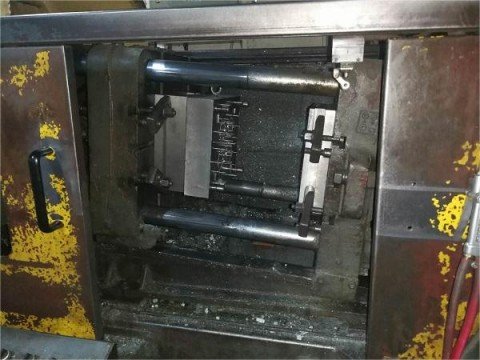
Release agent selection affects the design of the mixing and supply system. The factory should first identify the specific product it will use.
Water-Based Release Agents
Many water-based release agents are supplied as concentrates and diluted with water before spraying. The recommended dilution ratio depends on the product and application.
For these systems, buyers should confirm the required water quality, mixing method, ratio control and cleaning procedure. The supply equipment should also be compatible with the liquid’s chemical properties.
Water quality can affect stability or create deposits in some applications. Follow the release agent supplier’s requirements and establish a suitable maintenance schedule.
Waterless or Oil-Based Release Agents
Waterless release agents may use a different preparation and application method. Some are supplied ready for use, while others may have specific handling or dilution requirements.
A water-based dilution system should not automatically be assumed suitable for a waterless product. The pump, seals, hoses, metering equipment and control method must match the fluid.
The factory should obtain the release agent’s technical data sheet and confirm compatibility with the equipment supplier before installation.
Consider the Casting Alloy and Mold Conditions
Aluminum, magnesium and zinc die casting processes can have different temperature, lubrication and process requirements. Even within one alloy group, mold design and casting geometry affect the required spray conditions.
A release agent that works well for one mold may not be suitable for another. Selection should consider the alloy, mold temperature, surface requirements, spray method and supplier recommendations.
The mixer prepares and delivers the fluid. It does not replace the need to select the correct release agent for the casting process.
Key Specifications When Choosing a Die Casting Release Agent Mixer
The right system should match the required liquid preparation method and the needs of the complete production line.

Dilution Ratio Range and Accuracy
Start with the release agent manufacturer’s recommended concentration. Confirm whether the mixer can prepare the required ratios and whether the equipment supplier provides test data for dosing accuracy.
Ask how the system handles changes in supply pressure, liquid level and operating conditions. If the ratio must change between products, check how operators adjust and verify the setting.
Do not choose a mixer based only on its advertised maximum accuracy. The working range and measurement method must suit the intended fluid and application.
Flow Rate and Supply Capacity
The required flow rate depends on the number of spray points, the spray duration, the operating cycle and the demand of the connected equipment.
For example, a system supplying one die casting machine may have different requirements from a central system serving several machines.
Estimate the demand using the actual spray settings and production cycle. Then ask the supplier to confirm the required delivery rate and pressure under the expected operating conditions.
Tank Capacity and Fluid Storage
Tank capacity should reflect the volume of liquid required between replenishments, the preparation method and the available installation space.
An oversized tank may increase the amount of fluid held in storage. An undersized tank may require frequent refilling and interrupt production.
The tank material, cover, cleaning access and level monitoring should also suit the release agent. Confirm any requirements for agitation, settling time or maximum storage duration with the fluid manufacturer.
Pumps, Filters and Pipeline Compatibility
Pumps and seals must be compatible with the liquid. The equipment supplier should confirm the suitable materials and operating range.
Filters can help control contamination, but the filter rating must match the fluid and nozzle requirements. An unsuitable filter may cause excessive pressure loss or become blocked too quickly.
Pipeline layout also matters. Long lines, many connections and changes in elevation can affect delivery. The supplier should evaluate the complete route from the tank to the spray points.
Control System and Monitoring
Depending on the application, useful functions may include:
- Automatic control of concentrate and water supply.
- Liquid-level alarms.
- Flow or pressure monitoring.
- Low-level protection for pumps.
- Status signals for the connected spray system.
- Fault indication and maintenance access.
These functions should be selected according to operational needs. A simple installation may not require a complex control system, while a multi-machine line may benefit from more extensive monitoring.
Cleaning and Maintenance
Release agent residue, water deposits and contaminants may affect long-term performance. Ask how the system should be drained, flushed and cleaned.
The design should provide practical access to the tank, pump, filter and metering components. Spare parts should also be available when required.
A low purchase price may not represent the lowest long-term cost if cleaning takes too much time or replacement components are difficult to obtain.
How to Choose a Reliable Die Casting Release Agent Mixer Manufacturer
Selecting a manufacturer requires more than comparing quotations. The supplier should understand the intended application and provide equipment that matches the process.
Check Application Experience
Ask whether the manufacturer has experience with the type of release agent and spray system used in your factory.
A supplier should be able to discuss dilution requirements, flow demand, fluid compatibility and the expected operating conditions. If the application is unusual, ask what information the manufacturer needs before confirming the design.
Confirm System Integration Capability
The mixer may need to connect to spray robots, spray nozzles, pumps or a central fluid supply system.
The manufacturer should define the connection points, required pressure and flow, electrical interface and control responsibilities. If several suppliers provide the equipment, agree on the interface requirements before installation.
Request Technical Documentation
Before ordering, request a clear specification covering the mixing method, ratio range, flow capacity, tank volume, pump configuration, materials and control functions.
Also confirm the installation requirements, utility connections, maintenance schedule and spare parts list.
Written specifications make it easier to compare different suppliers and reduce misunderstandings after delivery.
Evaluate Technical Support
Ask how the manufacturer handles installation guidance, commissioning, operator training and troubleshooting.
For overseas buyers, remote support, documentation language, response times and spare parts arrangements may be especially important.
The best supplier is not necessarily the one with the lowest initial price. It is the one whose equipment and support match the factory’s operating requirements.
Compare Total Cost of Ownership
A useful comparison includes the purchase price, installation, utilities, consumables, maintenance, replacement parts and potential production interruptions.
If automation is expected to reduce labor or fluid waste, estimate the benefit using actual factory data. Do not rely on savings percentages that have not been verified for the intended application.
Installation, Operation and Maintenance
Even a suitable mixer needs correct installation and operating procedures.
Set the Correct Dilution Ratio
Use the release agent manufacturer’s instructions to establish the starting ratio. Verify the prepared liquid according to the recommended method before full production.
If the concentration needs to change, follow an approved procedure and record the new setting. Avoid making uncontrolled changes based only on visual appearance.
Check Supply Pressure and Flow
Confirm that the prepared liquid reaches the required spray points at the specified pressure and flow.
Inspect pipes, connections, filters and nozzles for leakage or blockage. If the system supplies multiple machines, check whether simultaneous demand affects delivery.
Clean the System as Required
Follow the release agent supplier’s cleaning instructions. Drain or flush the equipment when required, and avoid mixing incompatible fluids.
Use appropriate protective equipment when handling chemicals. Consult the product safety data sheet for handling, storage and disposal requirements.
Monitor Common Problems
Inconsistent spraying may result from incorrect dilution, blocked nozzles, low supply pressure, a faulty pump or unsuitable spray settings.
Before changing the mixture, check the complete supply and spray system. A problem at the nozzle or pump may not be solved by changing the dilution ratio.
Record recurring faults and maintenance actions. This helps the factory identify the cause instead of repeatedly treating the symptoms.
Frequently Asked Questions
What does a die casting release agent mixer do?
It prepares the release agent working liquid according to the required mixing or dilution method. Depending on its design, it may also store, meter and supply the liquid to a spray system.
How do I choose the correct dilution ratio?
Follow the release agent manufacturer’s technical instructions and validate the ratio under the intended process conditions. There is no single dilution ratio suitable for every release agent, mold or alloy.
Can one mixer supply multiple die casting machines?
Yes, some systems can supply multiple machines. The design must account for total flow demand, pressure loss, simultaneous operation, line length and the required control arrangement.
Is an automatic mixer always better than manual mixing?
No. Manual mixing may be adequate for small or low-volume operations. Automatic systems may offer greater consistency and reduce repeated preparation work when fluid demand is higher.
What information should I provide when requesting a quotation?
Provide the release agent brand and product type, recommended dilution ratio, expected fluid consumption, required flow and pressure, number of supply points, machine quantity, control requirements and installation conditions.
Contact Haichen for Die Casting Equipment Solutions
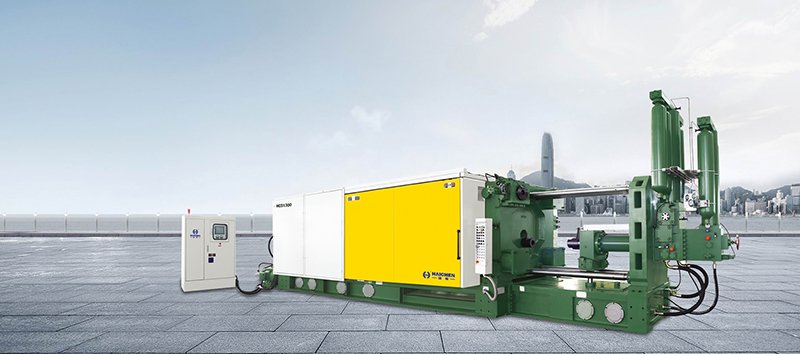
The release agent mixing system should match the wider die casting process. Machine size, mold design, spray method and production cycle all affect the final equipment requirements.
Haichen focuses on die casting equipment and production solutions. If you are planning a new die casting line or improving an existing process, contact the team to discuss your application and equipment needs.
To help the technical team assess your project, prepare the alloy type, casting information, machine specifications, release agent details and automation requirements.
Visit the Haichen DCM website to explore the company’s die casting equipment and submit your project inquiry.


