Choosing the right Die Casting Materials is one of the most important decisions you will make as a buyer. It affects your product cost, quality, lead time, and long-term reliability.
In this guide, we explain the most common die casting materials — aluminum, zinc, magnesium, copper, and lead — and help you understand which one fits your project best.
Why Material Selection Matters to You
Each material behaves differently during die casting. Some flow easily, some cool faster, some offer higher strength, and some are more affordable. Your choice determines:
- How complex your part can be
- How smooth the surface finish is
- How much the part weighs
- How resistant it is to corrosion or wear
- How much your final part costs
Understanding these differences helps you negotiate better, choose the right supplier, and avoid costly mistakes.
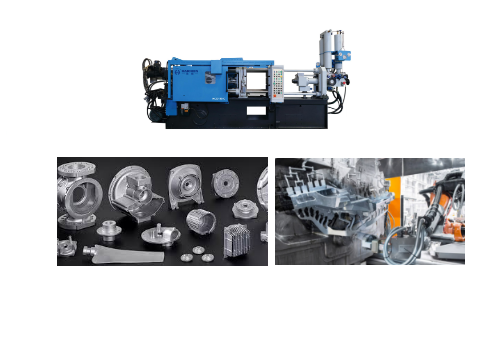
Aluminum Alloys – The Versatile Workhorse
What we like about it:
- Lightweight and strong
- Naturally corrosion-resistant
- Good for heat dissipation and EMI shielding
- Widely available and cost‑effective
Where we use it:
- Automotive engine parts, transmission housings, structural components
- Aerospace brackets and frames
- Appliance housings, electronic enclosures, industrial machinery parts
Buyer tip:
If you are looking for the best overall value, aluminum is usually your safest choice. It balances performance, cost, and availability.
Zinc Alloys – The Precision Performer
What we like about it:
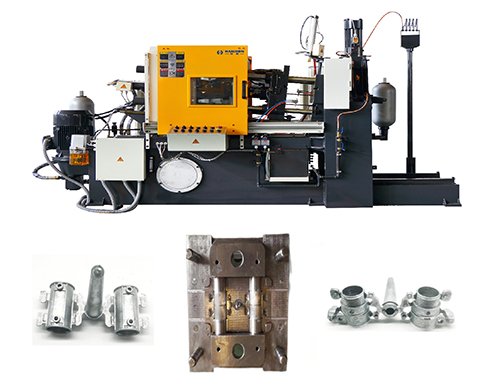
- Excellent fluidity — fills very complex, thin‑wall shapes easily
- Delivers smooth, high‑quality surface finish
- Low melting point saves energy and extends tool life
- Great for high‑volume, high‑precision parts
Where we use it:
- Hardware (locks, handles, hinges, zippers)
- Decorative parts and furniture fittings
- Connectors, gears, and small mechanical components
Buyer tip:
If your product needs very tight tolerances, thin walls, or a polished look without extra finishing, zinc is your best Die Casting Materials option.
Magnesium Alloys – The Lightweight Champion
What we like about it:
- The lightest structural metal — about 30% lighter than aluminum
- High strength‑to‑weight ratio
- Excellent vibration damping and EMI shielding
- Good fluidity for thin‑walled designs
Where we use it:
- Automotive dashboards and lightweight structural parts
- Laptop and smartphone frames
- Aerospace components and portable device housings
Buyer tip:
Choose magnesium when weight reduction is your top priority. But remember, it requires surface protection and special handling during casting.
Copper Alloys – The Heavy‑Duty Specialist
What we like about it:
- Excellent strength and wear resistance
- Superior corrosion resistance, especially in marine or chemical environments
- Good electrical and thermal conductivity
Where we use it:
- Valves, pipe fittings, and pump housings
- Electrical terminals and connectors
- Marine hardware and bearings
Buyer tip:
If your parts face harsh conditions, high pressure, or constant friction, copper alloys deliver reliable, long‑lasting performance — at a higher cost.
Lead Alloys – The Battery and Shielding Material
What we like about it:
- High density and good corrosion resistance
- Good electrical conductivity
- Resists chemical attack in battery environments
Where we use it:
- Lead‑acid battery grids, posts, and connectors
- Radiation shielding and construction materials
Buyer tip:
Use lead alloys primarily for energy storage or radiation protection applications. They are not suitable for structural or decorative parts.
Quick Material Comparison for Buyers
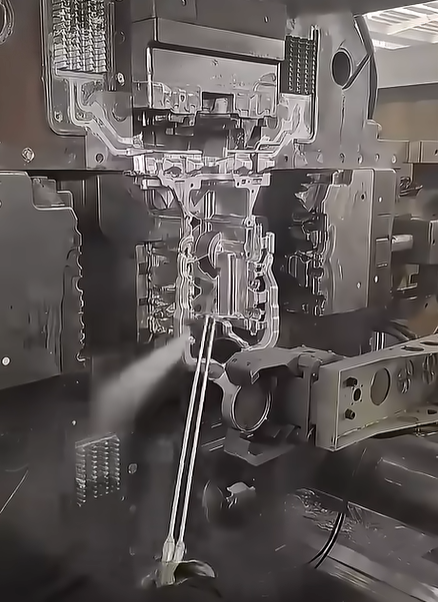
| Material | Weight | Strength | Corrosion Resistance | Complexity | Cost |
|---|---|---|---|---|---|
| Aluminum | Light | High | Excellent | Good | $$ |
| Zinc | Medium | Medium | Good | Very High | $ |
| Magnesium | Very Light | High | Poor* | High | $$$ |
| Copper | Heavy | Very High | Excellent | Limited | $$$$ |
| Lead | Very Heavy | Low | Excellent | Low | $$ |
*Magnesium requires protective coating to improve corrosion resistance.
How to Choose the Right Material – A Buyer’s Checklist
- Define your performance priorities.
Weight? Strength? Surface finish? Cost? Write them down. - Calculate the total cost.
Look beyond material price — consider tooling, machining, coating, and assembly. - Ask your supplier about lead time.
Some materials (e.g., magnesium, copper) may require special handling and longer lead times. - Check finish and coating requirements.
Magnesium and zinc may need additional plating or painting. - Request samples and testing.
Always test prototype parts under real working conditions.
How Haichen Helps You
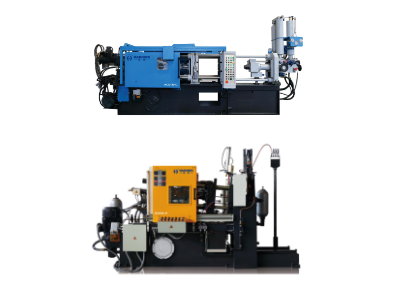
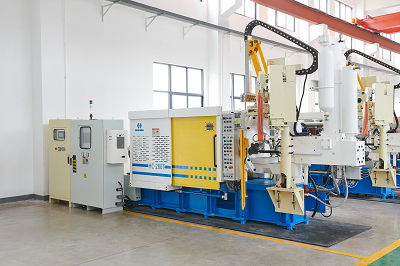
We supply complete die casting solutions, from material selection to full production. Our machines handle all common die casting materials, and we offer:
- Cold chamber machines – for aluminum, magnesium, and copper
- Hot chamber machines – for zinc and lead
- Auxiliary equipment – conveyors, vacuum systems, sprayers, robot arms, mold temperature controllers, and more
- Spare parts and after‑sales support
We work with buyers to optimize part design, reduce costs, and ensure consistent quality.
Need help selecting the right material?
Visit our website or contact us directly — we are happy to guide you.


