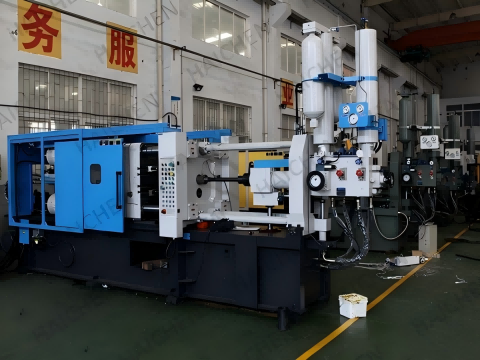
Die casting hydraulic oil properties determine the efficiency, reliability, and lifespan of the hydraulic system. In this process, hydraulic systems play a crucial role in powering and controlling various components of the die casting machine. Therefore, the properties of hydraulic oil used in these machines are of great significance.
This article explains key hydraulic oil properties for die casting machines, including viscosity, thermal stability, oxidation resistance, water resistance, and material compatibility. Understanding these properties helps select the right oil and maintain stable equipment operation.
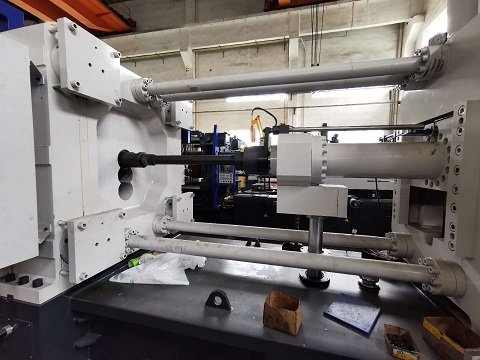
Viscosity in Die Casting Hydraulic Oil Properties
Viscosity measures the oil’s resistance to flow. It links directly to system efficiency and lubrication. Oil that is too thick flows slowly, uses more power, and can overheat the pump. Oil that is too thin can cause internal leaks, reduce control precision, and increase wear.
HAICHEN suggests using oil with the right ISO VG grade (like VG 46 or VG 68) and a high Viscosity Index. This keeps the viscosity stable across both cold starts and hot operation.
Thermal Stability of Die Casting Hydraulic Oil
Hydraulic systems in die casting machines run hot (over 60°C in some areas). Good thermal stability means the oil resists chemical breakdown at high temperatures. It avoids forming sludge, varnish, and acids.
Heat breakdown makes oil viscosity change in bad ways, clogs valves, and corrodes metal. Using oil made from high-quality base stock with strong anti-heat additives is key for a clean, reliable system.
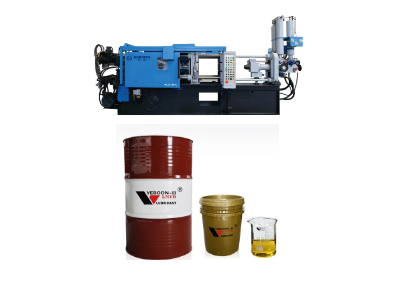
Oxidation Resistance in Hydraulic Oil for Die Casting
Hydraulic oil reacts with air during use. This is called oxidation. Oxidation makes oil thicker and creates harmful deposits. These can clog filters and wear out servo valves.
Strong oxidation resistance, from special additives, slows this process. It greatly extends the oil’s useful life and the time between oil changes. Regular oil analysis helps check its condition.
Water Resistance in Die Casting Hydraulic Oil
Water in the system is a common problem. It can make oil milky, reduce lubrication, and cause rust. Good hydraulic oil should separate from water quickly and let the water drain out.
Also, the oil must release trapped air and resist foaming well. Air bubbles can damage pumps, cause uneven pressure, and make components slow to respond. HAICHEN machines are built to limit water and air entering the system and work best with oils that separate water and resist foam well.

Compatibility of Hydraulic Oil with Die Casting Machines
The oil must work safely with all seals, hoses, and metals (like copper, aluminum) in the system. It must not cause seals to swell or crack, which leads to leaks.
Most importantly, it must give excellent wear and extreme pressure protection. It forms a strong film on moving parts inside pumps, cylinders, and precise valves. This reduces metal-to-metal contact and wear. This protection is vital for maintaining accurate injection and clamping.
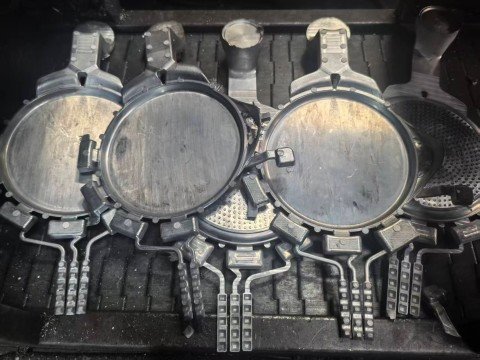
Hydraulic Oil Contamination Control and Change Interval
Particle Contamination
Hydraulic systems in die casting machines are sensitive to particle contamination. Metal wear particles and external dust can cause valve spool sticking and pump scoring. Use return line filters with 10μm or finer filtration. Test oil cleanliness regularly (NAS grade should be below 9). Filter new oil before adding to the system, and keep storage drums sealed.
Oil Degradation Monitoring
Take oil samples regularly to test viscosity, acid number, water content, and additive concentration. Replace oil when viscosity changes exceed ±15% or acid number increases above 0.3 mg KOH/g. Field checks include observing oil color and smell: cloudy or milky appearance indicates water contamination; burnt smell indicates thermal oxidation.
Change Interval Reference
Under normal conditions, hydraulic oil change interval is 2000-4000 operating hours. Shorten the interval for high-temperature environments or continuous production. Drain and clean the tank and lines during oil changes to avoid mixing old and new oil.ntinuous production. Drain and clean the tank and lines during oil changes to avoid mixing old and new oil.
Frequently Asked Questions
Q: What are the key die casting hydraulic oil properties
A: The key die casting hydraulic oil properties are viscosity, thermal stability, oxidation resistance, water resistance, and material compatibility with seals and metals.
Q: Why is viscosity important in die casting hydraulic oil
A: Viscosity affects system efficiency and lubrication. Oil that is too thick increases energy consumption and heat; oil that is too thin causes internal leaks and wear. HAICHEN recommends ISO VG 46 or VG 68 grades. Learn more about hydraulic fluids on Wikipedia.
Q: How does thermal stability affect hydraulic oil performance
A: Thermal stability prevents oil breakdown at high temperatures (over 60°C). Without it, the oil forms sludge and varnish that clog valves, change viscosity, and reduce system reliability.
Q: How often should hydraulic oil be changed in die casting machines
A: Under normal conditions, hydraulic oil change interval is 2000-4000 operating hours. High-temperature or continuous production may require shorter intervals. Regular oil analysis confirms when replacement is needed.
Q: What causes water contamination in hydraulic oil
A: Water enters through leaks, condensation, or improper storage. Good hydraulic oil separates from water quickly. Cloudy or milky oil appearance indicates water contamination requiring immediate attention.