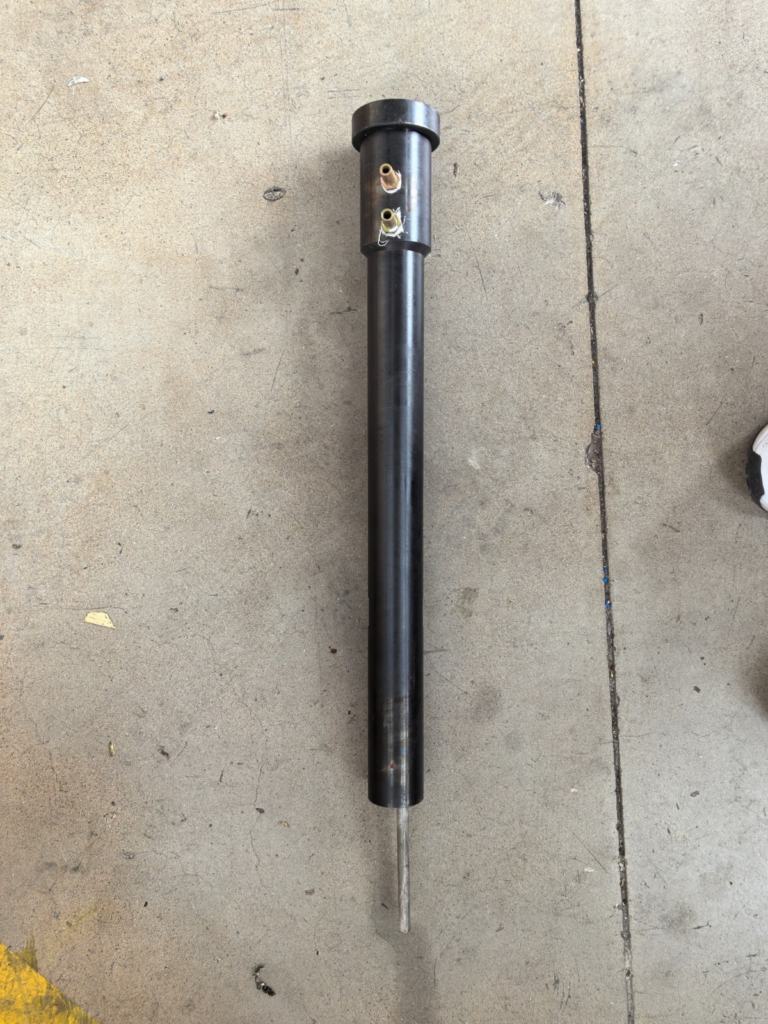
Die casting plunger rod material specifications determine the reliability and longevity of the injection system. In the die casting industry, the plunger rod is a critical component that ensures the smooth injection of molten metal into the mold cavity.
The material used for the plunger rod must meet specific requirements to withstand the high temperatures and pressures of the die casting process.
This article explores the material specifications for plunger rods and why they are crucial for high-quality die casting production.
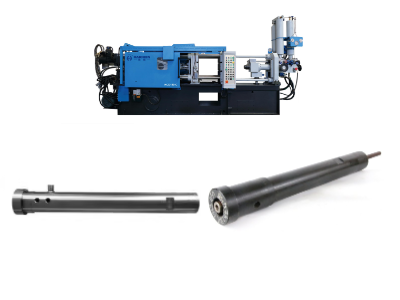
Key Material Requirements for Die Casting Plunger Rod
High-Temperature Resistance
The plunger rod must withstand the extreme temperatures of molten metal without deforming or losing structural integrity. Engineers commonly select materials such as high-temperature alloys and specialized steels to meet this requirement.
Durability and Strength
The plunger rod undergoes significant mechanical stress during the injection process. Manufacturers must construct it from durable and strong materials. Engineers prefer high-strength steel and alloy materials because they withstand repetitive stress without breaking or wearing down.
Corrosion Resistance
Molten metal can be highly corrosive, so the plunger rod must resist chemical attack. Materials with high corrosion resistance, such as stainless steel or specialized alloy coatings, are essential to prevent degradation and ensure long-term performance.teel or specialized alloy coatings, are essential to prevent degradation and ensure long – term performance.
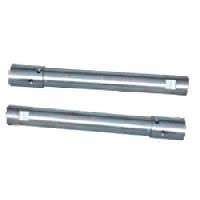
Common Die Casting Plunger Rod Materials
High-Strength Steel
High-strength steel is a popular choice for plunger rods due to its excellent balance of strength and durability. It withstands the high pressures and temperatures of the die casting process while maintaining its shape and function.
Alloy Materials
Specialized alloys containing tungsten or molybdenum offer enhanced strength and temperature resistance, making them suitable for demanding die casting applications.
Stainless Steel
Stainless steel is value for its corrosion resistance and strength. It is often used for plunger rods in applications where resistance to chemical attack is crucial..
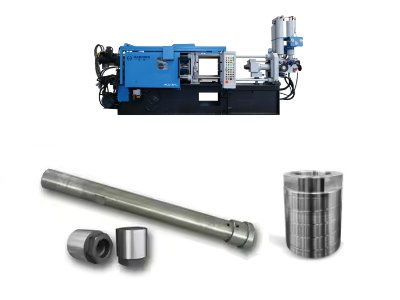
Importance of Die Casting Plunger Rod Material Selection
Choosing the right material for the plunger rod is essential for several reasons:
- Efficient Metal Injection: The right material ensures smooth and consistent metal injection, reducing defects and improving part quality
- Long-Term Reliability: High-quality materials increase rod lifespan, reducing maintenance and replacement costs
- Safety: Materials that withstand high temperatures and pressures without failure contribute to a safer working environment
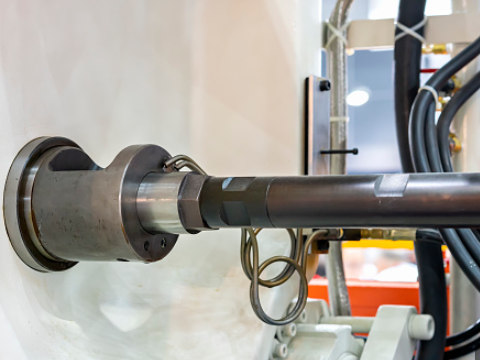
Die Casting Plunger Rod Material Selection by Application
HAICHEN selects plunger rod materials based on machine tonnage, alloy type, and cycle time.
For high-purity aluminum or magnesium alloys sensitive to iron contamination, H11 or premium H13 steel with nitriding surface treatment minimizes iron pick-up. For standard aluminum alloy production, cost-effective wear-resistant materials are employed. High-volume operations benefit from enhanced wear resistance to extend rod life between replacements.
Proper material selection reduces unplanned downtime, extends rod service life, and maintains consistent injection performance across millions of cycles.
Frequently Asked Questions
Q: What materials are used for die casting plunger rods
A: Common die casting plunger rod materials include high-strength steel, alloy materials (with tungsten or molybdenum), and stainless steel. Selection depends on operating temperature, alloy type, and production volume.
Q: Why is material selection important for plunger rods
A: Material selection affects injection efficiency, part quality, rod lifespan, and maintenance costs. The right material withstands high temperatures and pressures while resisting corrosion. Learn more about die casting on Wikipedia.
Q: What is the best material for aluminum die casting plunger rods
A: For standard aluminum alloys, wear-resistant steel is cost-effective. For high-purity aluminum or magnesium alloys sensitive to iron contamination, H11 or H13 steel with nitriding surface treatment is recommended to minimize iron pick-up.
Q: How does plunger rod material affect casting quality
A: The right material ensures smooth, consistent metal injection, reducing defects such as porosity and cold shuts. Proper material selection also maintains dimensional accuracy across production runs.
Q: How often should plunger rods be replaced
A: Replacement frequency depends on operating conditions, material selection, and maintenance. Regular inspection for wear, cracks, or deformation determines replacement timing. High-strength materials extend service life significantly.