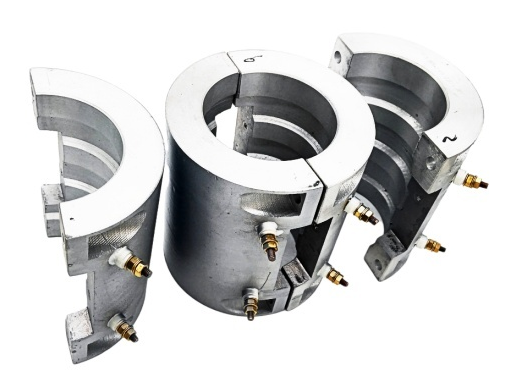
Learn premium die casting bush raw materials for heating components. Compare material traits, benefits and uses to boost machine durability.
Die casting bush relies on high-quality raw materials to sustain stable heating and long service life.
Many factory buyers overlook bush material selection and face frequent wear or heating failure.
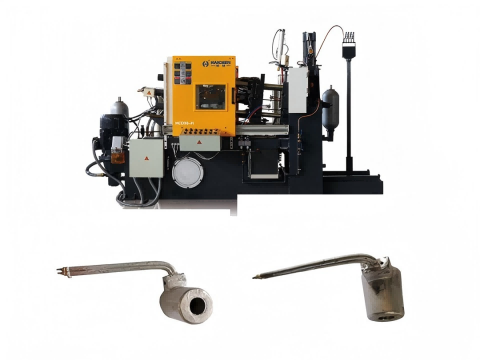
In this guide, we talk through mainstream raw materials for heating bushes.
Also, we share easy selection tips for different die casting production needs.
Honestly, the right raw material directly decides your bush performance and service cycle.
Graphite-Based Raw Materials
Core Material Properties
First of all, graphite ranks as the most common raw material for heating bushes. It holds excellent thermal conductivity and resists high temperature well.
Unlike other materials, graphite keeps stable structure under long-time heating work.
Besides, it delivers smooth surface friction to reduce component abrasion. To be honest, it fits most standard die casting machine setups perfectly.
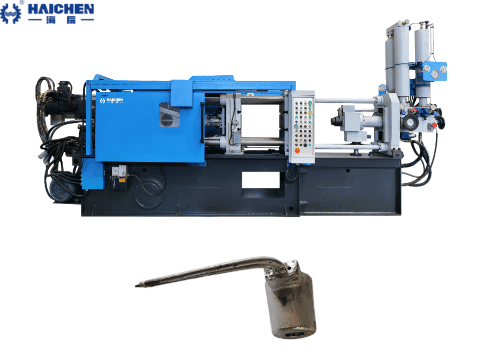
Practical Application Pros
In addition, graphite raw materials cut daily operating costs effectively. They need minimal maintenance and resist thermal deformation in continuous production.
What’s more, they support fast and uniform heating for die casting molds. As a result, they stabilize part forming quality and lower defect rates for regular batch production.
Copper Alloy Raw Materials
Unique Heating Advantages
Secondly, copper alloy stands out for high-efficiency heating scenarios. This material carries ultra-fast thermal transfer speed and heats up evenly in a short time.
It avoids local overheating that damages molds and casting parts. On top of that, copper alloy strengthens the overall durability of the die casting bush in high-frequency production lines.
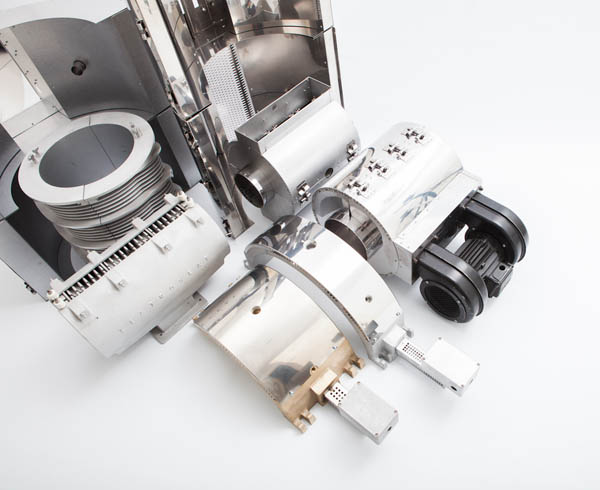
Suitable Production Scenarios
Furthermore, copper alloy materials suit precision die casting projects best. They work well for small, thin-wall alloy parts that need strict temperature control.
Of course, copper alloy costs more than graphite raw materials. Even so, it greatly reduces replacement frequency and long-term downtime losses.
Silicon Carbide Composite Materials
High-Temperature Resistance
Thirdly, silicon carbide composite materials serve extreme high-temperature working conditions.
This material resists oxidation and high-temperature corrosion far better than ordinary options.
It never cracks or deforms under long-cycle intense heating. In fact, it is the most durable raw material for heavy-duty die casting workshops.
Long-Term Usage Value
Apart from strong durability, silicon carbide maintains steady heating efficiency for years. It adapts to ultra-high-volume mass production without performance decay.
Although its upfront cost is higher, it maximizes the service life of the die casting bush and saves plenty of replacement labor and time costs.
To sum up, three mainstream raw materials dominate heating bush production for die casting machines.
Graphite fits regular budget production, copper alloy suits precision processing, and silicon carbide matches heavy-duty work.
Choosing the correct raw material is the key to maintaining stable machine operation.
A well-selected material always lets your die casting bush deliver consistent heating performance and create more production value for your factory.