The die casting machine tie bars — also called tie rods, columns, or 拉杆 (哥林柱) in Chinese — are the high-strength metal rods that connect the stationary and moving platens of a die casting machine.
In most machines, you will find four tie bars arranged symmetrically around the platens. They serve as the structural backbone of the entire clamping system, and they directly affect your casting quality, mold life, and production uptime.
This guide explains everything a procurement professional needs to know about tie bars: what they do, what materials matter, what can go wrong, and how to make smart purchasing decisions.
What Do Tie Bars Actually Do?
Tie bars perform several critical functions that keep your die casting operation running smoothly:
Structural Support and Clamping Force Distribution. Tie bars connect the stationary and moving platens to form a rigid frame. They withstand the clamping force — which can reach thousands of tons — and distribute it evenly across the mold surface. This prevents mold deformation under high pressure.
Mold Alignment and Parallelism. Tie bars ensure the two mold halves stay perfectly aligned during clamping and injection. Proper alignment reduces defects like porosity and incomplete fills, and it extends mold life by minimizing uneven wear.
Adjustment for Mold Thickness. Tie bars can be mechanically adjusted to accommodate molds of different thicknesses, which allows the machine to switch between products quickly.
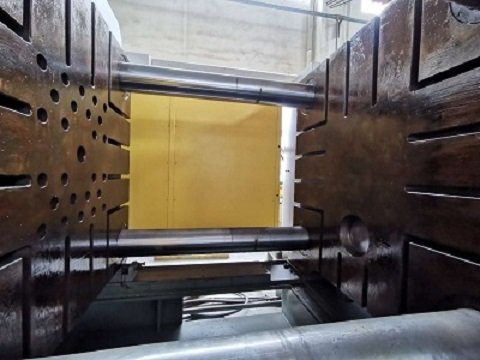
Absorption of Thermal Expansion. Heat from molten metal and friction causes components to expand. Tie bars absorb this thermal expansion without losing clamping force, maintaining consistent pressure throughout prolonged cycles.
Safety and Load Balancing. Tie bars act as fail-safes, containing energy in case of hydraulic system failure and balancing dynamic loads during high-speed mold movements.
Ejector Pin Reset. Tie bars also ensure the forced return of ejector pins during the die-casting process, preventing stagnation or mold damage that spring return failures can cause.
In short, tie bars keep your mold closed, aligned, and stable under extreme pressure — and they do this thousands of times per day.
Tie Bar Spacing and Distance: What Buyers Must Check
The tie bar distance — also called tie bar spacing or tie bar clearance — refers to the horizontal and vertical space between the tie bars. This measurement determines the maximum size of the mold your machine can accommodate.
| Machine Size | Typical Tie Bar Spacing |
|---|---|
| Small (under 500 tons) | 300–600 mm |
| Medium (500–2,000 tons) | 600–1,200 mm |
| Large (2,000+ tons) | 1,200–2,500 mm |
Why this matters to you: If your mold exceeds the tie bar spacing, it will not fit in the machine. Before you purchase a machine or a mold, verify that the mold dimensions fall within the tie bar clearance. Some machines offer adjustable or retractable tie bars for oversized molds, but these options add cost.

Important note: The tie bars also limit the space available to adjust or remove core plates or ejector plates mounted behind the platens. Factor this into your maintenance planning.
What Materials Are Tie Bars Made Of?
Tie bars must withstand extreme mechanical stress, thermal cycling, and corrosion. The material choice directly affects service life and reliability.
Alloy Steel (e.g., 42CrMo4, 40Cr). This is the most common material for tie bars. It offers high tensile strength (800–1,200 MPa) and good fatigue resistance. Haichen uses high-tensile alloy steel bars to ensure inherent strength and uniform load distribution.
Hot Work Tool Steel (H13). Some tie bars use H13 or equivalent hot work die steel, which provides high-temperature strength and tempering resistance above 500°C.
Stainless Steel. For applications requiring corrosion resistance, stainless steel grades like BLG205-BLG1080 are available.
Tungsten Carbide. Used in high-wear areas where exceptional abrasion resistance is required.
Surface Treatments. Many tie bars receive surface treatments to extend service life. Haichen offers both nitrided rods and traditional chrome-plated rods. Chrome plating resists corrosion, while nitriding increases surface hardness and wear resistance.
| Material | Tensile Strength | Best For |
|---|---|---|
| 42CrMo4 alloy steel | 800–1,200 MPa | General-purpose, high-strength applications |
| H13 tool steel | High | High-temperature die casting |
| Stainless steel | Varies | Corrosive environments |
| Tungsten carbide | Very high | Extreme wear applications |
Key Technical Parameters for Tie Bars
When evaluating tie bars, pay attention to these specifications:
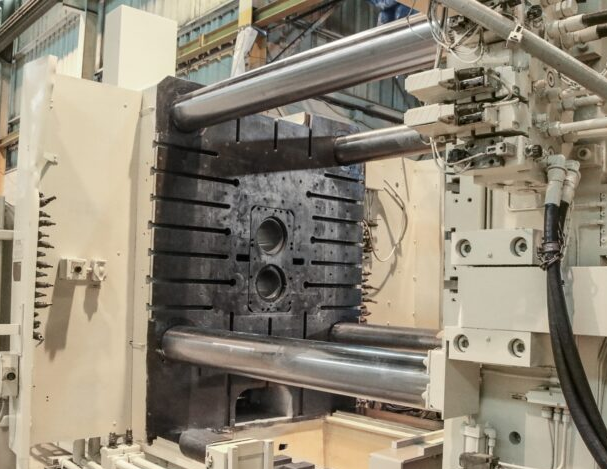
Diameter. Tie bar diameter typically ranges from 100–300 mm depending on machine size. The diameter determines the bar’s load-bearing capacity.
Slenderness Ratio. The diameter-to-length ratio should not exceed 20:1 to prevent bending and fracture.
Preload Force. Proper pre-tensioning ensures tie bars remain elastic under maximum load. Preload force typically ranges from 60–70% of yield strength.
Alignment Tolerance. The deviation between the center of expansion force and the clamping center should be 5 mm or less to avoid tie bar deformation from uneven loading.
Thermal Expansion Management. Automatic adjustment systems can maintain force balance to within 0.02 mm/m, compensating for thermal expansion.
Common Tie Bar Problems and Failures
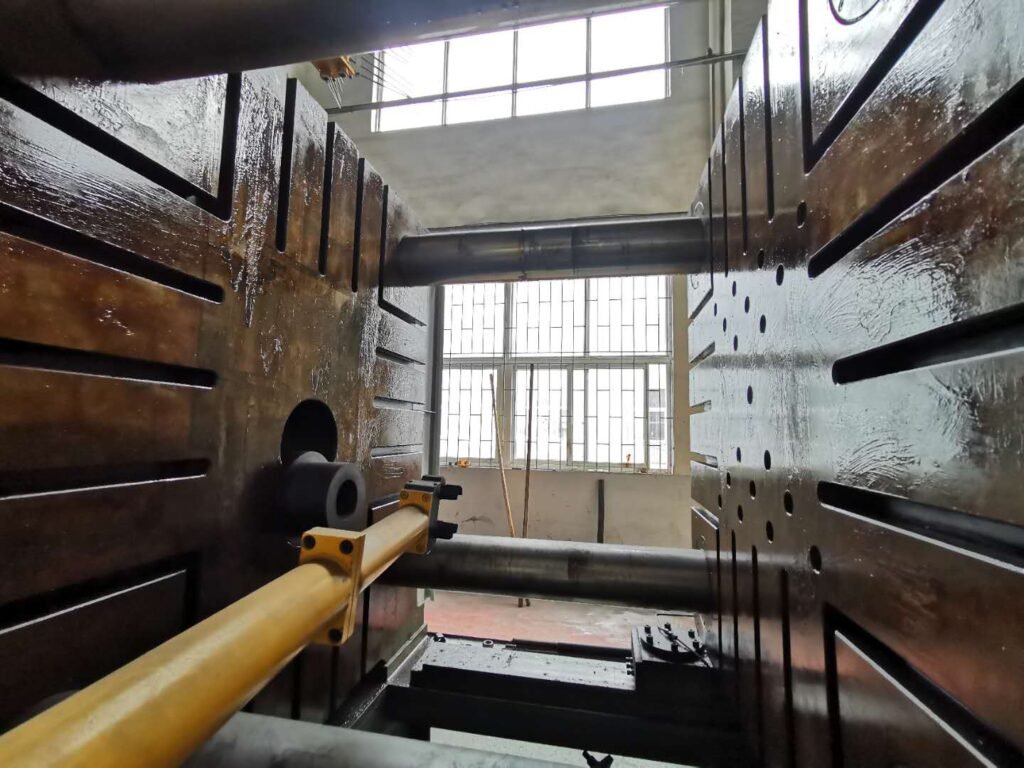
The die casting machine tie bars endure repeated stress cycles, and they fail in several predictable ways. Understanding these failure modes helps you spot problems early.
Fatigue Fracture. Cracks typically start at thread roots or step changes from repeated clamping force. Signs before break include unstable clamping force and increased noise. Regular non-destructive testing finds cracks early, but broken bars require full replacement at high cost.
Surface Galling. Poor lubrication or hard particles between the tie bar and guide bushing cause axial scratches 0.1 mm to several mm deep. Galling increases movement resistance and causes uneven clamping force.
Bending. Off-center clamping force or non-parallel mold mounting bends the bar. Bent bars cannot transfer force evenly, which causes more flash on castings. A bend over 0.2 mm/m requires straightening or replacement.
Thread Wear. Long-term movement between the adjustment nut and tie bar thread increases thread clearance. Severe wear causes poor clamping force holding.
Elongation. Over time, tie bars may stretch under repeated loading, reducing clamping force.
Corrosion. Exposure to coolants or humidity can cause corrosion, particularly if the surface treatment wears off.
Unbalanced Load. When mold design has defects, installation is off-center, or the machine is not leveled, clamping force cannot distribute evenly across the four tie bars. This causes a single tie bar to bear stress exceeding its design load.
Thermal Deformation. Mold temperature rise causes uneven thermal expansion of tie bars. If tension is not adjusted in real time, this causes local overload. Length differences among the four tie bars amplify temperature strain.
Tie Bar Maintenance: What Buyers Should Ask
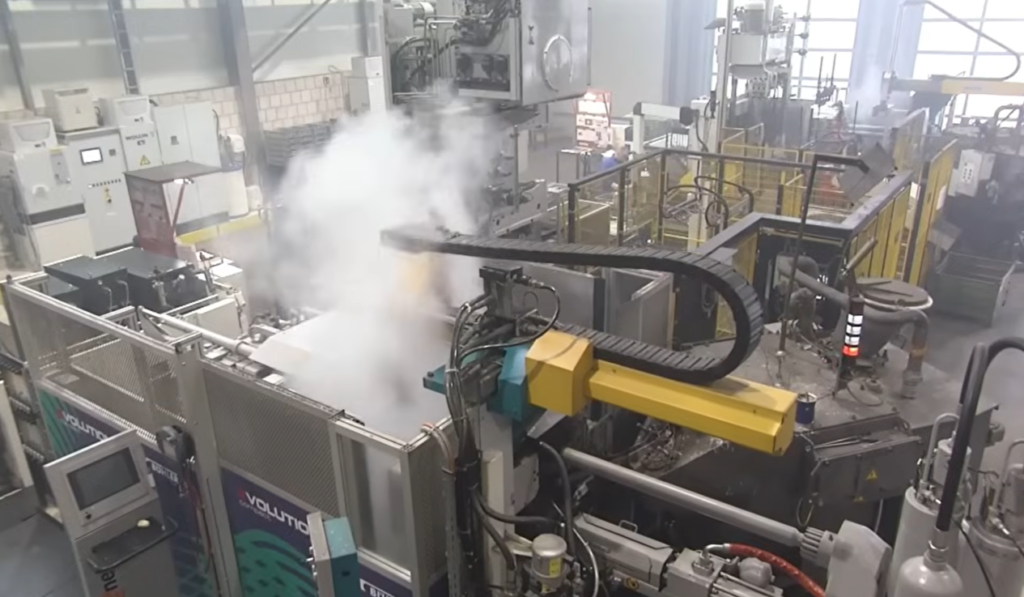
Tie bars require regular maintenance to prevent costly failures. Here is what to expect:
Daily Checks. Check nut tightness daily. Loose or worn nuts cause clamping force imbalance.
Regular Lubrication. Poor lubrication causes galling. Follow the manufacturer’s lubrication schedule.
Alignment Monitoring. Laser alignment checks detect misalignment early.
Non-Destructive Testing. Regular inspection for fatigue cracks, corrosion, or elongation is critical. Magnetic particle inspection or ultrasonic testing finds cracks before they cause failure.
Thread Inspection. Regularly check thread fit and adjust as needed.
Straightness Checks. Place the bar on V-blocks and measure runout with a dial gauge.
Re-tensioning. If elongation occurs, re-tension or replace the bars.
Questions to Ask Your Tie Bar Supplier
Before you purchase a die casting machine or replacement tie bars, ask these questions:
- “What material do you use for your tie bars, and what is the tensile strength?” – The answer should specify alloy steel grade and hardness.
- “What surface treatment do you apply?” – Nitriding and chrome plating both offer benefits. Ask which suits your production conditions.
- “What is the tie bar spacing, and will it accommodate my molds?” – Verify this before committing to a machine purchase.
- “What is your expected tie bar service life under my production conditions?” – Get a realistic estimate based on your cycle count and alloy.
- “Do you offer tie bar load monitoring or automatic tension adjustment?” – These features prevent unbalanced loads and extend service life.
- “What is your lead time for replacement tie bars?” – Plan ahead to avoid unplanned downtime.
- “Do you provide repair services for worn or damaged tie bars?” – Welding, turning, grinding, and hard chrome plating can restore worn bars.
Tie Bar Solutions
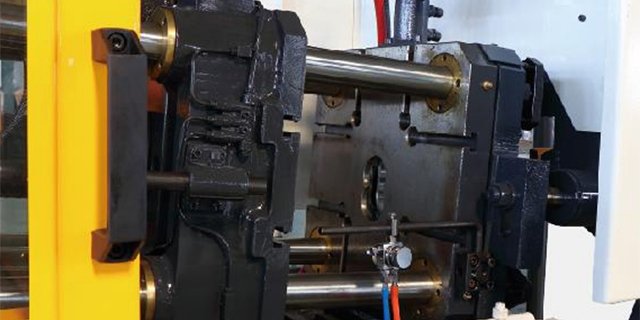
Haichen die casting machine has over a decade of experience manufacturing die casting machines and their critical components. Our tie bars are made from high-tensile alloy steel with precision manufacturing to ensure inherent strength and uniform load distribution.
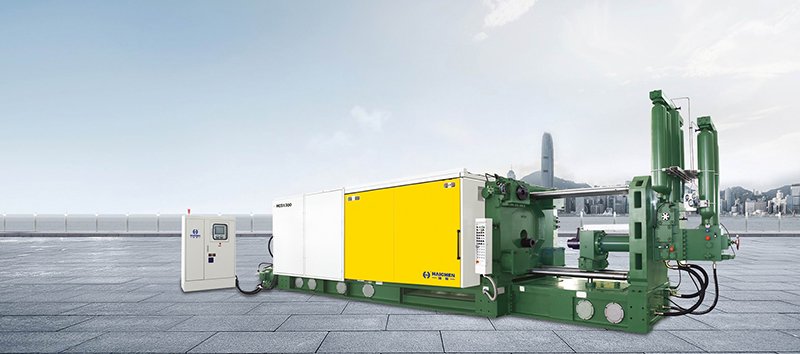
We offer both nitrided rods and traditional chrome-plated rods for different application requirements. We also provide guide rods, piston rods, and other components for press machines.
Our engineering team performs rigorous stability assessments on straight tie bars and analyzes both bending stress and tensile-compressive stress concurrently for bending tie rods.
Haichen produces both cold chamber and hot chamber die casting machines, and we support our customers with complete spare parts, maintenance guidance, and repair services.
Need help selecting the right die casting machine tie bars for your machine?


