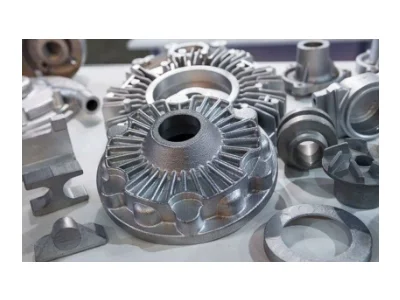
As professional factory manufacturers, we analyze the best die casting material for different projects. Compare top alloys for quality, cost and production efficiency.
Die casting material selection is the first key step to stable and profitable manufacturing.
As a professional die casting machine manufacturer, we serve hundreds of factories every year.
We notice most new producers struggle to pick proper alloys for their products.
For this reason, we break down all popular options in simple words. Besides, we share real factory-tested tips to help you make smart decisions fast.
Top Common Die Casting Materials on the Market
Aluminum Alloy
First of all, aluminum alloy ranks as the most widely used option right now. It balances strength, weight and affordability perfectly for most industrial parts.
It handles high temperature and daily wear without easy damage. To be honest, this alloy fits nearly all standard die casting machines and workflows.
It also supports complex part designs with stable forming effects.
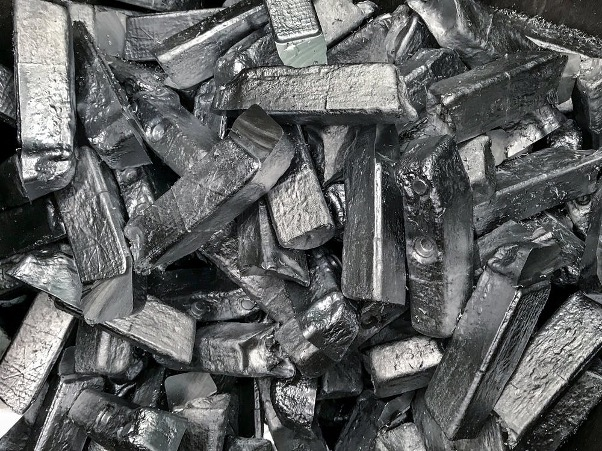
Zinc and Magnesium Alloy
In addition, zinc and magnesium alloys occupy specific niche markets.
Zinc alloy features low melting points and super high molding accuracy. It works great for small, detailed electronic accessories.
Meanwhile, magnesium alloy delivers ultra-light weight for portable devices.
Both materials expand the application range of standard die casting material choices for special production needs.

Key Factors to Judge Suitable Casting Materials
Product Usage Environment
Secondly, you must match materials with your product’s working environment. If your parts face high heat or heavy pressure, choose durable aluminum alloy.
If you make lightweight consumer electronics, magnesium alloy works better.
On the contrary, zinc alloy suits indoor and low-load parts perfectly. This simple rule avoids most quality risks in mass production.
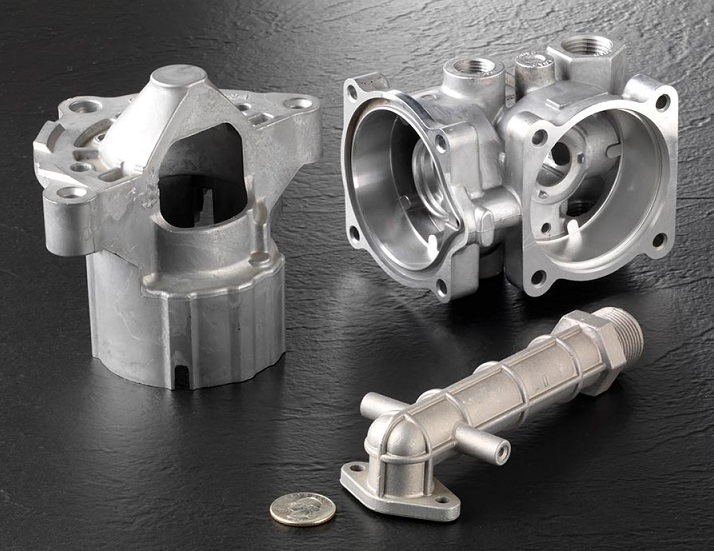
Production Batch and Budget
Furthermore, batch size and budget affect your final choice greatly.
Aluminum alloy has low unit cost and fits large-batch orders. It cuts long-term production spending obviously.
However, magnesium and zinc have higher material costs, so they suit small-batch and high-end customized products.
In short, always link your die casting material choice with your factory’s production plan.

Best Material Recommendations for Different Scenarios
Mass Industrial Production
Thirdly, we strongly recommend aluminum alloy for regular mass production.
It needs simple machine adjustment and basic daily maintenance. It keeps consistent part quality for thousands of continuous cycles.
Also, it lowers defect rates and improves overall factory output. For most ordinary industrial projects, it is the most reliable die casting material.
High-Precision Lightweight Production
Lastly, pick zinc or magnesium alloy for high-precision lightweight projects. Zinc creates ultra-smooth surfaces with zero fine burrs.
Magnesium reduces product weight to boost portability. Even though these alloys cost more, they add huge market competitiveness to high-end products.
To sum up, no single alloy fits all die casting projects perfectly. Aluminum suits general mass production, while zinc and magnesium serve specialized scenarios.
As experienced manufacturers, we always suggest factories prioritize practical demands over blind low-cost choices.
A tailored die casting material selection guarantees stable production and better profit margins.