
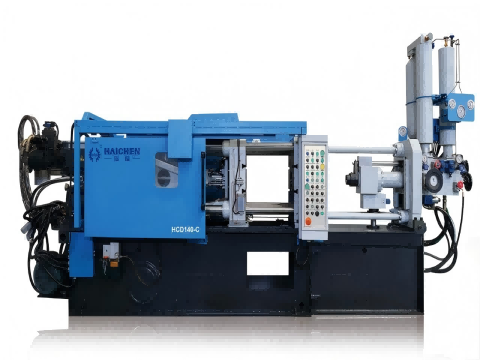
As professional equipment makers, we explain why cold chamber die casting is ideal for heavy alloy parts. Learn its benefits, use cases and production advantages.
Cold chamber die casting stands as a top production solution for heavy, high-strength metal components.

As a professional die casting machine manufacturer, we talk with countless factory owners every year.
We know many producers feel unsure about picking cold chamber or hot chamber systems.
For this reason, we list clear, practical advantages of this casting method. Meanwhile, we help you figure out whether it matches your factory’s production goals.
Unique Material Compatibility Advantages
Support High-Melting Alloys
First of all, cold chamber systems adapt to more alloy types than hot chamber machines.
They handle high-melting metals like aluminum, brass and copper alloys with ease.
To be honest, hot chamber equipment cannot process these tough materials at all.
This core feature makes die casting irreplaceable for most industrial metal part production.
Avoid Alloy Contamination
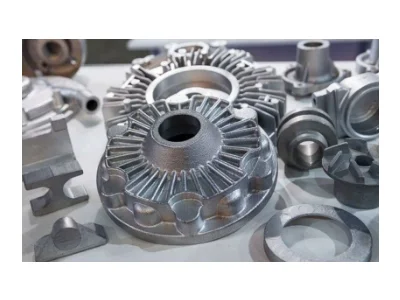
In addition, this casting method keeps alloy materials pure during production. It separates the melting chamber and injection system completely.
No machine alloy mixes with raw casting materials. As a result, finished parts have stable chemical composition and fewer internal defects. This benefit greatly improves overall product quality.
Outstanding Production Performance
Produce Large and Heavy Parts
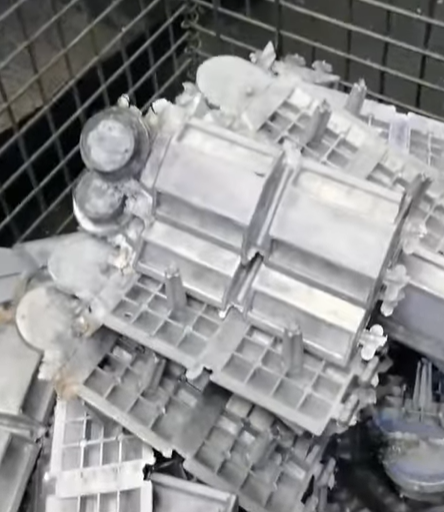
Secondly, cold chamber equipment delivers powerful injection pressure. It easily forms large, thick-wall and heavy die casting parts.
Common products include auto structural parts, mechanical shells and industrial hardware.
On the contrary, hot chamber machines only suit small, lightweight components. Thus, it covers wider industrial production demands.
Boost Part Structural Strength
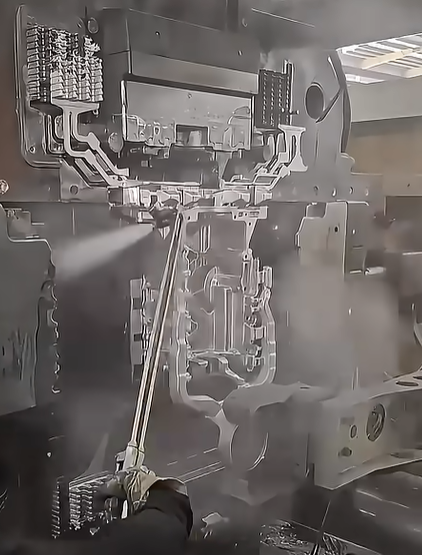
Furthermore, high-pressure molding makes parts more compact and durable. Products from cold chamber die casting have tight internal structures and strong anti-pressure ability.
They resist deformation and wear in harsh working environments. For industrial equipment and automotive parts, this strength advantage is extremely valuable.
Long-Term Factory Operational Value
Stable Mass Production Ability
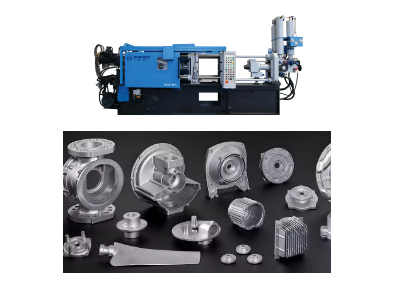
Thirdly, cold chamber die casting supports long-time continuous mass production. The independent injection structure reduces equipment wear and failure rates.
Factories can run the machine for dozens of hours steadily. What’s more, it keeps consistent part size and quality in every production batch.
Flexible Production Matching
Lastly, this system fits diversified production plans perfectly. It switches between different alloy materials and part sizes with simple parameter adjustments.
It does not need complex mold or structure changes. For factories with mixed product lines, brings great flexibility and economic benefits.
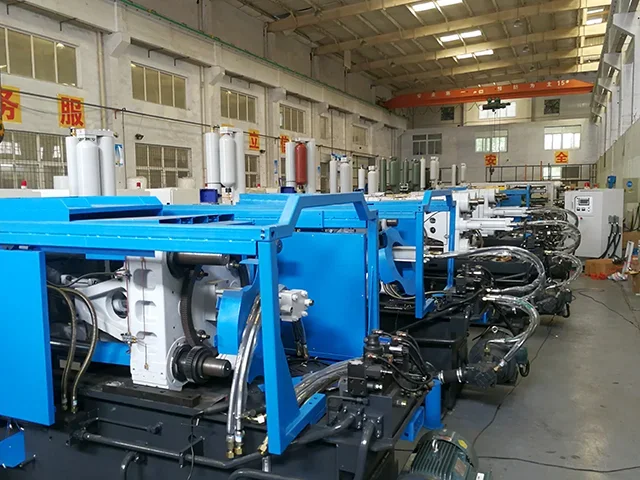
To sum up, cold chamber die casting excels in material compatibility, part performance and production stability. It is the best choice for factories that produce heavy, high-strength alloy components.
As professional manufacturers, we firmly recommend this solution for industrial and automotive casting projects.
A reasonable choice of cold chamber die casting equipment will steadily lift your factory’s product competitiveness and profit space.


