
Warning signs of thermocouple failure in die casting
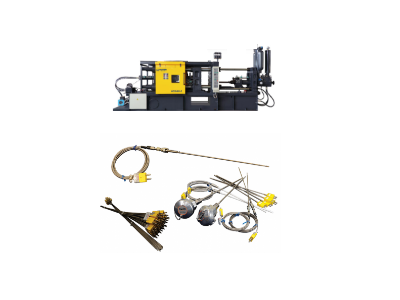
The warning signs of thermocouple failure during die casting mainly including: Warning signs of thermocouple failure in die casting, as a key temperature monitoring element in the die casting process. The failure of thermocouple will directly affect the accuracy of mold temperature control, product quality and equipment safety. Ever had a firing go sideways, even […]
Thermocouple Types for Die Casting
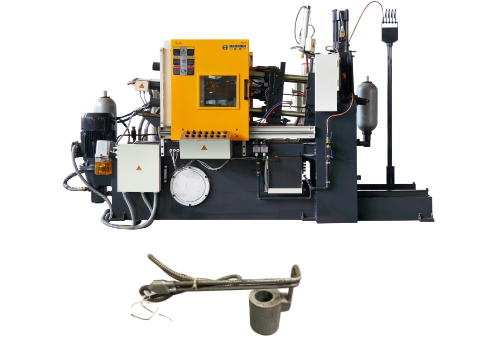
Thermocouple for Die Casting are temperature sensors specifically designed for high-temperature industrial processes. They can be made from a variety of materials, including metals such as stainless steel. However, ceramic materials are typically used in molten metal environments because they can withstand extreme thermal and chemical stresses. The casting process demands that it maintain durability […]
Critical Installation Locations of thermocouples in die casting
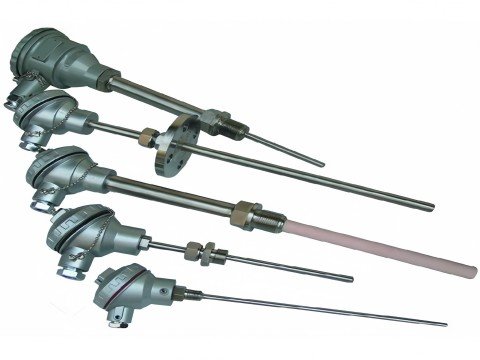
Thermocouples in die casting: Thermocouples play a crucial role in the die casting process, mainly used to monitor and control mold temperature, molten metal temperature, and interfacial heat transfer in real-time. To ensure casting quality, optimize process parameters, and improve production efficiency. Through real-time temperature monitoring in die casting, combined with cooling system optimization, thermocouples […]
What is the function of the thermocouple in die casting?
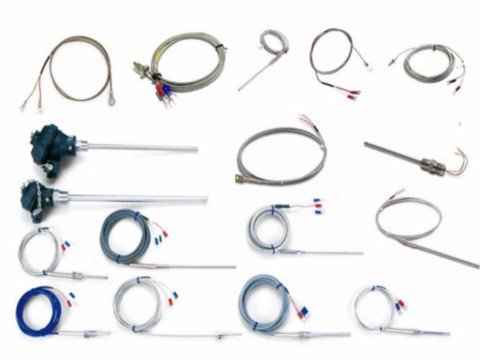
In die casting, a thermocouple is a temperature – sensing device that provides real – time temperature measurements, ensuring precise control and monitoring of the molten metal and mold temperatures to maintain production quality and efficiency. In the die – casting industry, precision and control are paramount for producing high – quality parts. One of […]
Thermocouple Life Extension Solutions in die casting
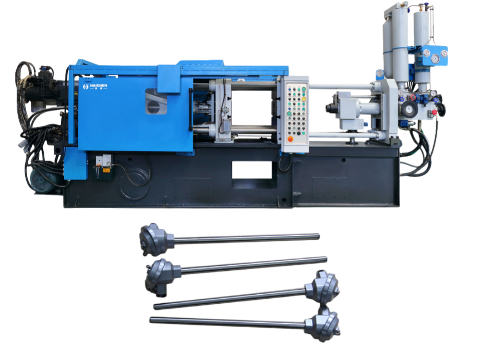
Thermocouple Life Extension Solutions in die casting includes optimize design and install, select material and protect measures, and so on. By optimizing the design and installation of thermocouples, selecting appropriate materials and protection measures. Moreover, properly managing temperature ranges and thermal cycles, improving cooling systems. Reducing the impact of mechanical stress, and performing regular maintenance. […]