
Energy saving solution of cooling chiller in die casting
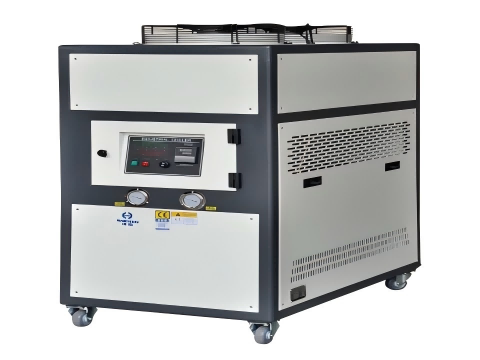
Energy saving solution of cooling chiller in die casting: Haichen has a complete line of heating and cooling equipment available to the Die Casting Industry. Die casting process cooling products include oil and water heating/cooling systems, refrigerated industrial portable and central chillers, evaporative cooling towers. As well as a full line of custom tank systems. […]
Technical Parameters Comparison of cooling chiller in die casting
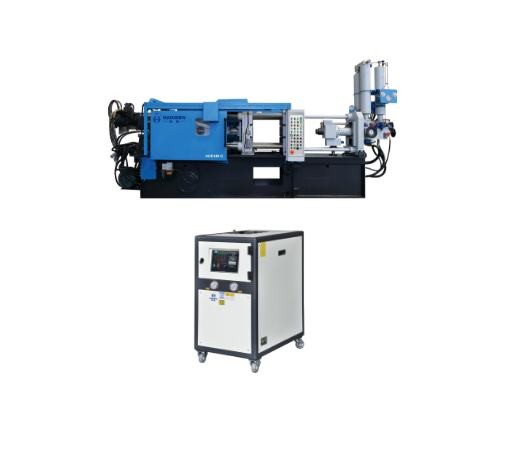
Technical Parameters Comparison of cooling chiller in die casting: Die casting is a high-efficiency metal forming process widely used in automotive, electronics, aerospace and other fields, but it generates a huge amount of heat during operation. The cooling chiller, as the core equipment to maintain the thermal balance of the die casting system. Its technical […]
Application of cooling chiller in die casting
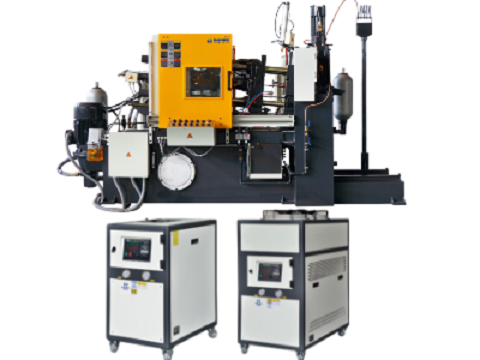
Application of cooling chiller in die casting can control mold temperature, improve product quality, extend mold life and optimize production efficiency. A chiller is a mechanical device, it uses for refrigeration. Its main function is to remove heat from a system through a refrigeration cycle and discharge it to the external environment. Chillers widely use […]
Die casting Cooling chiller price
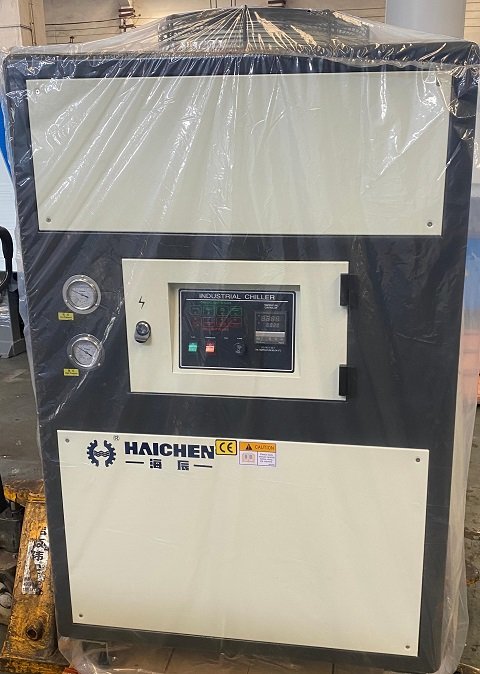
Chiller prices correlate directly with die casting machine tonnage or cooling capacity. Larger machines generate more heat and require more powerful chillers. As a general rule, adding 10 tons to your die casting machine may raise chiller costs by 10,000–15,000 yuan (approximately $1,400–$2,100). Price impact: Higher tonnage means higher chiller cost. Always match your chiller capacity […]
How to choose cooling chiller in die casting
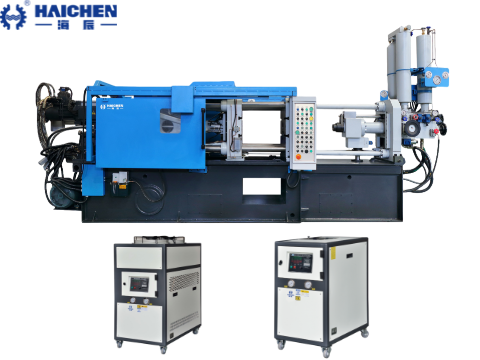
How to choose cooling chiller in die casting: Consider cooling capacity, temperature precision, and machine compatibility. In die casting, mold temperature control directly affects product quality, productivity, and efficiency. A properly sized cooling chiller maintains the mold at the optimal temperature (180-250°C for aluminum alloys), reducing defects, extending mold life, and cutting cycle time. This […]