To solve deformation during die casting by optimize design, control process parameters, balance cooling, and reasonable ejection can reduce it significantly.
To solve deformation during die casting process need start from many aspects. Including optimizing mold design, adjusting process parameters and improving material treatment.
- Optimize Mold Design
- Control Cooling Rate
- Adjust Process Parameters
- Material Selection
- Post-Casting Treatments
- Quality Control and Inspection
- Maintenance
Optimize Mold Design
Uniform Wall Thickness
Ensure the mold design has uniform wall thickness to avoid uneven cooling and shrinkage.
Proper Venting
Adequate venting helps in reducing gas entrapment, which can cause deformation.
Draft Angles
Incorporate appropriate draft angles to facilitate easy ejection of the part without causing deformation.
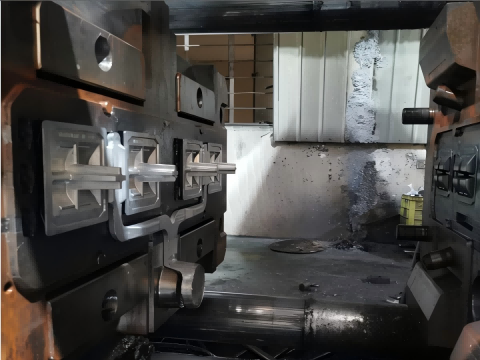
Control Cooling Rate
Uniform Cooling
Ensure that the cooling system is designed to provide uniform cooling across the entire part. Uneven cooling can lead to warping and deformation.
Cooling Channels
Optimize the placement and size of cooling channels to maintain consistent temperatures.
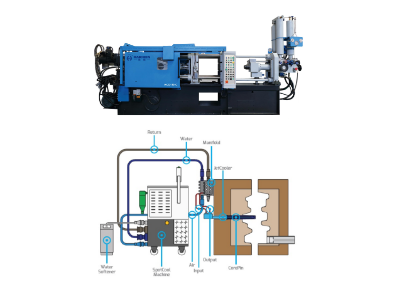
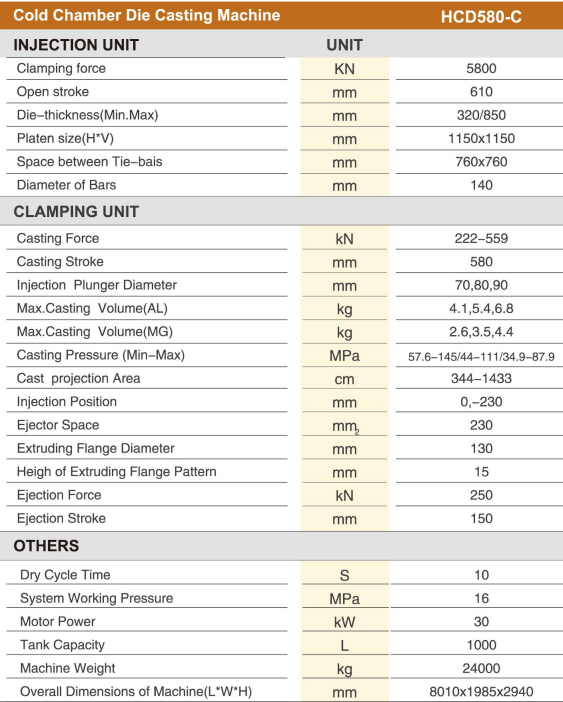
Adjust Process Parameters
Injection Pressure and Speed
Optimize the injection pressure and speed to ensure the molten metal fills the mold completely without causing excessive stress.
Temperature Control
Maintain consistent temperatures for both the molten metal and the mold. Too high or too low temperatures can lead to deformation.
Holding Pressure and Time
Proper holding pressure and time can help in reducing shrinkage and deformation.
Material Selection
Alloy Composition
Choose an alloy with good fluidity and minimal shrinkage characteristics.
Preheating
Preheating the mold can help in reducing thermal shock and subsequent deformation.
Post-Casting Treatments
Stress Relieving
Perform stress-relieving heat treatments to reduce internal stresses that can cause deformation.
Straightening
Mechanical straightening can be used to correct any deformation that occurs during casting.
Quality Control and Inspection
Dimensional Checks
Regularly inspect the dimensions of the cast parts to identify any deformation early in the process.
Process Monitoring
Use sensors and monitoring systems to keep track of process parameters and make real-time adjustments.
Maintenance
Regular Maintenance
Ensure that the die casting machine and mold are regularly maintained to prevent issues that could lead to deformation.
Mold Surface Treatment
Apply surface treatments to the mold to improve its durability and performance.
By addressing these factors, you can significantly reduce the risk of deformation during the die casting process and improve the overall quality of the cast parts.
Haichen die casting machine supplier
Haichen is a well-known manufacturer of die casting machines, based in China. We offer a range of die casting machines, including cold chamber die casting machines and hot chamber die casting machines, catering to various industries such as automotive, electronics, and home appliances.
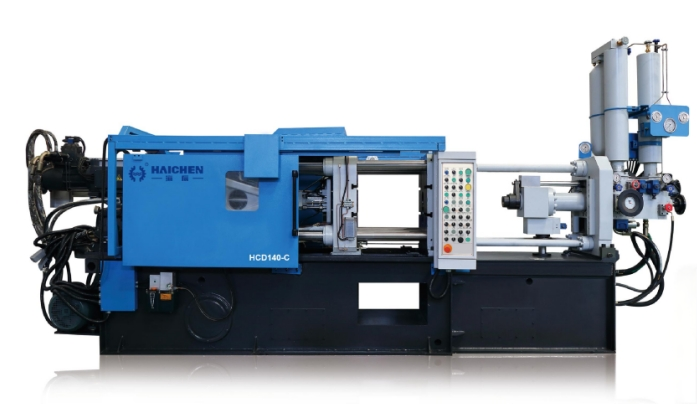
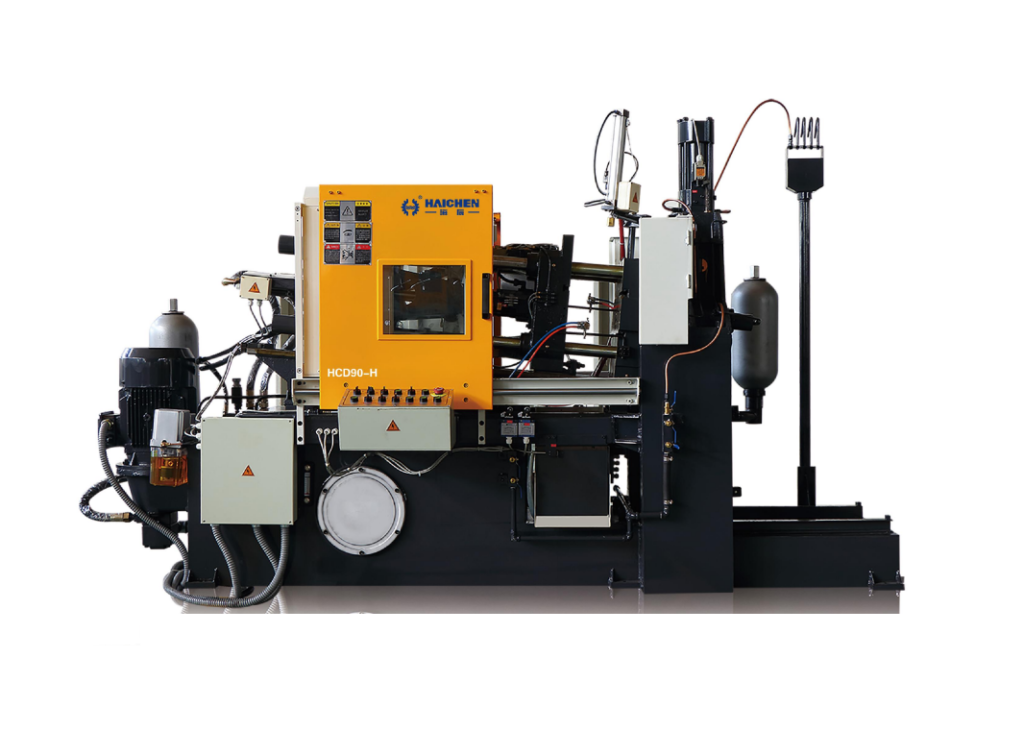
Key Features of Haichen Die Casting Machines:
High Precision: Haichen machines are known for their high precision and stability, which are crucial for producing high-quality castings.
Energy Efficiency: Many of their machines are designed to be energy-efficient, reducing operational costs.
Advanced Control Systems: Equipped with advanced PLC control systems for better process control and automation.
Durability: Built with high-quality materials to ensure long service life and reliability.
Versatility: Capable of handling a wide range of materials, including aluminum, zinc, and magnesium alloys.


