The injection process in die casting involves injecting molten metal into a mold cavity at high speed and under high pressure, where it rapidly cools and solidifies to form the desired part.
In the die casting production process, the injection stage is crucial. Operators need to quickly inject molten metal into the mold cavity to form a part of a predetermined shape.
This process can stably produce parts with complex structures and fine details with minimal dimensional errors by precisely controlling parameters such as injection speed, pressure (usually tens to hundreds of MPa) and cooling rate.
The injection process is the heartbeat of high-pressure die casting (HPDC). It decides whether molten metal becomes a flawless die casting part or a scrap piece full of pores and cold shuts. Below we explain the injection sequence and show how HAICHEN die-cast molds are engineered to turn that split-second pulse of metal into thousands of precision die casting parts every hour.
Fundamental Principles of Injection
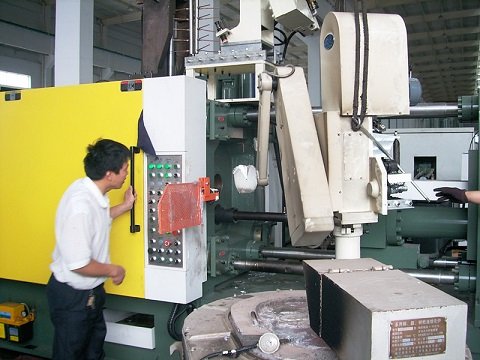
The core of the injection molding process is not difficult to understand: We press heated molten metal (such as aluminum, zinc or magnesium alloy) into a precisely designed mold cavity under high pressure. This pressure is usually between 10 and 210 MPa – it is this high pressure that allows the molten metal to fill the mold quickly, reduce internal bubbles, and perfectly replicate the complex shape of the mold. The whole process is inseparable from two key parts:
- Injection unit: responsible for melting the metal and pushing it into the mold;
- Clamping unit: locks the mold tightly during injection to prevent the high pressure from opening the mold.
HAICHEN’s Real-Time Injection Monitoring Example
A manufacturer producing aluminum automotive transmission housings struggled with inconsistent injection pressure, causing porosity variation between batches. HAICHEN installed its closed‑loop injection control system with high‑speed sensors (sampling at 1,000 Hz). The system detected a 5% pressure drop during the fast‑fill stage due to a worn plunger tip. An automatic alert was triggered, and the machine adjusted the hydraulic valve opening to compensate in real time. Within the same shift, the operator replaced the plunger tip based on the system’s recommendation. Porosity rates dropped from 4.2% to 1.1%, and scrap was reduced by 73%. This case demonstrates how HAICHEN’s injection process intelligence turns sensor data into actionable maintenance and quality control.
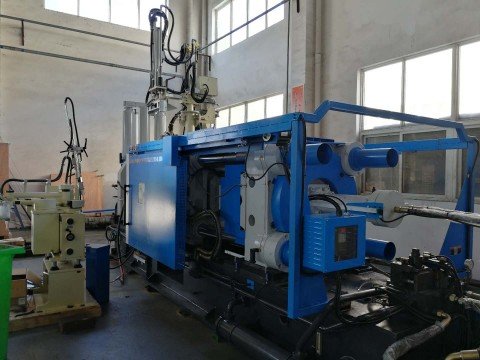
The Injection Process in Die Casting
- Preparation of the Mold
- Melting the Metal
- Injection of Molten Metal
- Cooling and Solidification
- Ejection of the Part
Preparation of the Mold
Before the injection process officially begins, the operator needs to carefully prepare the mold. The specific steps include: first spraying a layer of release agent evenly in the mold cavity. This special coating can not only prevent the molten metal from sticking to the mold. But also help to smoothly remove the finished product later. After spraying, the mold must be completely closed and locked to ensure that it can withstand the huge impact of subsequent high-pressure injection.
Melting the Metal
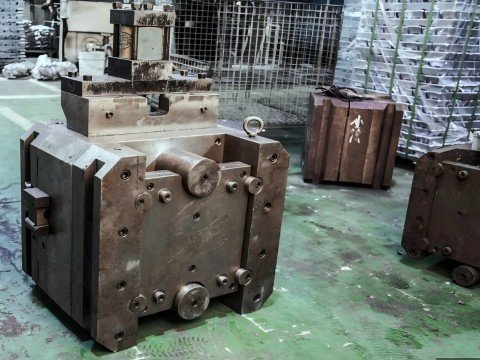
During the metal melting stage of the die casting process, we usually choose materials. Such as aluminum alloys, zinc alloys or magnesium alloys. These metals are widely used because of their high strength, good formability and excellent liquid flow. When operating, the solid metal raw material is first placed in a furnace and heated until it reaches a specific melting point to completely transform it into a liquid state. In order to ensure that the melt composition is uniform and has a stable filling capacity, the furnace temperature will be precisely controlled to avoid impurities or temperature fluctuations.
Injection of Molten Metal
- Filling: Molten metal is injected via cold/hot chamber systems:
- Cold Chamber: External melting for high-melting-point alloys (e.g., Al, Cu).
- Hot Chamber: Integrated melting for low-melting-point metals (e.g., Zn, Mg) .
- Pressure Control: Injection occurs in 4 stages (slow → first fast → second fast → intensification), optimizing flow stability and reducing turbulence .
Cooling and Solidification
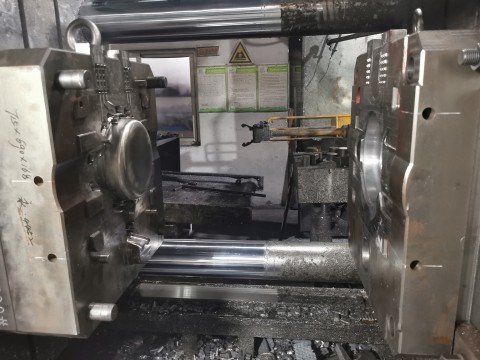
When the molten metal fills the mold cavity, it immediately enters the cooling and solidification stage. Operators need to precisely control the cooling rate – this is critical, because too fast cooling may cause shrinkage, while too slow cooling is prone to pores. Nowadays, advanced equipment like HAICHEN monitors the mold temperature in real time through a multi-channel cooling water circulation system, allowing thick-walled and thin-walled areas to cool synchronously. This intelligent temperature control not only shortens the production cycle by 15-20%, but also keeps the quality of each batch of castings stable.
Ejection of the Part
After the metal is completely cooled and formed, the mold will automatically open and the machine will push out the finished parts. At this time, the workers will pick up the parts and perform some subsequent processing, such as trimming off excess edges or polishing the surface to make the parts look cleaner and smoother.
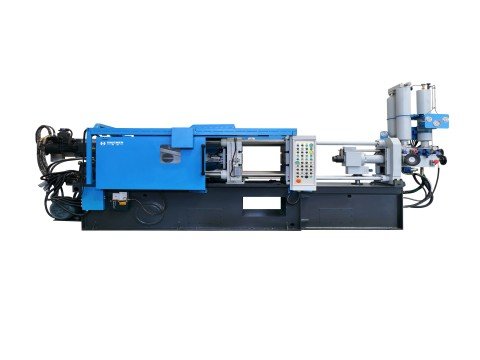
Critical Parameters Influencing Quality
- Injection Speed
- Injection Pressure
- Temperature Control
Injection Speed
- Optimal Range: 15–70 m/s at the gate.
- Effects:
- High speed improves fluidity for thin walls but risks gas entrapment.
- Low speed causes cold shuts or incomplete filling.
- Magnetic grating rulers enable real-time speed adjustments with ±0.14mm axis alignment accuracy.
Injection Pressure
- Impact: Higher pressure (up to 175 MPa) enhances density and surface finish but increases mold wear.
- 4-stage pressure control ensures linear acceleration, minimizing turbulence in aluminum fills.
Temperature Control
- Metal Temperature: Low temperatures cause flow defects; high temperatures induce shrinkage. E.g., Al alloys optimal at 660–720°C.
- Mold Temperature: Regulated via cooling systems to avoid thermal stress.
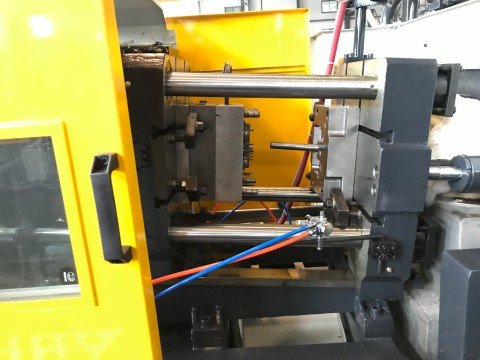
Common Defects & Solutions
| Defect | Cause | Solution |
| Porosity | Gas entrapment | Optimize vents, use vacuum systems |
| Cold Shuts | Low metal temperature/speed | Increase injection speed, preheat mold |
| Flash | Excessive pressure/clamping force | Maintain machine precision, reduce “hammer effect” |
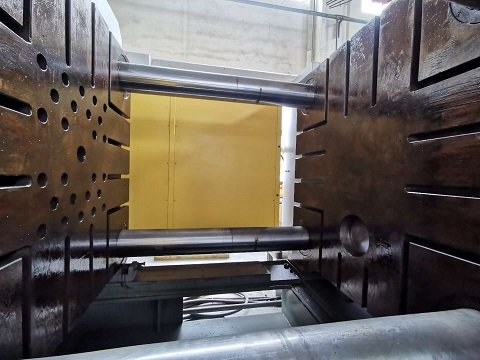
HAICHEN’s Injection Process Expertise in Cold & Hot Chamber Machines
With years of specialization in die casting, the design core of HAICHEN’s cold and hot chamber machines is to control every aspect of the injection process—from metal transfer to cavity fill—with extreme stability and precision, enabling customers to achieve high-quality and efficient production.
- HAICHEN Cold Chamber: High-Pressure Solutions for High-Temperature Alloys
- HAICHEN Hot Chamber: High-Speed & Efficient Solutions for Zn & Mg Alloys
- The Core of HAICHEN’s Injection Unit: Closed-Loop Control & Process Database

HAICHEN Cold Chamber: High-Pressure Solutions for High-Temperature Alloys
HAICHEN cold chamber machines are designed for common casting alloy types with higher melting points, such as aluminum, magnesium, and copper alloys. The core strength of their injection system lies in delivering extremely high, stable injection force and precise shot profile control.
- Application Case: A customer producing new energy vehicle motor housings faced challenges with uneven wall thickness and strict leak-tightness requirements. Using an HAICHEN 880-ton cold chamber machine, they utilized its multi-stage servo injection system to set a precise “slow-fast-intensification” profile. The slow phase vented air from the shot sleeve; the high-speed phase ensured rapid filling of the complex cavity; the final intensification phase applied up to 140MPa pressure for effective shrinkage compensation. This solution reduced internal porosity in the castings by over 60%, meeting the customer’s X-ray inspection standards.
- Technical Focus: The large-capacity accumulator and high-response servo valves in HAICHEN cold chamber machines ensure stable high pressure is delivered within milliseconds, which is critical for producing dense, large aluminum structural parts. The specialized fit design between the plunger tip and shot sleeve minimizes pressure loss and flash formation.
HAICHEN Hot Chamber: High-Speed & Efficient Solutions for Zn & Mg Alloys
HAICHEN hot chamber machines are optimized for injection speed and cycle efficiency with low-melting-point common casting alloy types like zinc and magnesium. The gooseneck submerged in the furnace allows for instantaneous metal transfer and injection.
- Application Case: A hardware manufacturer uses an HAICHEN 90-ton hot chamber machine to produce zinc alloy door handles. The machine’s high injection speed (fill time <30ms) ensures perfect replication of fine textures. Meanwhile, its integrated furnace and nozzle temperature control system maintains zinc temperature within ±5°C, preventing flow marks or cold shuts caused by temperature variation, increasing the surface plating yield to 99%.
- Technical Focus: HAICHEN hot chamber machines emphasize corrosion and thermal fatigue resistance in key components like the gooseneck and nozzle, extending service life. The fast cycling (dry cycle time can be under 2 seconds) and stable injection performance are key to meeting the high-volume, low-cost production demands of industries like hardware and electronic components.
The Core of HAICHEN’s Injection Unit: Closed-Loop Control & Process Database
Both cold and hot chamber models feature an advanced closed-loop real-time control system at the heart of their injection units. This system uses high-precision sensors to continuously monitor and instantly correct any deviation between actual and set values for injection speed and pressure.
- Process Assurance: This control method ensures highly repeatable shot profiles for every cycle, fundamentally reducing product variation caused by hydraulic fluctuations or external interference. For precision parts made from common casting alloy types, this consistency is the foundation for stable batch-to-batch quality.
- Data Empowerment: The system can record and store parameters from successful runs, creating a “golden parameter” database. When running the same mold again, parameters can be recalled with one click, greatly simplifying mold changeover setup, reducing production preparation time, and effectively preventing manual setting errors.
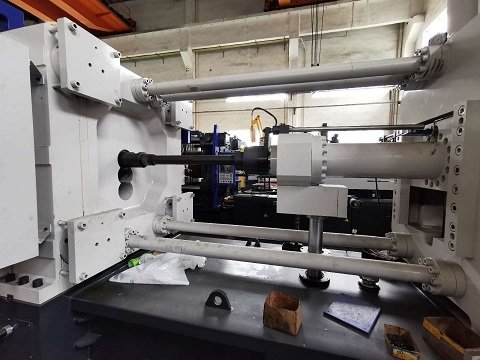
HAICHEN’s Technical Advantages
HAICHEN‘s core technological advantages are reflected in three aspects:
- Precision manufacturing capability
- Intelligent production system
- Flexible production adaptability
- HAICHEN Die-Cast Mold Solutions – Built for Precision Injection
Precision manufacturing capability
We use professional analysis software (FEA) to optimize the equipment structure design to ensure that the stress distribution of each machine is in the best state. This rigorous process control allows the equipment to remain stable during long-term high-load operation and effectively extend its service life.
Intelligent production system
Equipped with Siemens intelligent control system, it supports 12 language operation interfaces. The system can monitor the operating status of the equipment in real time, predict maintenance needs through IoT technology, and greatly reduce the risk of unexpected downtime. For example, when producing precision parts for automotive customers, the system warns of bearing loss in advance, avoiding the shutdown of the entire line.
Flexible production adaptability
Our equipment can handle various molds within the specification of 1180×1180 mm, and can stably produce both small parts of 0.3 kg and heavy parts of 32 kg. This flexibility enables us to manufacture wafer carriers for semiconductor customers while meeting the production needs of battery shells for new energy companies.
HAICHEN Die-Cast Mold Solutions – Built for Precision Injection
HAICHEN designs and manufactures die-cast molds that are “machine-native”: engineered together with our cold- and hot-chamber lines to extract maximum repeatability from the injection event.
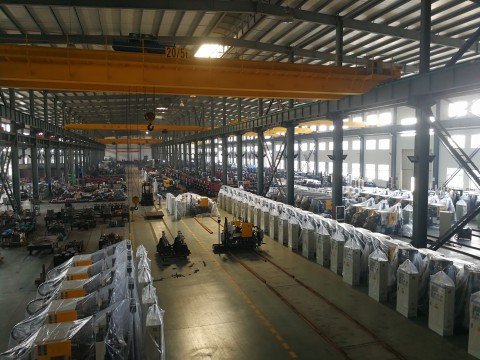
The injection process is where molten metal becomes a precision die casting part. A die cast mold engineered for rapid fill, perfect venting and thermal balance is as critical as the machine itself.
As die casting advances toward sustainable and digital manufacturing methods, enhanced injection techniques continue to be essential for future production systems.


