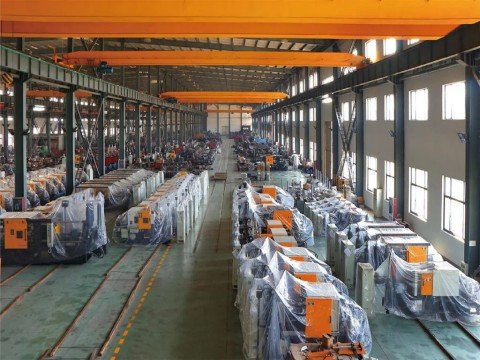
Lightweight metals die casting guide for aluminum and magnesium. Learn weight reduction benefits for performance, cost, and efficiency.
Lightweight metals like aluminum and magnesium are transforming the die casting industry. A 10% reduction in part weight can improve fuel economy by 6-8% in automotive applications or extend electric vehicle range by a similar margin. In aerospace, every kilogram saved reduces annual fuel costs by thousands of dollars.
This guide covers the key benefits of lightweight metals in die casting — performance, design flexibility, cost savings, and sustainability — with real production data from HAICHEN installations.
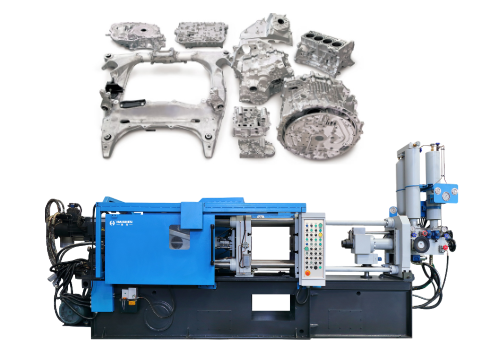
What Are Lightweight Metals in Die Casting?
In the die casting industry, the use of metallic lightweight materials has revolutionized the production of high-quality, efficient, and durable components. These materials, such as aluminum and magnesium alloys, offer a range of benefits that make them ideal for modern manufacturing processes. By understanding these benefits, manufacturers can optimize their production processes, reduce costs, and enhance the quality and performance of their products.
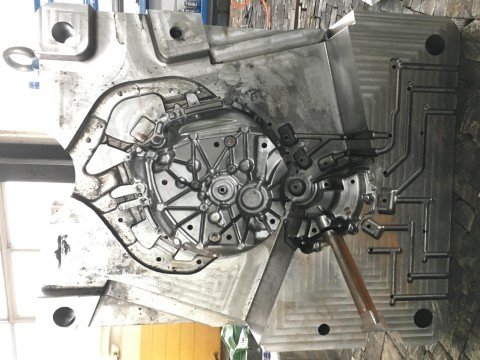
Performance Benefits
Weight Reduction
Lightweight materials significantly reduce component weight compared to traditional materials like steel. In automotive and aerospace applications, this weight reduction directly translates to lower fuel consumption and reduced emissions. For every 10% reduction in vehicle weight, fuel economy improves by approximately 6-8%.
High Strength-to-Weight Ratio
Despite their low density, materials such as aluminum and magnesium alloys achieve strength levels comparable to many steels. Aluminum alloys like A380 offer tensile strength up to 320 MPa, while magnesium alloys provide excellent specific strength for weight-critical applications. This combination enables structural applications that would be impossible with heavier materials.
Superior Mechanical Properties
These materials exhibit excellent fatigue resistance, impact absorption, and dimensional stability. In automotive crash structures, aluminum alloys can be engineered to absorb impact energy predictably, enhancing passenger safety while maintaining lightweight construction.
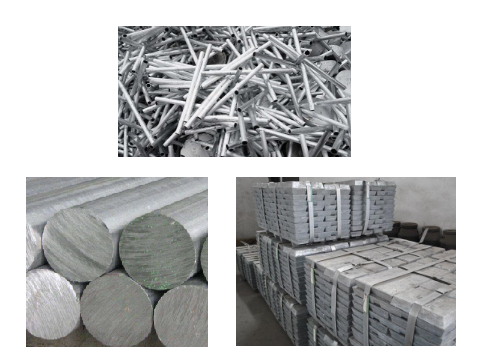
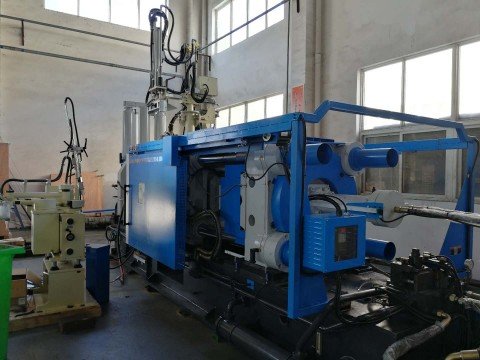
Lightweight Metals Performance Comparison
Aluminum and magnesium are the two most common lightweight metals in die casting. Here is how they compare to traditional steel:
| Property | Aluminum | Magnesium | Steel |
|---|---|---|---|
| Density (g/cm³) | 2.7 | 1.8 | 7.8 |
| Weight vs steel | 35% | 23% | 100% |
| Typical tensile strength (MPa) | 300-450 | 250-300 | 400-800 |
| Specific strength | Good | Excellent | Moderate |
| Thermal conductivity (W/m·K) | 150-200 | 70-100 | 45-50 |
| Corrosion resistance | Good | Poor (requires coating) | Poor (requires coating) |
| Recyclability (%) | 95+ | 95+ | 80+ |
| Relative material cost | Moderate | Higher | Low |
Design and Manufacturing Benefits
Design Flexibility
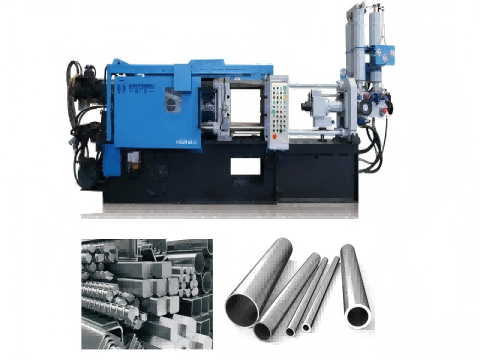
Lightweight metals can be formed into complex geometries through die casting, enabling designs that consolidate multiple parts into single components. This reduces assembly requirements and improves structural integrity. Thin-wall capabilities allow wall thicknesses down to 0.8mm for small components and 2.0mm for larger parts.
Material Integration
These materials can be combined with other materials to create hybrid structures. Aluminum and magnesium castings readily accept inserts, threaded components, and joining elements, facilitating multi-material design approaches.
Surface Finish Quality
Die-cast lightweight metals achieve surface finishes of Ra 0.8-3.2μm directly from the mold, reducing or eliminating secondary finishing operations. This is particularly valuable for consumer electronics and automotive exterior applications.
Lightweight Metals vs Traditional Steel
When deciding between lightweight metals and steel, consider these differences:
| Factor | Lightweight Metals (Al/Mg) | Traditional Steel |
|---|---|---|
| Weight savings | 65-77% lighter | Baseline |
| Fuel/energy savings | 6-8% per 10% weight reduction | None |
| Tooling cost | Higher | Lower |
| Cycle time | Faster | Slower |
| Corrosion resistance | Better (Al) / Needs coating (Mg) | Needs coating |
| Recyclability | 95%+ with no property loss | 80%+ with property loss |
| Best use case | Weight-critical, high-volume | Heavy-duty, low-volume |
Key insight: While lightweight metals have higher upfront material and tooling costs, the lifecycle savings from fuel efficiency, longer component life, and recyclability typically offset the initial premium within 1-3 years for automotive applications.
Economic Benefits
Lifecycle Cost Reduction
Although some lightweight metals have higher initial material costs, the overall lifecycle savings are significant. Reduced fuel consumption, lower maintenance requirements, and extended component life offset initial premiums. For commercial vehicles, the payback period for aluminum components is typically 1-3 years.
Manufacturing Efficiency
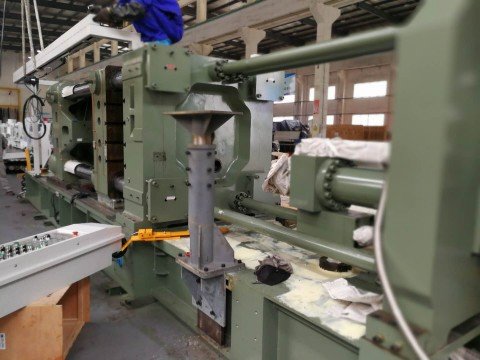
High-pressure die casting enables production rates of 50-200 cycles per hour for aluminum components, with minimal material waste. Near-net-shape production reduces machining requirements by 50-80% compared to forged or machined alternatives.
Market Competitiveness
Companies utilizing lightweight materials offer products with superior performance characteristics, enabling premium positioning and access to markets with strict weight and efficiency requirements.
Environmental Benefits
Recyclability
Aluminum and magnesium are highly recyclable without loss of properties. Recycling aluminum requires only 5% of the energy needed for primary production. Die casting processes generate scrap that can be immediately recycled in-house, achieving material utilization rates above 95%.
Emission Reduction
Weight reduction directly reduces operational emissions. A 100kg weight reduction in a passenger car reduces CO₂ emissions by approximately 9g/km. For electric vehicles, weight reduction extends range directly, addressing the primary limitation of current battery technology.
Energy-Efficient Production
Modern die casting machines incorporate energy-efficient hydraulic systems and servo drives. Combined with the low embodied energy of recycled materials, this makes lightweight metal components an environmentally responsible choice.
Application and Innovation Benefits
Thermal Management
Aluminum’s high thermal conductivity (150-200 W/m·K) makes it ideal for heat exchangers, LED lighting, and power electronics. Die-cast heat sinks achieve complex fin geometries that maximize surface area for heat dissipation.
Electrical Conductivity
Certain aluminum alloys offer electrical conductivity suitable for motor housings, connectors, and electromagnetic shielding applications, combining structural and functional requirements in single components.
Emerging Applications
Lightweight metals enable new technologies including:
Aerospace structural parts demanding weight reduction and fatigue resistance
- Electric vehicle battery housings requiring crash protection and thermal management
- 5G infrastructure components needing dimensional stability and heat dissipation
- Aerospace structural parts demanding weight reduction and fatigue resistance
HAICHEN Support for Lightweight Metal Processing
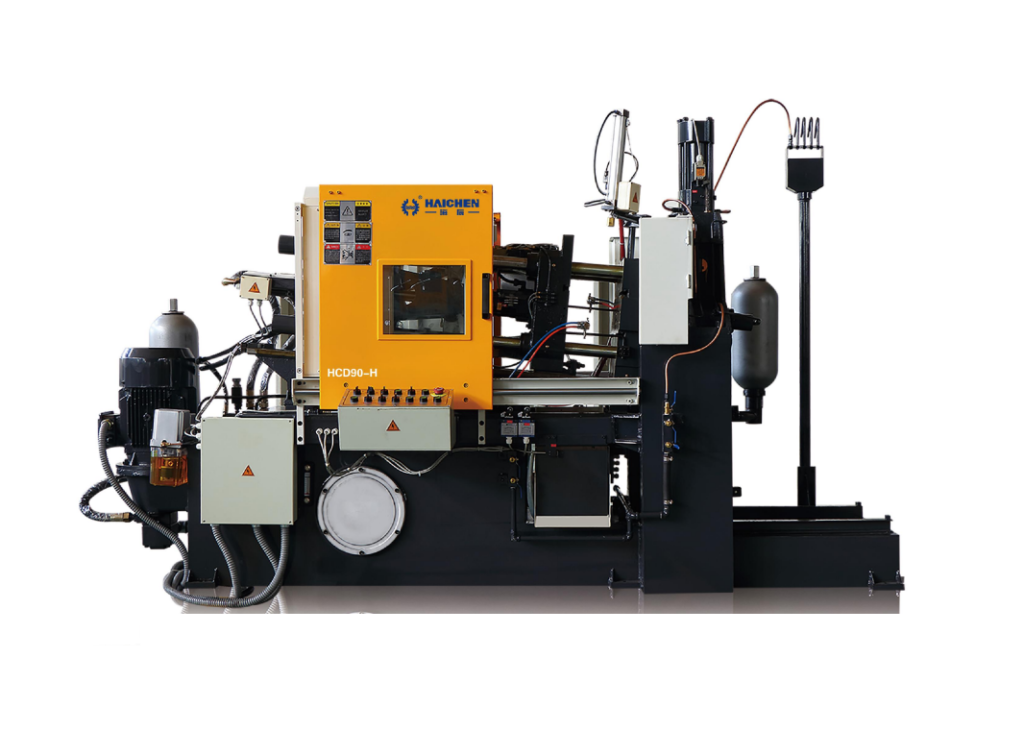
HAICHEN die casting machines are specifically designed for lightweight alloy processing. The HDC series cold chamber die casting machines offer clamping forces ranging from 25 to 2080 tons, meeting the requirements for aluminum and magnesium alloy die casting.
Key capabilities for lightweight metals:
- Multi-stage injection control with vacuum assistance
- Integrated vacuum systems for porosity reduction
- Mold temperature control for uniform solidification
- Real-time shot monitoring for process consistency
Real production example – Electric vehicle battery casing:
A manufacturer producing aluminum battery casings for electric vehicles faced challenges with wall thickness consistency, leakage rates, and cycle time.
HAICHEN deployed an 880-ton cold chamber machine with vacuum assistance and optimized injection profiles. Results:
- Wall thickness uniformity within ±0.15mm
- Leakage test pass rate exceeded 98%
- Cycle time reduced by 25%
- Yield rate improved to 97.5%
Frequently Asked Questions
Q: What are lightweight metals?
A: Lightweight metals are structural metals with significantly lower density than steel. Aluminum and magnesium are the most common in die casting, offering weight savings of 65-77% compared to steel components.
Q: How much weight can I save by switching from steel to aluminum?
A: Aluminum is about 35% the weight of steel for the same volume. Depending on the design, weight savings typically range from 40-60% after design optimization.
Q: Is magnesium lighter than aluminum?
A: Yes — magnesium is about 33% lighter than aluminum and 75% lighter than steel, making it the lightest structural metal available.
Q: Are lightweight metals more expensive than steel?
A: Yes, upfront material and tooling costs are higher. However, lifecycle savings from fuel efficiency, longer component life, and recyclability typically offset the premium within 1-3 years.
Q: Can lightweight metals be recycled?
A: Yes — aluminum and magnesium are 95%+ recyclable with no loss of mechanical properties. Recycling aluminum requires only 5% of the energy needed for primary production.
Q: What are the main applications for lightweight metals in die casting?
A: Automotive (engine blocks, structural parts, battery housings), aerospace (aircraft components), consumer electronics (laptop frames, smartphone housings), and 5G infrastructure (heat sinks, housings).
Q: Which lightweight metal should I choose — aluminum or magnesium?
A: Choose aluminum for good corrosion resistance and balanced cost-performance. Choose magnesium when weight reduction is the absolute priority and you can apply protective coatings. HAICHEN engineers can help you decide based on your specific application.