Gooseneck die casting types, selection, maintenance, troubleshooting for hot chamber machines. Learn how to choose and extend gooseneck life.
The gooseneck is the heart of any hot chamber die casting machine. It transfers molten metal from the furnace to the die cavity — and if it fails, your entire production line stops.
At HAICHEN, we have manufactured and serviced goosenecks for over a decade. This guide covers everything you need to know: 4 types of gooseneck, how to choose the right one, material selection (forged vs cast), maintenance tips, and common troubleshooting — all from our real-world experience.
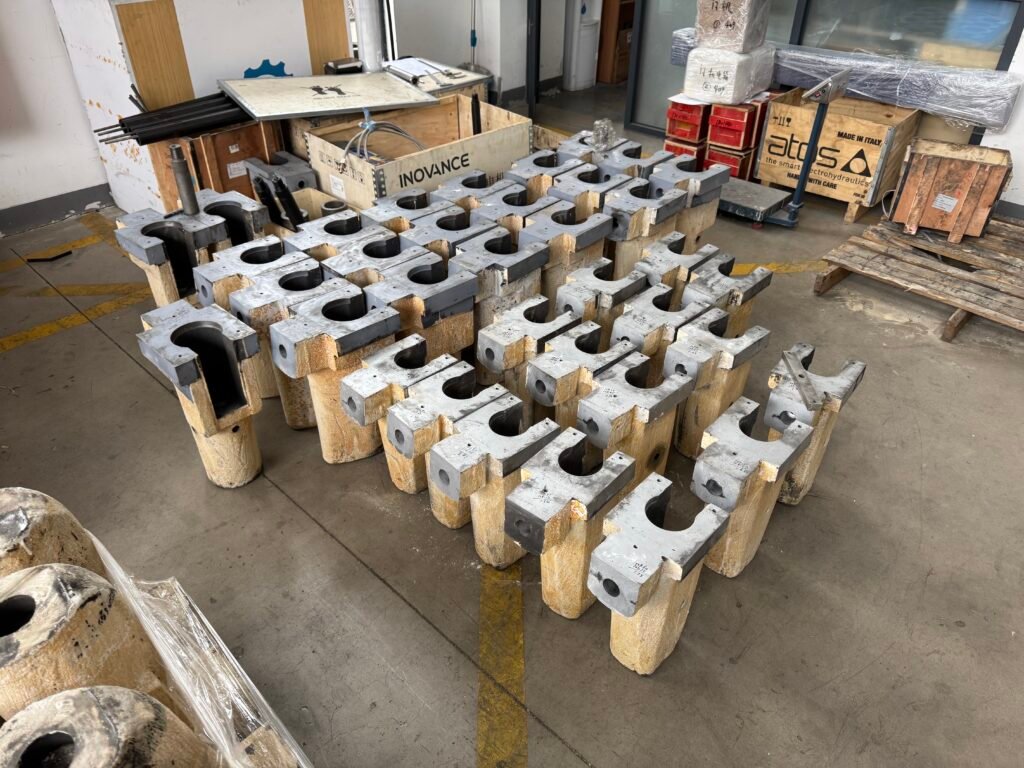
What Is a Gooseneck in Die Casting?
The gooseneck is the component that transfers molten metal from the injection system to the die cavity in hot chamber die casting machines. It is submerged in a bath of molten metal, and a hydraulic or pneumatic plunger forces the metal up through the gooseneck and into the mold. Hot chamber die casting is often called gooseneck casting because of this distinctive component.

4 Types of Gooseneck in Die Casting
Not all goosenecks are created equal. Here are the four common types and their best applications:
| Type | Best For | Key Advantage | Limitation |
|---|---|---|---|
| Straight | Simple, accessible die cavities | Low cost, easy maintenance | Limited flow control |
| Curved | Complex geometries, better flow control | Reduces turbulence | Higher manufacturing cost |
| Swan-neck (S-shaped) | High-precision, intricate dies | Superior flow control, fewer defects | Most expensive |
| Adjustable | Multiple die designs on same machine | Versatile, reduces inventory | Requires more setup time |
For high-precision and complex-shaped castings, a swan-neck type gooseneck is recommended. Depending on process requirements, goosenecks can also be custom-designed for specific applications.
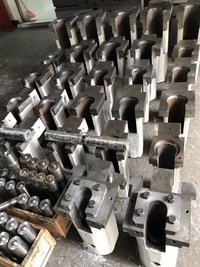
How to Choose the Right Gooseneck
Choosing the right gooseneck depends on three factors:
- Alloy type Zinc and magnesium alloys work best with hot chamber gooseneck systems. For aluminum or brass, you need cold chamber.
- Part complexity Simple parts straight gooseneck. Complex, high-precision parts swan-neck.
- Production volume High-volume runs benefit from swan-neck or adjustable designs that reduce defects and changeover time.
For most zinc die casting applications, a curved or swan-neck gooseneck offers the best balance of flow control and defect reduction. For multi-product lines, an adjustable gooseneck saves on mold changeover costs.
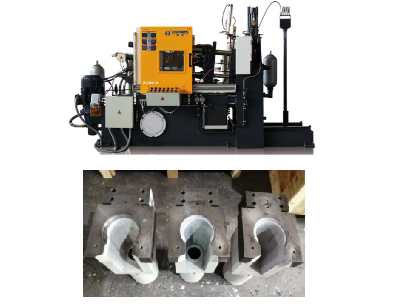
Gooseneck Material Selection Forged vs Cast Steel
The material of your gooseneck directly impacts its lifespan and performance.
- Forged steel goosenecks offer higher material homogeneity and better fatigue resistance. They are ideal for high-pressure, high-cycle applications.
- Cast steel goosenecks have more even wall thickness transitions, making them less vulnerable to stress cracks. They are better suited for complex shapes and lower-pressure applications.
At HAICHEN, we recommend forged steel for most zinc die casting applications due to its superior durability under repeated thermal cycling. For magnesium alloys, cast steel with specialized coatings may be more cost-effective.
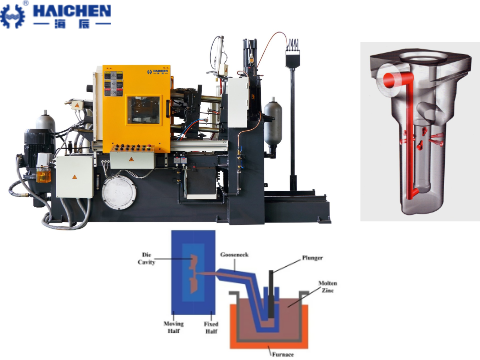
Gooseneck Maintenance and Wear Prevention
Goosenecks are constantly exposed to molten metal at high temperatures. Over time, erosion, corrosion, and thermal fatigue take their toll. Here is how to extend gooseneck life:
- Timely replacement Even with perfect maintenance, goosenecks wear out. HAICHEN offers gooseneck repair and replacement services to minimize downtime.
- Daily cleaning Remove debris, oil, and metal shavings after each shift. Use isopropyl alcohol and a soft cloth.
- Proper lubrication Use high-quality lubricants specifically designed for die casting applications.
- Temperature monitoring Install temperature sensors to track heat levels in real time and prevent overheating.
- Regular inspection Check for internal corrosion, erosion, and cracks. Early detection prevents catastrophic failure.
Common Gooseneck Problems and Troubleshooting
Even the best goosenecks encounter problems. Here are the most common issues and how to fix them:
| Problem | Cause | Solution |
|---|---|---|
| Injection plunger stuck in gooseneck | Metal solidification, wear | Wait for equipment to cool, try rotating the hammer. If stuck, replace cylinder |
| Incomplete filling (short shots) | Insufficient pressure or temperature | Increase injection pressure, raise nozzle temperature |
| Excessive flash | Worn gooseneck or misalignment | Inspect and replace worn components, realign system |
| Porosity in castings | Air entrapment, turbulence | Switch to swan-neck design for better flow control |
| Gooseneck cracking | Thermal fatigue, stress | Use forged steel material, reduce rapid temperature changes |
Gooseneck Specifications What to Look For
When selecting a gooseneck for your hot chamber machine, pay attention to these specifications:
- Machine tonnage compatibility Common gooseneck hot chamber machines range from 15 tons to 200 tons. Match your gooseneck to your machine’s clamping force.
- Material Forged vs cast steel (see above).
- Nozzle diameter Affects flow rate and filling speed.
- Gooseneck length and curvature Determines metal flow path and turbulence.
- Coating Some goosenecks feature corrosion-resistant coatings for aggressive alloys.

Frequently Asked Questions
Q: What is a gooseneck in die casting?
A: The gooseneck is the component that transfers molten metal from the furnace to the die cavity in hot chamber die casting machines.
Q: Which type of gooseneck is best for zinc die casting?
A: For most zinc applications, a curved or swan-neck gooseneck offers the best flow control and defect reduction.
Q: How long does a gooseneck typically last?
A: Lifespan varies by alloy, temperature, and maintenance. With proper care, a forged steel gooseneck can last 500,000+ cycles.
Q: Can I use the same gooseneck for different alloys?
A: Not recommended. Different alloys have different corrosiveness and temperature requirements. Use dedicated goosenecks for each alloy.
Q: Does HAICHEN offer gooseneck replacement and repair?
A: Yes. HAICHEN provides gooseneck repair, replacement, and maintenance services for all major hot chamber machine brands.


