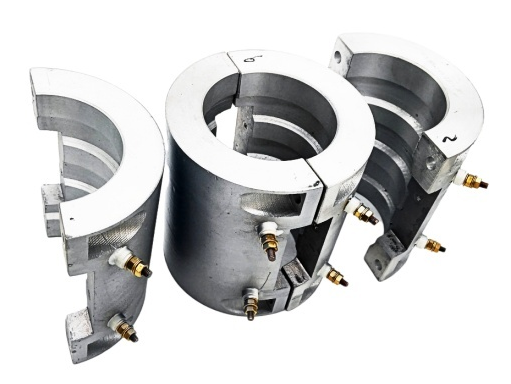
Die casting heating bush solutions serve as essential thermal control tools for modern die casting production. First of all, they stabilize molten metal temperature during the injection process.
Moreover, they fix common casting defects caused by uneven heat distribution.
In addition, they help factories boost production efficiency and cut long-term manufacturing costs.
This article covers core functions, key benefits and practical application tips of die casting heating bush systems for industrial users.
Core Functions of Heating Bush
Stable Melt Temperature Control
To start with, die casting heating bushes maintain consistent heat for sprue sleeves and injection channels.
When molten alloy flows through the feeding system, it loses heat quickly in ambient environments.
Meanwhile, standard heating bush solutions deliver uniform and continuous heat supply.
For this reason, they keep aluminum, zinc and magnesium alloy melt at optimal flowing temperature. Thus, molten metal fills mold cavities smoothly without premature solidification.
Reduce Heat Loss in Production
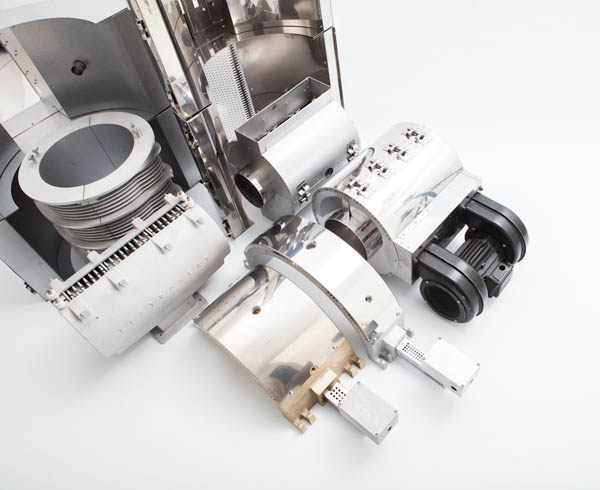
Next, professional heating bush solutions minimize unnecessary thermal loss during mass casting. Traditional die casting setups easily generate temperature gaps in the injection pipeline.
On the contrary, upgraded heating bush structures wrap heating parts tightly.
Furthermore, they support fast preheating and real-time temperature compensation.
As a result, the whole die casting process maintains stable thermal balance all the time.
Key Benefits of Heating Bush Solutions
Improve Die Casting Part Quality
First and foremost, reliable heating bush systems greatly lower product defect rates.
Unstable temperature often causes porosity, shrinkage holes and flow marks on finished parts.
In particular, cold metal flow leads to incomplete mold filling and poor surface finish.
Besides, precise heat control keeps consistent alloy fluidity in every production cycle. Therefore, manufacturers gain uniform, high-precision die casting parts with fewer rejects.
Boost Production Efficiency
Apart from quality improvement, heating bush solutions shorten overall production cycle time. Uniform heating speeds up mold preheating and metal filling speed.
Meanwhile, it reduces repeated production trials and defective part rework. In turn, die casting machines finish more product batches within the same working hours.
Correspondingly, workshop output and production capacity see obvious growth.
Extend Machine Service Life
Furthermore, standard heating bush use protects core die casting equipment and molds.
Frequent temperature swings create severe thermal stress on mold steel and sprue components.
But stable heating reduces thermal fatigue and structural wear effectively. At the same time, it cuts frequent equipment maintenance and part replacement frequency.
So factories save plenty of operational and maintenance costs annually.
Practical Application & Selection Tips
Match Alloy Types and Processes
For one thing, users need to pick targeted heating bush solutions for different alloys. High-melting aluminum alloys need high-power heating bush models.
Meanwhile, low-temperature zinc and magnesium die casting fits standard heating bush specifications. If users choose mismatched heating equipment, temperature control accuracy drops sharply.
For this reason, model matching becomes the key to stable production performance.
Follow Standard Daily Operation
For another thing, scientific daily use prolongs heating bush service life. First, operators complete full preheating before formal die casting production.
Then, they avoid sudden temperature rises or drops during machine operation. Additionally, regular surface cleaning prevents dust and scale accumulation.
In brief, simple daily maintenance keeps heating bush systems stable and efficient for long-term use.
All in all, die casting heating bush solutions bring comprehensive upgrades for die casting workshops.
They stabilize melt temperature, improve finished product quality and raise overall production efficiency. Meanwhile, they reduce equipment loss and manufacturing costs effectively.
As precision die casting demands keep rising, professional heating bush solutions become standard configuration for modern aluminum and zinc alloy die casting production lines.


