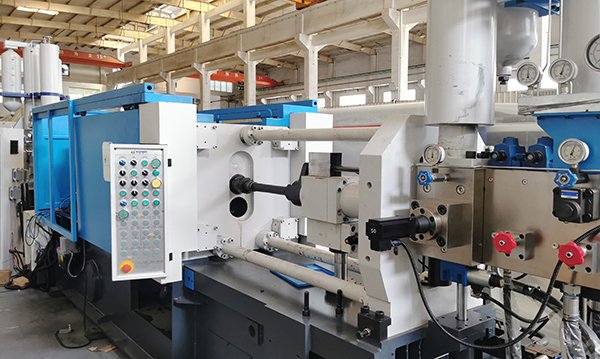
A hydraulic directional control valve work by selectively allowing or blocking the flow of hydraulic fluid to control the direction of fluid flow within a hydraulic system, enabling precise control over the movement of actuators such as cylinders and motors.
In the world of die casting, hydraulic systems play a crucial role in controlling the movement and pressure of molten metal. These systems ensure that the molten metal is injected into the mold with precision and consistency, which is vital for producing high-quality parts.
A key component of these systems is the hydraulic directional control valve. This valve manages the flow and direction of hydraulic fluid, enabling precise control of hydraulic actuators such as cylinders and motors. Understanding how this valve works is essential for maintaining efficient and precise operations.
This guide covers the complete hydraulic directional control valve — function, components, spool configurations, applications in die casting, and maintenance — with real production insights from HAICHEN installations.

What Is a Hydraulic Directional Control Valve?
A hydraulic directional control valve is designed to control the direction of hydraulic fluid flow within a system. It allows fluid to be directed to different parts of the machine, enabling precise control over the movement of components such as the injection unit and mold clamping system.
By controlling the fluid’s flow path, these valves determine where energy will be transferred within the system, enabling tasks like lifting, turning, or pushing.
Components of the Valve
Valve Body
The valve body is the main structure that houses the internal components of the valve. It is typically made from durable materials to withstand high-pressure hydraulic fluid.
Spool or Slider
The spool or slider is a movable part within the valve body that controls the flow of hydraulic fluid. By shifting its position, the spool can open or close passages, directing fluid to different parts of the system.
Ports
Ports are openings in the valve body that connect to the hydraulic lines. They allow hydraulic fluid to enter and exit the valve, facilitating the flow of fluid to various components of the machine.
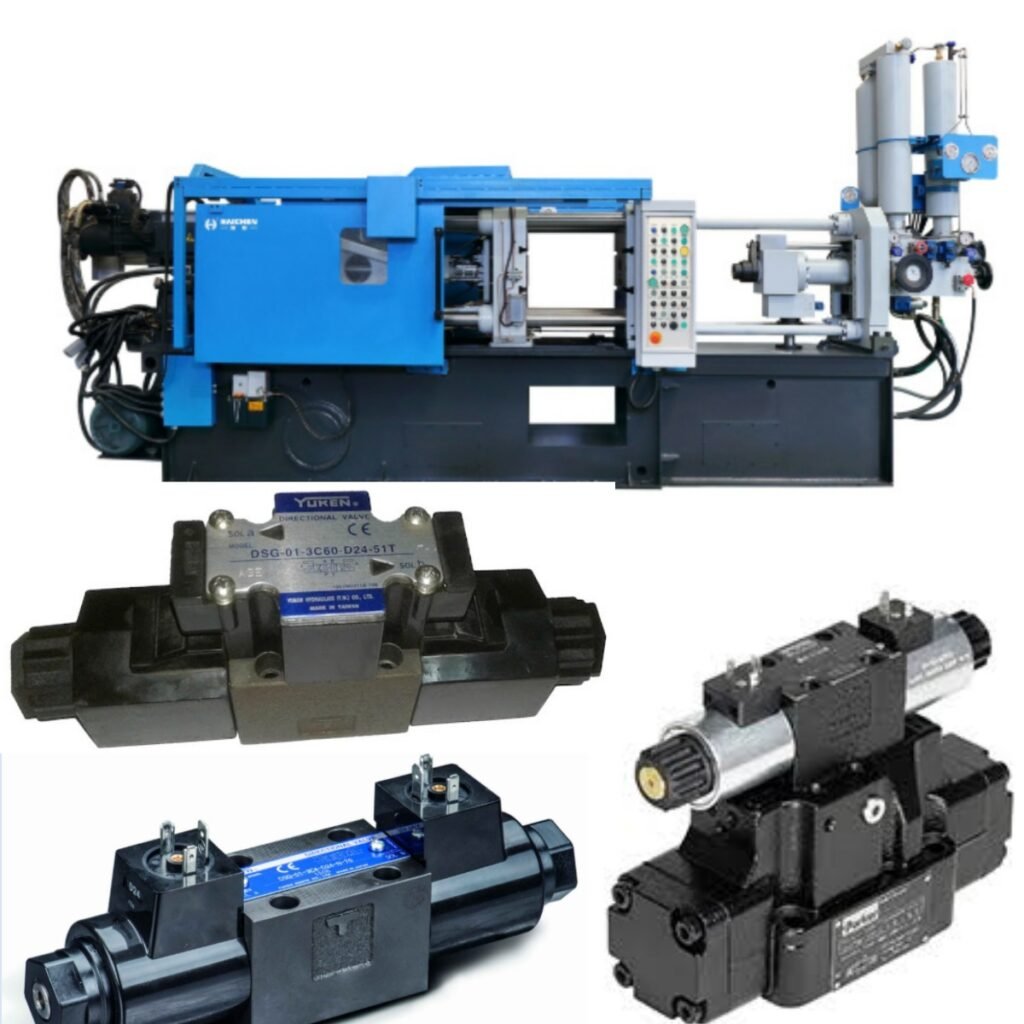
How a Hydraulic Directional Control Valve Works
The hydraulic system moves the control valve’s spool or slider when activated. This movement opens or closes specific passages within the valve body, allowing hydraulic fluid to flow in a particular direction. For example, in a die casting machine, the valve can direct fluid to the injection unit to initiate the injection process or to the mold clamping system to secure the mold during casting.
Spool Configurations in Die Casting
Directional control valves are classified by the number of ports and positions. The following configurations are most common in die casting machines:
| Spool Type | Ports / Positions | Typical Application in Die Casting |
|---|---|---|
| 4/3 | 4-way, 3-position | Clamping cylinder control (neutral position holds pressure) |
| 4/2 | 4-way, 2-position | Fast injection valve (simple extend/retract) |
| 3/2 | 3-way, 2-position | Ejector pin control or core puller circuits |
| 2/2 | 2-way, 2-position | On/off control for accumulator discharge or safety circuits |
The 4/3 valve with closed-center spool is standard for clamping units, maintaining holding force during solidification. For injection, high-response 4/2 cartridge valves are used to rapidly open flow from accumulators.
Response time is critical for high-speed injection. High-response directional valves achieve opening and closing within 15-30 milliseconds, enabling precise control of multi-stage injection profiles. Fast response prevents pressure spikes and reduces casting defects such as cold shuts and porosity.
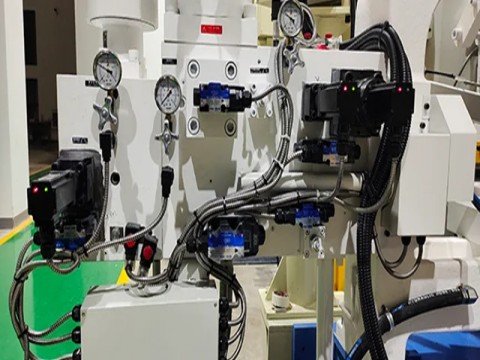
Hydraulic Directional Control Valve Work
HAICHEN Technology Practice
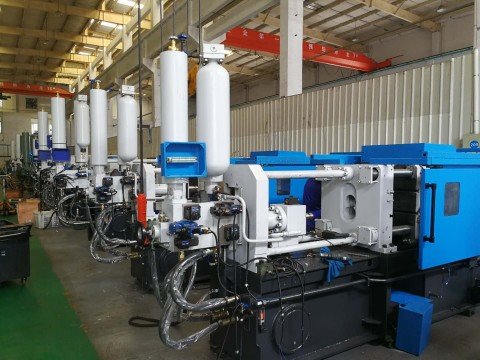
HAICHEN die-casting machines utilize high-performance electro-hydraulic proportional directional valves integrated into their intelligent hydraulic system.
In actual operation, HAICHEN’s control system sends precise electrical signals to drive the valve core to a predetermined position. This action precisely opens or closes the oil circuits to actuators such as the mold clamping cylinder and the injection cylinder.
For example, during high-speed injection, HAICHEN’s system ensures extremely rapid response and switching of the directional valve, precisely guiding the high-pressure oil flow to the injection cylinder, thereby achieving smooth and high-speed filling of molten metal. HAICHEN’s intelligent control system monitors and fine-tunes the valve core position in real time, ensuring repeatability and process stability.
HAICHEN machines integrate proportional directional valves with real-time spool position feedback, enabling closed-loop control of injection speed and intensification pressure. This is crucial for producing die-cast parts such as aluminum pots with extremely high surface quality requirements.
Applications in Die Casting
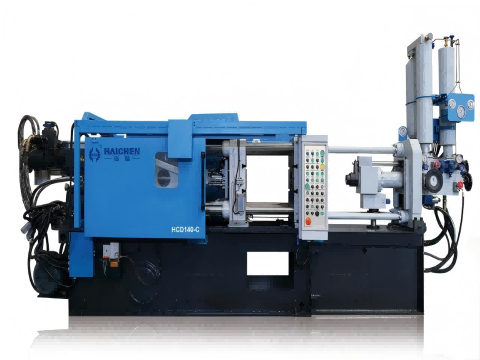
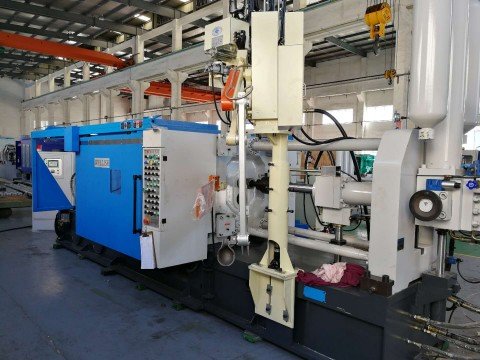
In die-casting machines, hydraulic directional control valves are used to control the movement of the plunger, the mold, and other hydraulic actuators.
During the injection phase, the valve directs hydraulic fluid to the plunger cylinder, causing the plunger to move and inject molten metal into the mold. During mold opening and closing operations, the valve controls the flow of fluid to the mold-actuating cylinders, ensuring precise and synchronized movement.
Common Issues and Maintenance
Proper maintenance of hydraulic directional control valves is essential for reliable operation. Common issues include:
| Issue | Likely Cause | Recommended Solution |
|---|---|---|
| Valve fails to shift | Low pilot pressure, solenoid failure, contamination | Check pilot supply, test solenoid, clean or replace valve |
| Spool sticking | Contaminated hydraulic fluid, worn seals | Flush system, replace seals, filter fluid |
| Internal leakage | Worn spool or body, damaged seals | Replace valve or worn components |
| Slow response | Low system pressure, clogged pilot lines | Check pump output, clean pilot lines |
Regular inspection and cleaning of valve components help prevent contamination and wear. Timely replacement of worn parts ensures optimal performance.
Frequently Asked Questions
Q: What is a hydraulic directional control valve?
A: A hydraulic directional control valve is a device that controls the direction of hydraulic fluid flow within a system, enabling precise control of actuators such as cylinders and motors.
Q: How does a hydraulic directional control valve work?
A: It uses a movable spool inside the valve body. Shifting the spool opens or closes specific passages, directing fluid to different parts of the system.
Q: What is the most common valve configuration in die casting?
A: The 4-way, 3-position (4/3) valve is the most common configuration in die casting machines. It connects the pump to one actuator port while connecting the other actuator port to the tank, with the neutral position blocking all flow.
Q: Why is response time important for directional valves in die casting?
A: Response time directly affects injection speed control and casting quality. High-response valves (15-30ms) prevent pressure spikes and reduce defects such as cold shuts and porosity.
Q: What are the main types of directional control valves used in die casting?
A: Common types include manual/solenoid valves, proportional directional valves, and servo valves. Each offers different levels of precision and response speed.
Q: How does HAICHEN integrate directional valves into its machines?
A: HAICHEN machines use proportional directional valves with real-time spool position feedback, enabling closed-loop control of injection speed and intensification pressure.