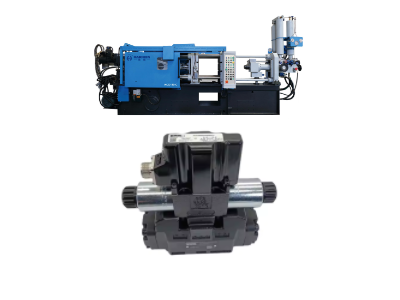
Hydraulic valve energy reduction is essential for improving die casting machine efficiency. The hydraulic system is the core power unit of a die casting machine, accounting for 30-50% of total operating energy consumption. Hydraulic valves, as key components controlling flow, pressure, and direction of hydraulic fluid, directly affect overall energy efficiency.
This guide covers practical hydraulic valve energy reduction methods — including valve design optimization, load-sensing systems, servo drives, and regular maintenance — with real production data from HAICHEN installations.

Optimize Valve Design
Use of Efficient Valve Types
Different types of hydraulic valves have varying levels of energy efficiency. For example, proportional valves can offer more precise control with lower energy consumption compared to traditional on-off valves. HAICHEN’s machines are designed with advanced proportional valves that provide optimal performance while minimizing energy use.
Valve Sizing
Ensuring that the hydraulic valves are correctly sized for the application is essential. Over-sized valves can lead to unnecessary energy consumption, while under-sized valves may not provide sufficient flow. Proper sizing ensures that the valve operates efficiently within its designed parameters.
Implement Advanced Control Systems
Digital Controls
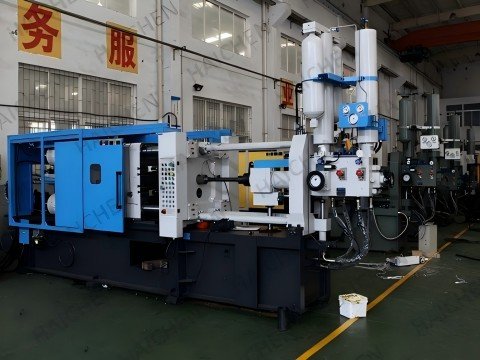
Advanced digital control systems can significantly reduce energy consumption by providing precise control over valve operation. These systems can adjust the valve’s position and flow rate in real-time, ensuring that only the necessary amount of energy is used. HAICHEN’s machines are equipped with state-of-the-art digital controls that enhance energy efficiency.
Load-Sensing Systems
Load-sensing hydraulic systems adjust the amount of hydraulic fluid delivered based on the actual load requirements. This reduces energy consumption by avoiding over-pressurization and unnecessary fluid flow. HAICHEN’s machines feature load-sensing systems that optimize energy use during operation. flow. HAICHEN’s machines feature load – sensing systems that optimize energy use during operation.
Regular Maintenance
Cleaning and Inspection
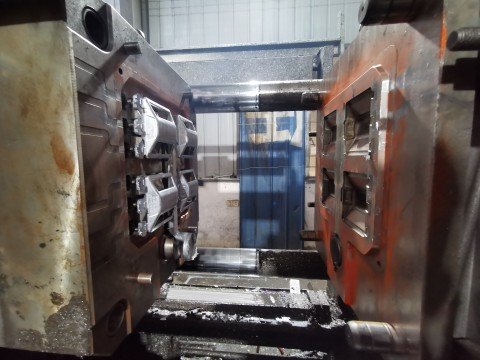
Regular cleaning and inspection of hydraulic valves can help identify and address issues that may lead to energy inefficiencies. Contaminated or worn-out valves can increase energy consumption and reduce performance. HAICHEN recommends a routine maintenance schedule to ensure valves are operating at peak efficiency.
Lubrication
Proper lubrication of hydraulic valves reduces friction and wear, which can lead to lower energy consumption. Regularly check and replace lubricants as needed to maintain optimal valve performance.
System Optimization
Pressure Optimization
Optimizing the hydraulic system’s pressure settings can reduce energy consumption. By setting the pressure to the minimum required level for the application, unnecessary energy use can be avoided. HAICHEN’s machines allow for easy adjustment of pressure settings to ensure optimal energy efficiency.
Flow Optimization
Adjusting the flow rate of the hydraulic fluid to match the specific requirements of the die casting process can also reduce energy consumption. HAICHEN’s machines are designed to provide precise flow control, ensuring efficient operation.er energy consumption. Regularly check and replace lubricants as needed to maintain optimal valve performance.
Training and Education
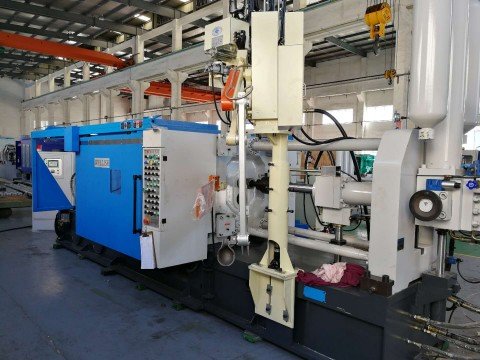
Training operators and maintenance personnel in energy-efficient practices is crucial. Proper training helps staff understand the importance of energy efficiency and how to optimize the operation of hydraulic valves. This includes learning how to identify and address energy-wasting issues, as well as implementing best practices for valve maintenance and operation. Educated staff can contribute to more efficient and sustainable die-casting operations.
HAICHEN Hydraulic System Energy Efficiency Advantages
HAICHEN die casting machines incorporate multiple energy-saving technologies in hydraulic system design, helping customers significantly reduce operating costs.
Servo Variable Pump System
HAICHEN large-tonnage cold chamber machines feature servo-driven variable pumps as standard, automatically adjusting output flow based on process requirements. Compared to fixed displacement pump systems, standby phase energy consumption is reduced by over 80%, with overall machine energy savings of 25-35%. Fast servo motor response combined with real-time pressure closed-loop control ensures stable injection pressure.
Load-Sensing Proportional Valves
HAICHEN hydraulic systems use load-sensing proportional valves that adjust supply pressure based on actual load requirements of actuators. System pressure is maintained slightly above load pressure, reducing overflow losses. Load-sensing systems achieve 15-25% energy savings compared to traditional constant pressure systems.
Energy Recovery Units
For reciprocating actions such as mold opening/closing and ejection, HAICHEN equipment offers optional energy recovery units that convert kinetic energy from lowering or deceleration phases into electricity fed back to the grid. For high-frequency die casting cycles, energy recovery can provide an additional 5-10% electricity savings.
Intelligent Standby Management
HAICHEN control systems integrate intelligent standby functions, automatically reducing hydraulic system power output during production intervals. After exceeding set standby time, the system enters deep sleep mode with the main pump stopped and only the control system powered. Upon restart, full power output is restored within 1.5 seconds without affecting production efficiency.
Actual Energy Savings Results
A die casting facility replaced fixed displacement pump equipment with HAICHEN servo-driven machines producing the same aluminum parts. Measured energy consumption per part decreased from 0.28kWh to 0.18kWh, a 36% reduction. With annual production of 1 million parts, annual electricity savings reached 100,000 kWh, reducing electricity costs by approximately ¥80,000. Additionally, hydraulic oil temperature dropped from 58°C to 46°C, cooling water consumption decreased by 25%, and oil change intervals extended from 6 to 12 months.ICHEN’s machines are designed to provide precise flow control, ensuring efficient operation.
Frequently Asked Questions
Q: What are the main methods for reducing hydraulic valve energy consumption?
A: Key methods include optimizing valve design (proper sizing and efficient valve types), implementing advanced control systems (digital controls and load sensing), performing regular maintenance (cleaning and lubrication), and optimizing system pressure and flow settings.
Q: How much energy can servo variable pump systems save?
A: HAICHEN servo-driven variable pump systems reduce standby phase energy consumption by over 80% and achieve overall machine energy savings of 25-35%. Real production data shows energy consumption per part decreased from 0.28kWh to 0.18kWh, a 36% reduction.
Q: What is a load-sensing system and how does it save energy?
A: A load-sensing system adjusts hydraulic fluid delivery based on actual load requirements, avoiding over-pressurization and unnecessary fluid flow. Load-sensing systems achieve 15-25% energy savings compared to traditional constant pressure systems.
Q: How does regular maintenance reduce energy consumption?
A: Regular cleaning prevents contamination that increases valve friction and resistance. Proper lubrication reduces wear and friction. Well-maintained valves operate at peak efficiency, consuming less energy and extending equipment life.
Q: What energy recovery options does HAICHEN offer?
A: HAICHEN offers optional energy recovery units for reciprocating actions like mold opening/closing and ejection, converting kinetic energy into electricity fed back to the grid. This can provide an additional 5-10% electricity savings.