Common tie bar issues include breakage, wear, and stretching, which can be solved through proper material selection, regular lubrication, and consistent pre-stress monitoring.
Tie bars are critical components in die casting machines, responsible for maintaining clamping force and mold alignment during high-pressure injection. When tie bars fail or perform poorly, it leads to flash, dimensional inaccuracy, and unplanned downtime.
This article discusses common tie bar issues encountered in die casting production, including over-stretching, breakage, uneven load distribution, wear, and improper installation. It also provides practical solutions to prevent these problems and extend tie bar service life.
As a experienced die casting machine manufacturer, HAICHEN designs tie bars with high-strength materials and precision manufacturing to ensure reliable performance under demanding production conditions.
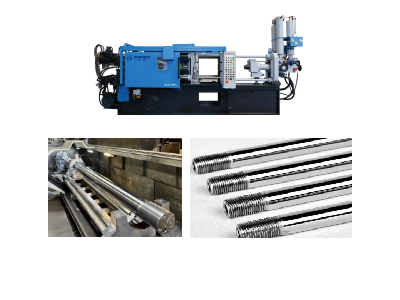
Tie Bar Over-Stretching or Breakage of die casting tie bars
Tie bars are stretched during each injection cycle to provide sufficient clamping force to resist the high-pressure injection force. If the machine settings are improper or the tie bars are subjected to excessive stretching, they may break.
Solutions:
- Regularly inspect the stress conditions of the tie bars, using measuring tools such as strain gauges to detect the elongation of the tie bars.
- Adjust the clamping force of the machine to avoid overloading the tie bars with excessive force.
- Ensure that the installation and maintenance of the machine comply with specifications to prevent tie bar failure due to equipment aging or damage.
Uneven Load Distribution on die casting Tie Bars
During high-pressure die-casting, changes in the mold’s center of gravity can lead to uneven load distribution on the tie bars, resulting in issues such as flash.
Solutions:
- Optimize mold design to align the mold’s center of gravity with the injection point, reducing the imbalance of load on the tie bars.
- During the mold design phase, use calculations and simulation analysis to determine the load distribution on each tie bar and allocate the load reasonably.
- Adjust the mold’s center of gravity, for example, by moving the injection point to balance the load on the tie bars.

Tie Bar Wear or Corrosion of die casting tie bars
Long-term use can lead to surface wear or corrosion of the tie bars, affecting their mechanical properties.
Solutions:
- Manufacture tie bars using high-quality materials and regularly lubricate and maintain them.
- For corrosive environments, apply anti-corrosion coatings or replace with corrosion-resistant materials.
Improper Installation of Tie Bars
If tie bars are installed incorrectly, it may prevent the mold from closing properly or create additional stress.
Solutions:
- Carefully inspect the dimensions and positioning of the tie bars before installation to ensure they match the mold and machine.
- Use specialized tools to measure the parallelism and elongation of the tie bars to ensure installation accuracy.
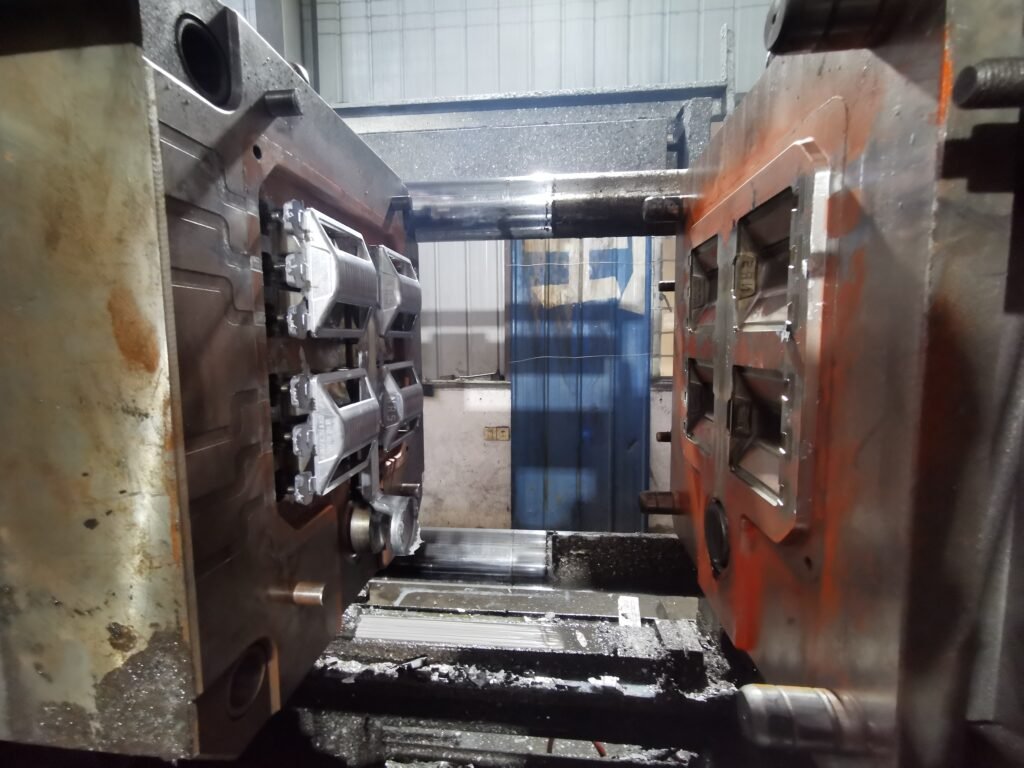
Preventive Maintenance for Tie Bars
Regular maintenance helps identify potential tie bar issues before they cause production stoppages. Key practices include:
- Elongation Monitoring: Measure tie bar stretch periodically using strain gauges or ultrasonic devices. Compare readings with manufacturer specifications to detect over-stretching early.
- Lubrication Schedule: Apply high-temperature grease to tie bar threads and nuts at regular intervals. Proper lubrication reduces friction and prevents galling during tensioning.
- Parallelism Checks: Verify that all four tie bars maintain equal elongation after clamping. Uneven readings indicate misalignment or uneven load distribution requiring adjustment.
- Surface Inspection: Examine tie bars for signs of wear, corrosion, or surface cracks during routine maintenance. Address minor issues before they develop into failures.
- Nut and Thread Maintenance: Clean and inspect tie bar nuts and threads for damage. Replace worn components to maintain proper tension holding capacity.
Implementing these preventive measures reduces unplanned downtime and extends the operational life of both tie bars and the die casting machine.
Incorrect Load Calculation for Tie Bars
In some cases, errors in calculation or improper parameter settings may lead to unreasonable load distribution on the tie bars, thereby affecting the quality of die-casting.
Solutions:
- Use professional die-casting simulation software for load calculations and adjust according to actual production conditions.
- Regularly calibrate and validate the calculation models to ensure their accuracy.
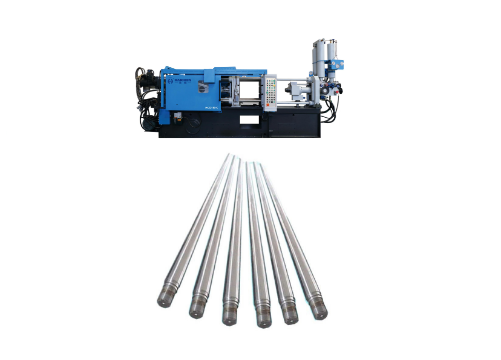
Unreasonable Mold Design Leading to Tie Bar Issues
Defects in mold design, such as uneven wall thickness or improper gate design, can cause uneven stress on the tie bars.
Solutions:
- Optimize mold design to ensure uniform wall thickness and proper gate placement.
- Use computer-aided design (CAD) tools for mold design and simulation to reduce design flaws.
Die casting machine supplier : Haichen Machinery
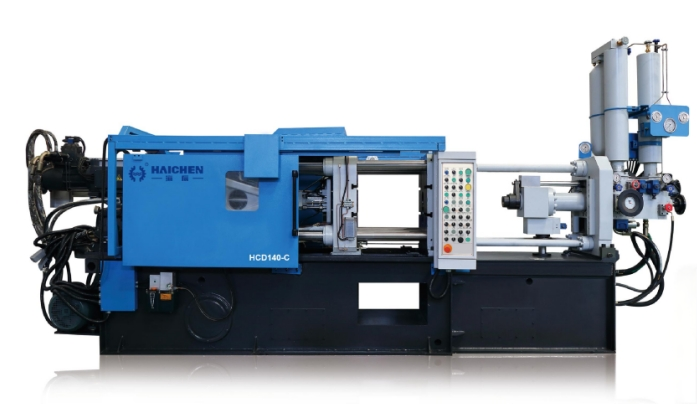
Haichen Machinery is a well-known Chinese manufacturer of cold chamber die casting machines and hot chamber die casting machines, primarily serving the aluminum, zinc, and magnesium die casting industries. Tie bars in Haichen die casting machines are critical for maintaining clamping force and ensuring machine stability during high-pressure injection.
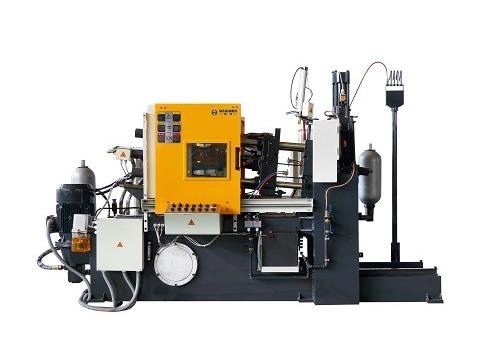
By addressing these issues proactively, you can extend tie bar life, improve casting quality, and reduce machine downtime.


