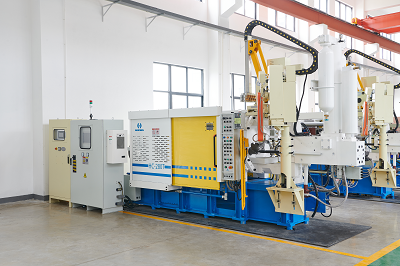
Furnace energy efficiency measures are essential for reducing production costs and environmental impact in the die-casting industry. The energy consumption of melting furnaces is a significant factor in overall production costs. Implementing optimized charge preheating and waste heat recovery can cut specific energy consumption by 30%, increase melting capacity by 50%, and reduce CO₂ emissions by over 25%.
This guide covers practical furnace energy efficiency measures — including insulation optimization, advanced temperature control, waste heat recovery, and regular maintenance — with real production data from HAICHEN installations.
Types of Furnaces in Die Casting
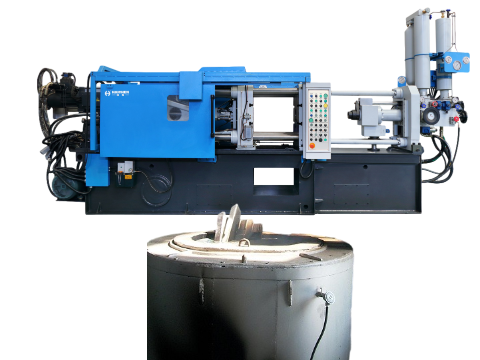
The furnaces used in the die-casting industry are mainly divided into the following categories, each with its unique energy efficiency characteristics and application scenarios:
| Furnace Type | Fuel/Energy | Key Energy Feature | Best Suited For |
|---|---|---|---|
| Gas-fired Furnaces | Natural gas, LPG | Rapid melting, high-efficiency burners | Large-scale continuous production |
| Electric Resistance Furnaces | Electricity | Precise temperature control, high thermal efficiency | Precision alloy melting |
| Induction Furnaces | Electricity | Fast melting, low oxidation loss, high conversion efficiency | Rapid melting of various alloys |
HAICHEN Furnace Solutions
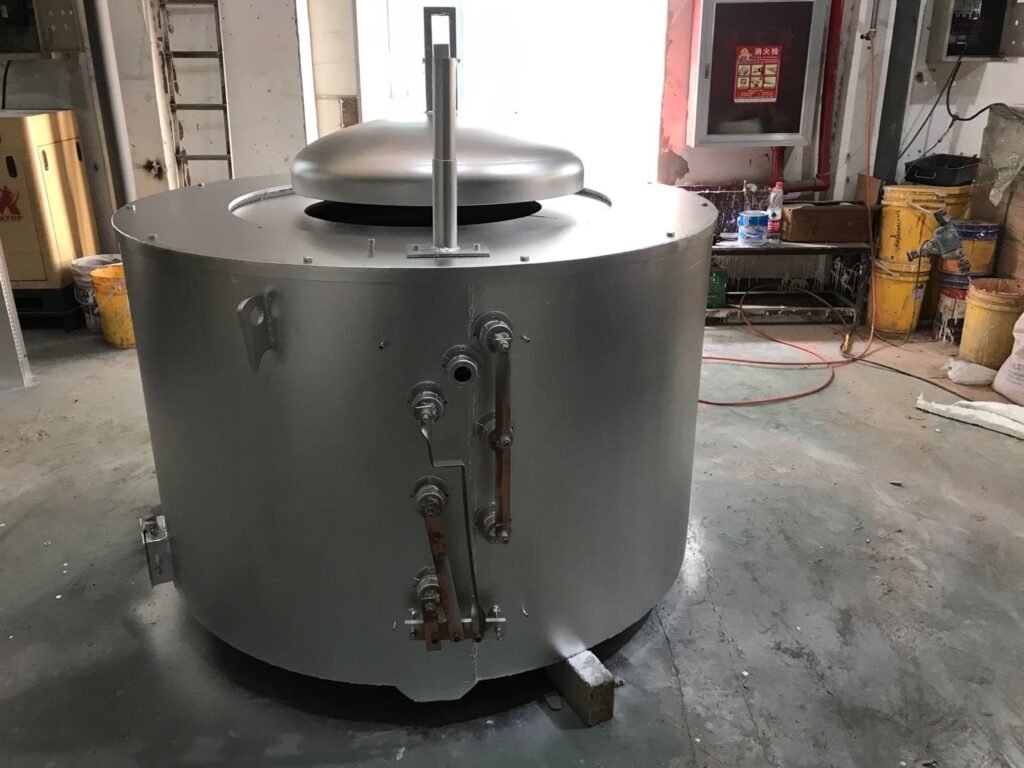
HAICHEN provides customers with diversified furnace options based on different production needs and energy structures:
- Gas-fired Furnaces: Employing premixed combustion technology and ceramic fiber insulation lining, achieving thermal efficiency over 65%, equipped with intelligent air-fuel ratio control systems to ensure optimal combustion
- Electric Resistance Furnaces: Using high-quality silicon molybdenum rod heating elements, furnace temperature uniformity ±5°C, reducing energy consumption by 15% compared to traditional resistance furnaces
- Induction Furnaces: Medium-frequency power supply combined with water cooling systems, power factor ≥0.95, melting efficiency up to 75%
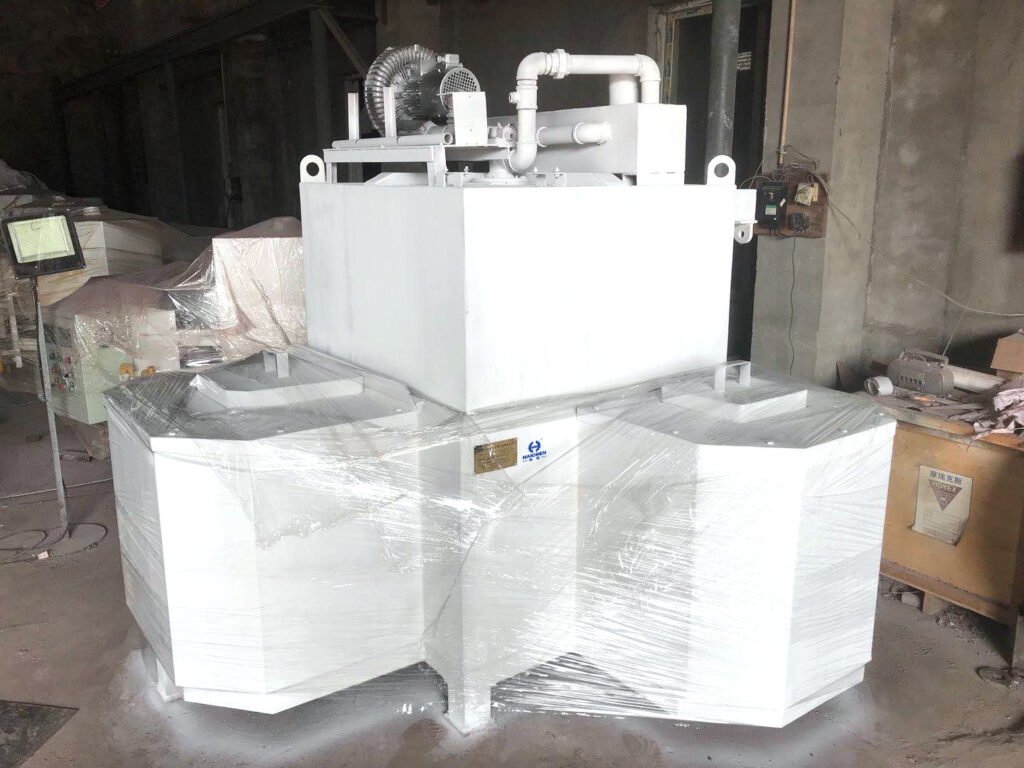
Core Energy Efficiency Measures for Furnaces
Optimize Furnace Insulation
One of the most effective ways to improve energy efficiency is to enhance the insulation of the furnace. Proper insulation minimizes heat loss and maintains a consistent temperature inside the furnace, reducing the energy required to maintain the desired melting temperature.
High-quality, high-temperature insulation materials, such as ceramic fiber or mineral wool, can significantly reduce heat transfer through the furnace walls. Regular inspection and maintenance of the insulation are also crucial to ensure it remains intact and effective over time.
Advanced Temperature Control Systems
Precise temperature control is essential for efficient melting operations. Advanced temperature control systems, such as those equipped with programmable logic controllers (PLCs) and thermocouples, can maintain the optimal melting temperature with minimal fluctuations. This reduces energy waste from overheating and ensures consistent metal quality.
Precision Air-Fuel Ratio Control for Gas Furnaces
Gas-fired furnaces lose significant energy through flue gas (35-50% of input energy). Maintaining the correct air-fuel ratio is essential for minimizing this loss. An excess air level of 10-15% (lambda 1.1-1.15) ensures complete combustion without excessive heat carryover. Real-time oxygen sensors (lambda probes) in the exhaust stream provide feedback to an electronic control unit, which modulates gas valves and combustion air blowers.
HAICHEN integrates this technology into its furnaces, delivering consistent combustion efficiency and reducing fuel consumption.
Use Energy-Efficient Heating Elements
The choice of heating elements can greatly impact energy consumption. Energy-efficient heating elements, such as those made from advanced ceramic materials or high-efficiency electric resistance heaters, can provide faster heat-up times and more uniform heat distribution. These components optimize energy transfer efficiency while reducing heat loss, which cuts energy usage and accelerates melting cycles.
Optimize Melting Processes
Efficient melting processes are crucial for energy savings. Preheating raw materials before they enter the furnace can significantly reduce the energy required to reach the melting point. Additionally, optimizing the size and shape of the metal charge can improve heat transfer efficiency and reduce melting time.
Specific Benefits of Preheating
Preheating furnace charge to 150-200°C before melting reduces melting time by 15-20% and minimizes temperature fluctuations inside the furnace. Preheating can be achieved using waste heat recovery systems, creating an energy circulation loop. For aluminum melting, preheating also removes surface moisture, reducing hydrogen content and porosity defects.
Melt Pool Protection
Forming a protective layer on the melt pool surface reduces heat loss and oxidation. For aluminum melting, using nitrogen or argon as protective gas, or covering with specialized fluxes, reduces dross generation by 10-30% while lowering melting temperature and saving energy.
Recover and Reuse Waste Heat
Waste heat recovery systems can capture excess heat from the furnace and reuse it for other processes, such as preheating raw materials or providing supplementary heating for the facility. This reduces the overall energy demand and improves the thermal efficiency of the entire operation. Waste heat recovery can be achieved through heat exchangers or other thermal management systems.
Regular Maintenance and Upgrades
Regular maintenance is essential to ensure the furnace operates at peak efficiency. This includes cleaning and inspecting burners, checking for leaks, and ensuring all components are functioning correctly. Upgrading to more energy-efficient technologies, such as modern insulation materials or advanced heating elements, can also provide long-term benefits.hat provide real-time monitoring and adjustments. Ensuring the furnace operates at peak efficiency.
HAICHEN Furnace Energy Efficiency Cases
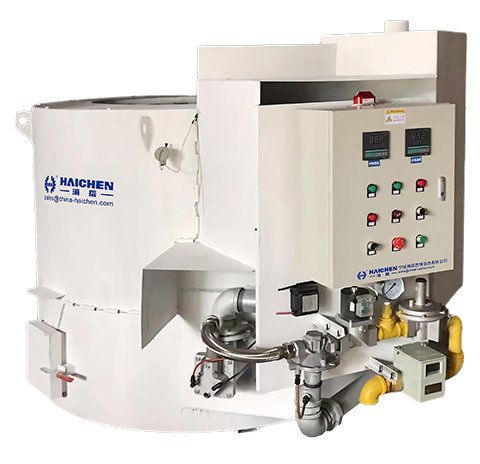
Gas Furnace Retrofit for Aluminum Die Caster
Challenge: An automotive parts die caster had four aging gas melting furnaces. Each consumed approximately 320 cubic meters of gas daily, with furnace wall temperatures reaching 85°C, indicating severe heat loss.
HAICHEN Solution:
- Replaced with HAICHEN gas furnaces featuring ceramic fiber insulation, reducing wall temperature below 45°C
- Added automatic air-fuel ratio control for real-time combustion optimization
- Installed flue gas heat recovery to preheat combustion air to 250°C
Results:
- Furnace temperature uniformity ±8°C, improved melt quality
- Daily gas consumption reduced to 210 cubic meters per furnace, saving 34%
- Annual gas cost savings approximately ¥180,000
Frequently Asked Questions
Q: What are the key furnace energy efficiency measures for die casting?
A: Key measures include optimizing furnace insulation, implementing advanced temperature control systems, using energy-efficient heating elements, preheating raw materials, recovering waste heat, and conducting regular maintenance. HAICHEN furnaces have demonstrated 34% energy savings in real production.
Q: How much energy can waste heat recovery save?
A: Waste heat recovery can preheat combustion air to 250°C and significantly reduce fuel consumption. In HAICHEN’s gas furnace retrofit case, annual gas cost savings reached approximately ¥180,000 per furnace.
Q: What is the benefit of preheating furnace charge?
A: Preheating charge to 150-200°C reduces melting time by 15-20% and minimizes temperature fluctuations. It also removes surface moisture, reducing hydrogen content and porosity defects in aluminum casting.
Q: What types of furnaces does HAICHEN offer?
A: HAICHEN offers gas-fired furnaces (thermal efficiency over 65%), electric resistance furnaces (±5°C uniformity, 15% energy saving), and induction furnaces (melting efficiency up to 75%).
Q: How does air-fuel ratio control improve energy efficiency?
A: Gas-fired furnaces lose 35-50% of energy through flue gas. Real-time oxygen sensors maintain the optimal air-fuel ratio (excess air 10-15%), ensuring complete combustion without excessive heat carryover, directly reducing fuel consumption.