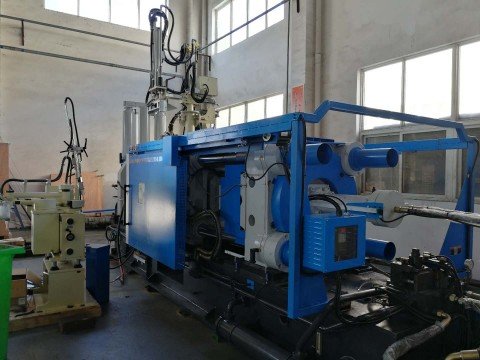
Die Casting Sprayer failure include :
- paint leakage from the spray gun
- abnormal spray width adjustment
- malfunction of the digital display screen
- spray width defects
- loose or worn sealing rings
- improper installation of nozzles
- damage to air distribution rings
- blockage caused by improper cleaning
For instance, if the spray gun leaks paint, this issue often arises either because improper installation has left the gun needle sealing ring loose.
Or accumulated wear has compromised the ring’s integrity over time.
For instance, abnormal spray width is usually related to damage or improper installation of the air distribution ring, which can affect air flow and result in uneven spraying.
Therefore, Haichen believes that it is necessary to regularly inspect and replace the sealing rings.
Either cleaning liquid infiltration or battery sealing ring damage may trigger the digital display screen malfunction, thereby resulting in internal circuit damage.
For instance, when the sprayer fails to start, it may be necessary to check whether the power supply, fuse, cable connection, and sensor are working properly.
For motor issues, it might be necessary to disassemble the pump to check for any jamming or test the motor voltage.

Sprayer basic working principle and core functions
- Mold cleaning
- Lubrication spraying
- Secondary purging
- Temperature control
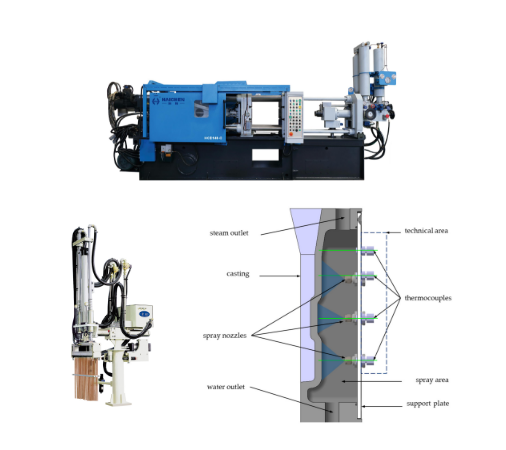
The Die Casting Sprayer is a key auxiliary equipment in the die casting process, mainly composed of a mechanical arm, nozzles, a lubricant supply system and an air purging system.
Mold cleaning
Blow the mold surface with compressed air (first blow).
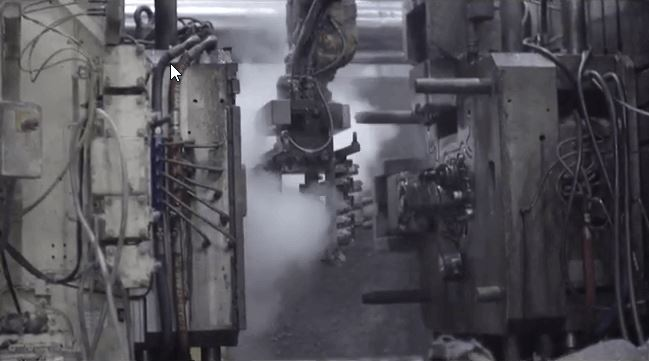
Lubrication spraying
For instance,precisely spray water-based/oil-based lubricants to form an isolation layer to prevent castings from sticking to the mold.
While reducing the mold temperature (typical spraying time: 0.5-3 seconds).
Secondary purging
Remove excess lubricant residue to ensure uniformity of the mold surface.
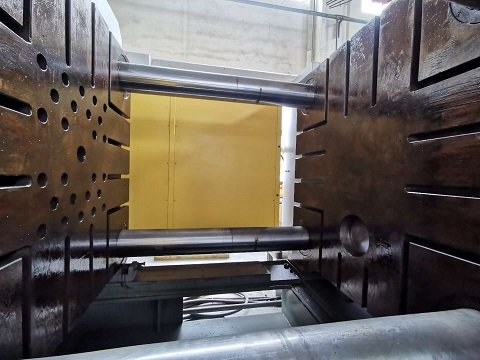
Temperature control
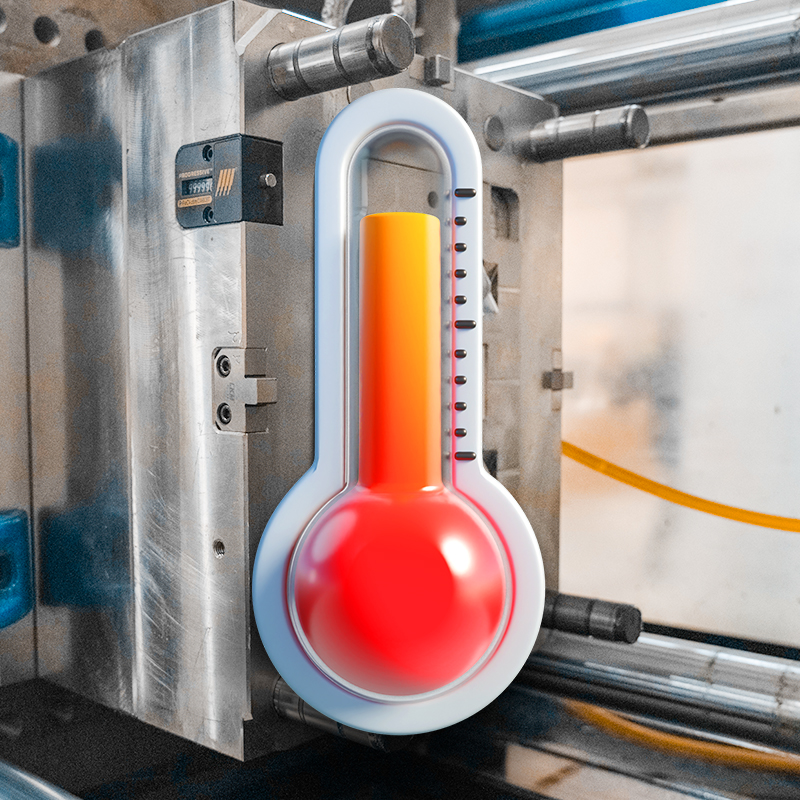
A process window where the mold temperature is maintained at 150-300℃ (for aluminum alloys) or 200-350℃ (for magnesium alloys) through coolant.
Paint leakage from the spray gun
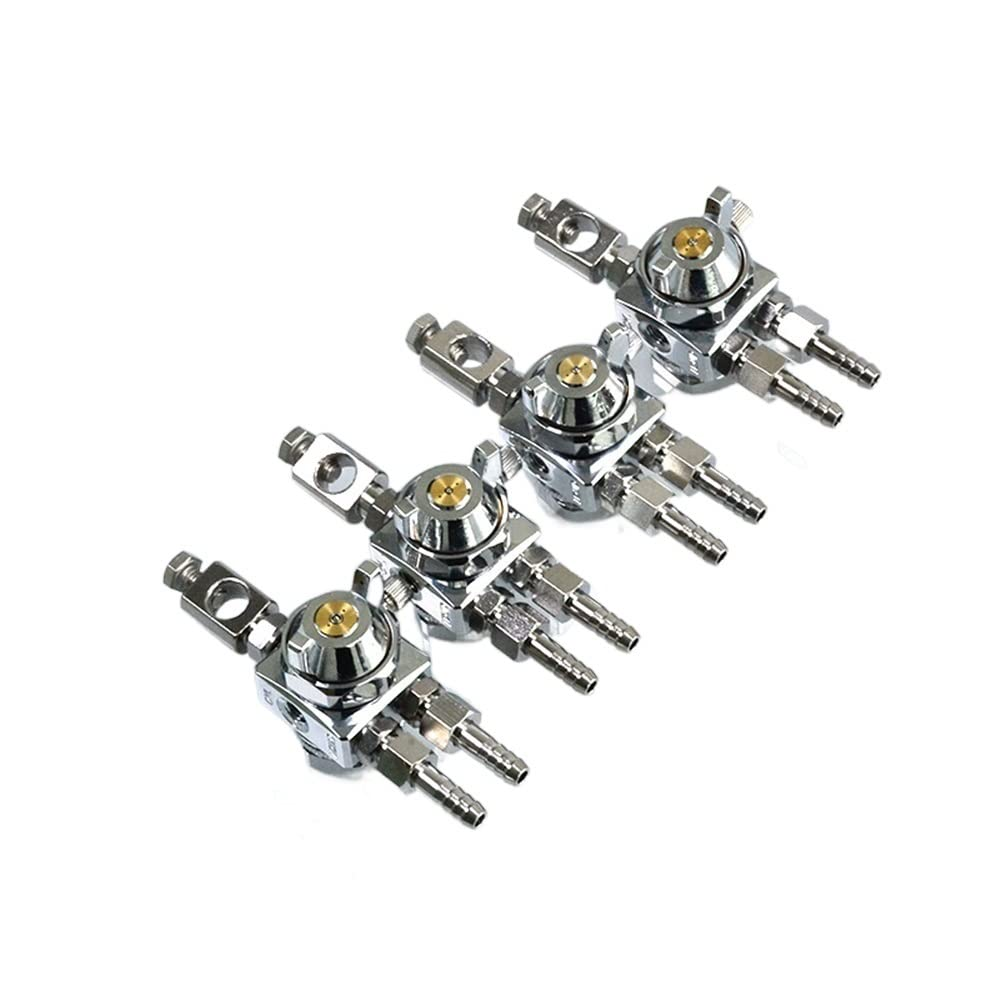
Nozzle Problems
- Blockage:Caused by residual release agent, water impurities or metal debris; leads to uneven spray or flow interruption; resolve by cleaning or replacing the nozzle.
- Wear and deformation:Caused by long-term high-pressure impact or material fatigue; leads to poor atomization; resolve by regular inspection and replacement.
- Leakage:Caused by aging or loose sealing ring; leads to paint leakage; resolve by replacing seals and recalibrating installation.
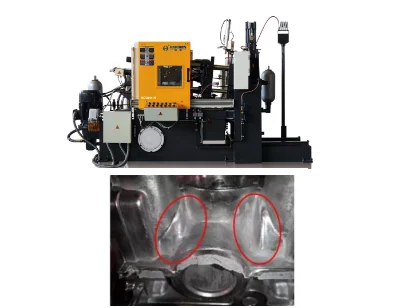
Pump Malfunctions
- Insufficient pressure:Caused by motor damage, seal aging or inlet pipe blockage; resolve by checking power supply, replacing seals and cleaning filters.
- Abnormal noise:
- Caused by bearing wear, impeller imbalance or cavitation; resolve by shutdown maintenance.
- Oil/water leakage:Caused by failed seals or loose connections; resolve by replacing oil seals or tightening joints.
Abnormal Spray Width Adjustment
Abnormal spray width adjustment refers to the failure of the spray gun to maintain a stable, standard spray fan width during operation.
Common manifestations include inconsistent spray width, partial over‑spray, narrow or distorted spray pattern, and uneven atomization.
These issues are usually caused by unstable air pressure, damaged or improperly fitted components, and sealing failure.
Timely inspection and correction of spray width can ensure uniform coating coverage, avoid material waste, and improve spraying quality.
Malfunction of the digital display screen
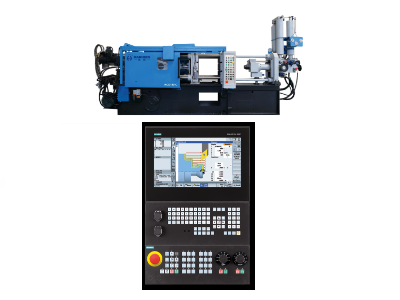
- PLC program anomaly
- Sensor failure
- Power supply issue
PLC program anomaly
Incorrect parameter setting or interruption of solenoid valve signal causes confusion in operation (such as the spray head failing to reset).
At this point, Haichen will reprogram the die-casting machine or check the signal lines.
Sensor failure
The malfunction of the position sensor (such as the mold opening limit switch) causes the sprayer to malfunction.
Calibration or replacement of the sensor is required.
Power supply issue
Voltage fluctuations or loose terminal blocks may cause the equipment to shut down.
It is necessary to check the grounding protection and reinforce the circuit connection.
Loose or worn sealing rings
Aging, deformation, or wear of sealing rings can cause air pressure leakage and unstable air supply, directly resulting in abnormal spray width and uneven atomization.
The compressed air pressure cannot be maintained within the normal range of 0.4-0.6MPa, leading to unstable spray coverage and uneven coating distribution.
It is necessary to replace the worn or damaged sealing rings in time and check the tightness to ensure stable air pressure output.
Improper installation of nozzles
Incorrect nozzle installation angle, offset position, or improper fitting will lead to deviation of the spray path and abnormal spray width.
The spray cannot be evenly covered, and the atomization effect becomes poor, which affects the spraying quality.
It is required to recalibrate the nozzle angle, re-install and fix the nozzle correctly to ensure standard spray width and uniform atomization.
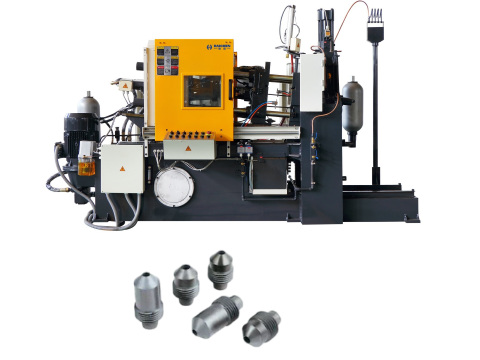
Damage to air distribution rings
Damage or wear to air distribution rings will directly result in unstable air distribution, uneven airflow, and abnormal spray width.
Severe damage may cause air leakage, insufficient atomization pressure, and inconsistent spray fan shape.
In such cases, the air distribution rings lose their proper sealing and airflow control function, leading to poor atomization and unstable spraying performance.
To solve these problems, the damaged air distribution rings must be replaced, and the air path sealing and airflow stability should be checked and restored.
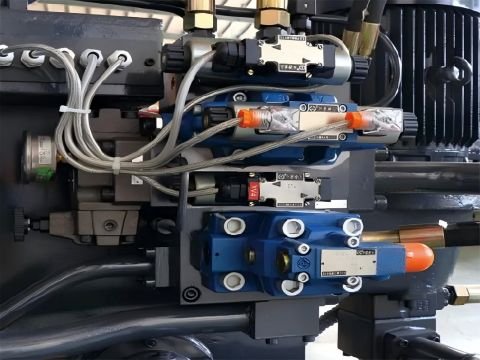
Blockage Caused by Improper Cleaning
- Residue Accumulation
- Long-term Equipment Impairment
Residue Accumulation
Improper or incomplete cleaning leaves residual mold release agent, water impurities, and tiny metal debris inside the nozzle and pipeline.
These deposits gradually build up, narrow the flow channel, and directly cause nozzle blockage, uneven atomization, and unstable spray width.
Long-term Equipment Impairment
Long-term accumulation of contaminants accelerates abrasion and irregular deformation of the nozzle inner wall, further worsening blockage and reducing spraying performance.
Regular deep cleaning and internal passage inspection are required to ensure smooth flow and stable operation.
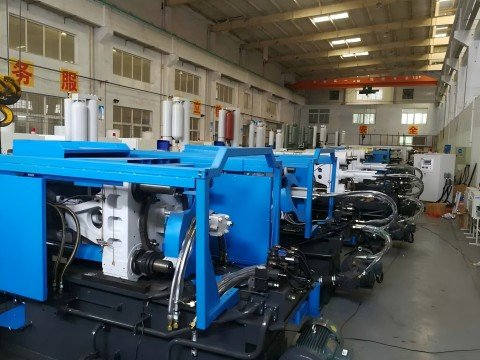
Haichen Preventive Measures for Die Casting Sprayer Failures
Strengthen daily inspection and maintenance of the spray gun, especially sealing rings, air distribution rings and nozzles, replacing worn or damaged parts in a timely manner.
Standardize nozzle installation and calibration to ensure correct alignment and stable spray width.
Maintain stable air pressure within the normal range and avoid abnormal adjustment.
Protect the digital display screen from high temperature and moisture to ensure normal signal display.
Establish a strict cleaning system to thoroughly remove residual mold release agent and impurities, avoiding blockage caused by improper cleaning.
Carry out regular maintenance and component replacement to improve overall reliability and service life.