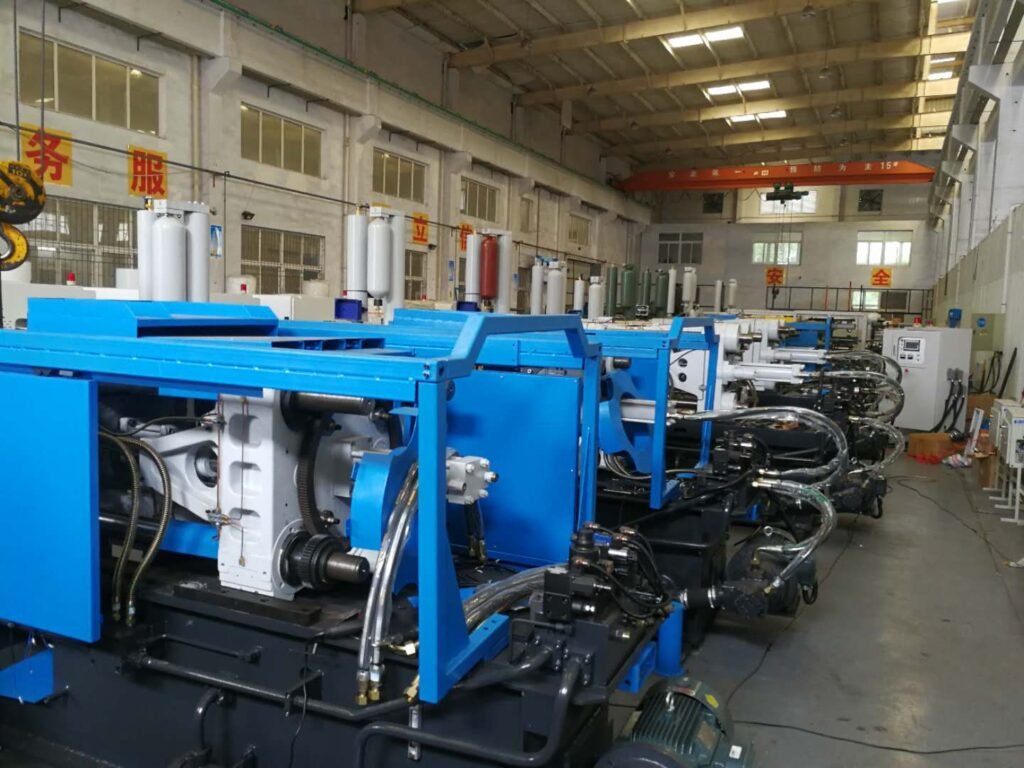
Discover the Advantages of Quick Die Change Systems for Die Casting: reduced downtime, increased productivity, and enhanced flexibility.
In the highly competitive world of die casting, efficiency and productivity are key factors that determine a company’s success. One of the most significant advancements in recent years is the introduction of Quick Die Change (QDC) systems.
These systems have revolutionized the die casting industry by significantly reducing downtime and increasing overall production efficiency.
This article will explore the advantages of QDC systems and how they can benefit die casting manufacturers.
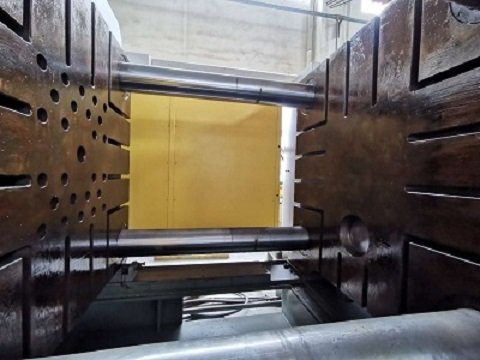
Advantages of Quick Die Change Systems for Die Casting
- Reduced Downtime
- Increased Production Flexibility
- Improved Machine Utilization
- Enhanced Quality Control
- Cost Savings
- Integration with Modern Manufacturing Practices
Reduced Downtime
Traditional die change processes can be time-consuming and labor-intensive. With a Quick Die Change system, the time required to switch dies is dramatically reduced. This means less downtime for the machine, allowing for more production cycles within the same timeframe. For example, a typical die change process might take several hours, while a QDC system can reduce this to just a few minutes. This efficiency gain is crucial in meeting tight production schedules and reducing lead times.
Increased Production Flexibility
In a dynamic market, manufacturers need to be able to switch between different products quickly. QDC systems enable die casting companies to change dies rapidly, allowing them to produce multiple products on the same machine without significant delays. This flexibility is essential for companies that need to respond quickly to customer demands and market changes.
Improved Machine Utilization
By reducing the time spent on die changes, QDC systems ensure that the die casting machine is operational for a higher percentage of the time. This increased machine utilization leads to higher overall productivity and a better return on investment for the equipment. In other words, the machine is making parts more often, which directly translates to increased profitability.
Enhanced Quality Control
Quick Die Change systems often come with advanced features such as precise die positioning and alignment mechanisms. These features ensure that the die is correctly placed every time, reducing the risk of defects and inconsistencies in the final product. This level of precision is critical in industries where high-quality standards are required, such as automotive and aerospace.
Cost Savings
While the initial investment in a QDC system may seem significant, the long-term cost savings are substantial. Reduced downtime, increased productivity, and improved quality all contribute to lower production costs per unit. Additionally, the ability to switch dies quickly means that manufacturers can produce smaller batches more efficiently, reducing inventory costs and waste.
Integration with Modern Manufacturing Practices
Quick Die Change systems are designed to integrate seamlessly with modern manufacturing practices such as Lean Manufacturing and Just-In-Time (JIT) production. By minimizing waste and optimizing production processes, QDC systems align perfectly with these methodologies, helping companies achieve their operational excellence goals.
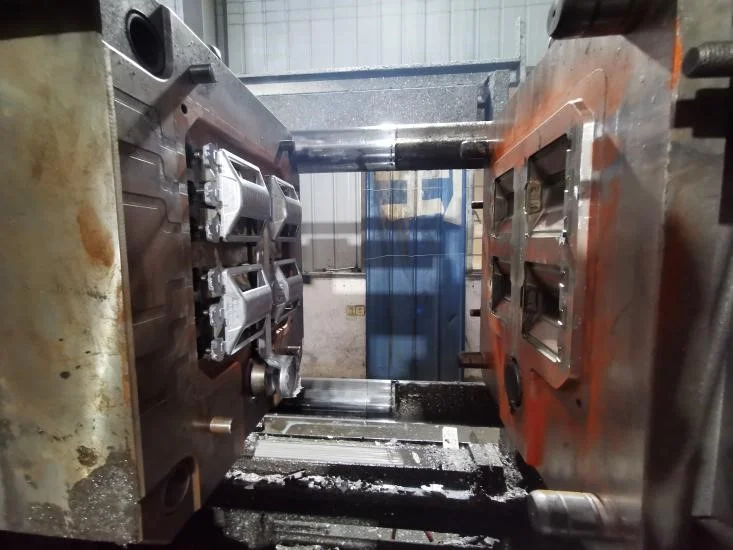
Key Implementation Considerations for Quick Die Change Systems
- Die Standardization
- Pre-Die Change Preparation
- Operator Training
- Safety Integration
- Measurement and Continuous Improvement
Die Standardization
To maximize QDC benefits, standardize die dimensions, clamping points, and connection interfaces across molds. Common hydraulic or magnetic clamping systems allow different dies to mount without changing machine settings. Standardized water and electrical connections enable quick coupling without tools.
Pre-Die Change Preparation
Prepare the next die while the current production run continues. Preheating the die to operating temperature before installation reduces cycle time. Having all tools, lifting equipment, and connection hoses ready eliminates waiting during changeover.
Operator Training
QDC systems require trained operators familiar with the specific changeover sequence. Standardized procedures with checklists ensure consistency. Cross-training multiple operators prevents single-point dependency and maintains changeover speed during shift changes.
Safety Integration
Safety interlocks prevent machine operation during die changes. Hydraulic clamping systems include pressure monitoring to confirm full clamping before injection starts. Emergency stops and light curtains protect operators during manual connection steps.
Measurement and Continuous Improvement
Track changeover times for each die and operator. Set target times and analyze deviations to identify improvement opportunities. Regular review of changeover data helps refine procedures and reduce times further.

HAICHEN: Die Casting Innovation
At HAICHEN, we understand the importance of efficiency and innovation in the die casting industry. Our state-of-the-art die casting machines are equipped with advanced Quick Die Change systems to ensure that our customers can benefit from the highest levels of productivity and flexibility.
With HAICHEN, you are not just investing in a machine; you are investing in a partner that is committed to helping you stay ahead in the competitive world of manufacturing.