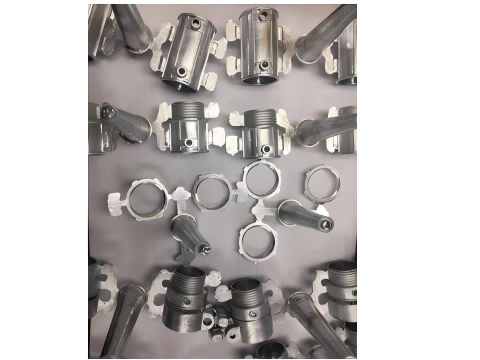
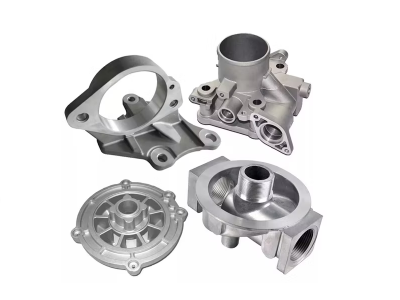
The main advantages of zinc die casting include high dimensional accuracy, excellent surface finish, fast production, long die life, thin-wall capability, and lower secondary processing costs.
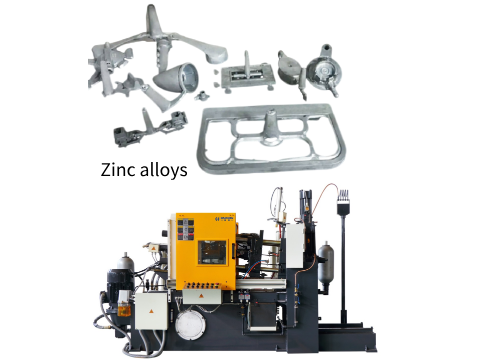
Zinc alloys are especially suitable for high-volume production of small and medium-sized metal parts with complex shapes.
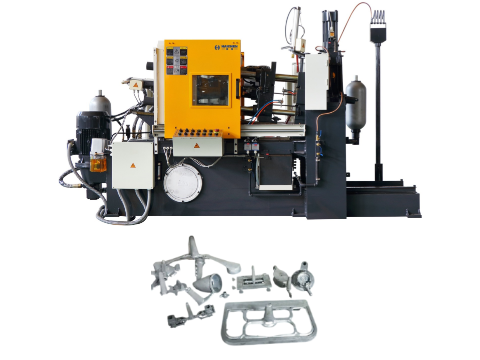
Because zinc melts at a much lower temperature than aluminum, the die casting process can use shorter cycle times and place less thermal stress on the die.
So, why do many manufacturers choose zinc die casting instead of other metal processes? Here are the key advantages.
High Dimensional Accuracy
Zinc die casting can produce parts with tight dimensions and good repeatability.
This is important when a component needs to fit with other parts without extensive machining or adjustment.
The final accuracy depends on several factors, including:
- Part size and geometry
- Die design
- Die material
- Alloy grade
- Machine settings
- Cooling conditions
- Process control
Therefore, manufacturers should not treat one tolerance value as suitable for every zinc cast project.
For precision components, a well-designed die and stable process control can greatly reduce dimensional variation during mass production.
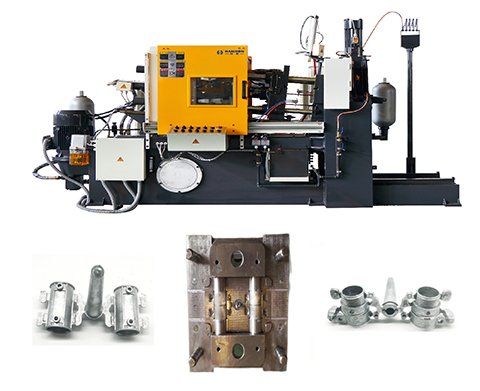
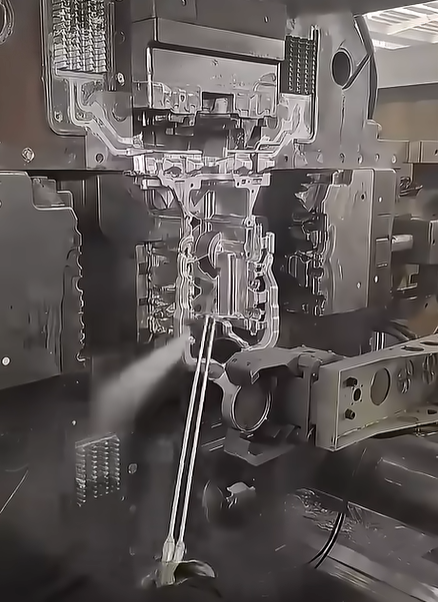
Excellent Thin-Wall Casting Capability
Zinc alloys have good fluidity, which allows molten metal to fill small and complex sections of the die.
This makes suitable for parts with:
- Thin walls
- Small ribs
- Fine details
- Small holes
- Complex profiles
- Integrated fastening features
Thin-wall casting can also reduce material use and part weight.
In other words, manufacturers can sometimes design a complex zinc component as one piece instead of producing several simple parts and assembling them later.
Excellent Surface Finish
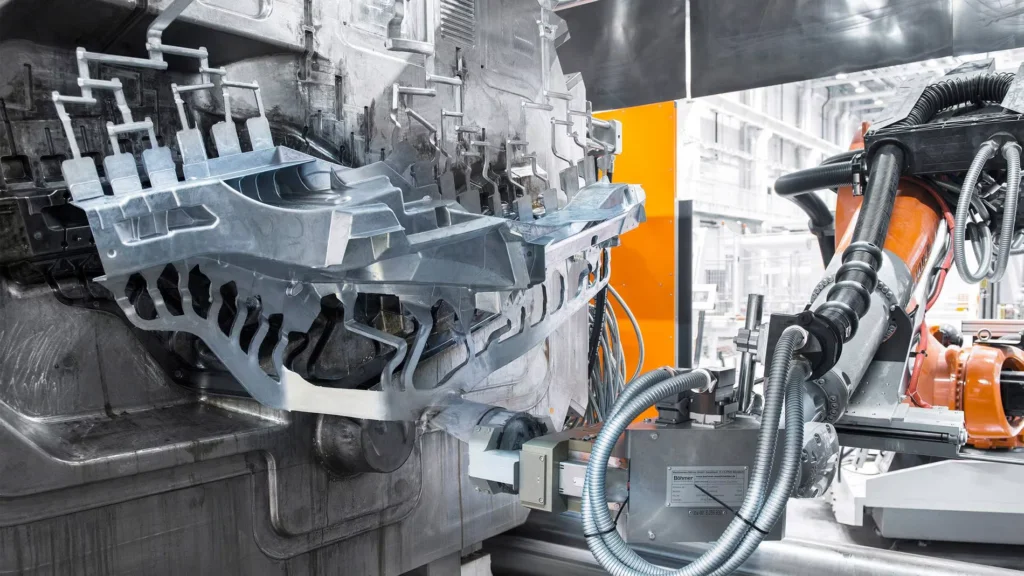
This castings can have a smooth surface directly after casting.
This reduces the need for heavy machining and can also provide a good base for secondary finishing.
Depending on the product, zinc castings can receive finishes such as:
- Plating
- Painting
- Powder coating
- Polishing
- Decorative finishing
This is one reason zinc die casting is widely used for visible hardware, consumer products, automotive components, and electronic parts.
Faster Production Cycles
One of the biggest advantages of zinc die casting is production speed.
Zinc alloys have a relatively low melting temperature and low heat content compared with many other common casting metals. As a result, they can solidify quickly in a properly designed die.
The hot-chamber process is particularly suitable for high-volume zinc production because the injection system works closely with the molten metal.
However, the actual cycle time depends on:
- Part size
- Part thickness
- Die design
- Number of cavities
- Cooling system
- Machine settings
- Automation level
Therefore, it is better to evaluate cycle time from the complete die casting project rather than use one fixed number for every product.
Long Die Life
Zinc die casting can provide very long die life.
The main reason is zinc’s relatively low processing temperature. Lower thermal loading can reduce thermal fatigue and wear on the die compared with higher-temperature casting processes.
Industry sources note that zinc tooling can often reach very high shot counts, with some applications exceeding one million parts. Actual die life depends on die steel, design, cooling, lubrication, alloy, and production conditions.
A long die life matters because tooling is a major part of the investment in high-volume production.
The longer the die lasts, the lower the tooling cost can become on a per-part basis.
Less Machining After Casting
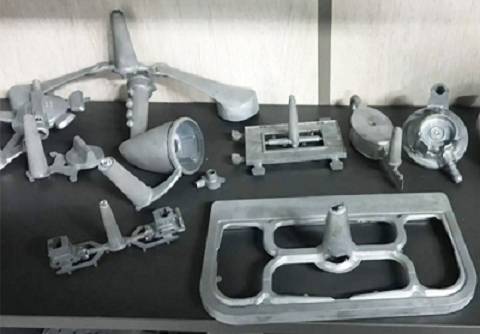
Zinc die casting can produce near-net-shape parts.
This means many features can be formed directly in the die instead of being machined afterward.
For example, the die can create:
- Holes
- Ribs
- Bosses
- Threads or thread-ready features
- Mounting points
- Decorative details
As a result, manufacturers may reduce drilling, milling, trimming, and other secondary operations.
This can shorten the production route and reduce labor and machining costs.
Lower Assembly Costs
Another important advantage is the ability to combine several functions into one casting.
For example, a zinc die casting may include mounting features, ribs, bosses, and fastening points in the same component.
This can reduce the number of separate parts.
Fewer parts can mean:
Less assembly → fewer operations → lower labor cost → simpler production
For high-volume products, this design advantage can have a major effect on total manufacturing cost.
Good Strength, Hardness, and Wear Resistance
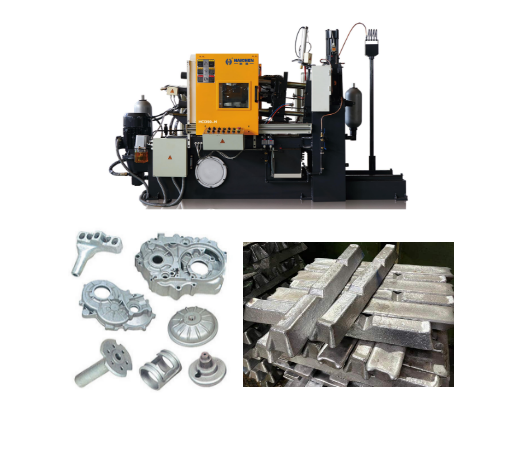
Zinc alloys offer a useful combination of strength, hardness, toughness, and wear resistance.
These properties make zinc suitable for many functional components rather than only decorative parts.
Zinc alloys can also provide good bearing and wear performance in suitable applications. This can allow designers to reduce or eliminate some secondary components such as small bushings or wear inserts.
However, material selection should always consider the actual operating environment.
For example, applications exposed to high temperatures or high mechanical loads may require a different alloy or manufacturing process.
Good Surface Treatment Options
Zinc die castings are suitable for many surface finishing processes.
Depending on the product, manufacturers can use:
- Electroplating
- Painting
- Powder coating
- Polishing
- Decorative coatings
Surface treatment can improve appearance, corrosion resistance, wear resistance, or other product requirements.
This makes zinc die casting attractive for products where both performance and appearance matter.
High Recyclability
Zinc is highly recyclable.
Production scrap such as runners, gates, and other suitable zinc waste can often be collected and returned to the recycling stream.
ASME notes that zinc die casting alloys are highly recyclable and that production scrap can be remelted in suitable manufacturing operations.
This helps manufacturers reduce material waste and improve resource efficiency.
However, recycling performance depends on how scrap is collected, separated, processed, and reused.
Zinc Die Casting vs. Aluminum Die Casting
Zinc and aluminum are both widely used die casting materials, but they are not ideal for exactly the same applications.
| Factor | Zinc Die Casting | Aluminum Die Casting |
|---|---|---|
| Melting temperature | Lower | Higher |
| Thin-wall capability | Excellent | Good |
| Surface finish | Excellent | Good |
| Die life | Very long in suitable applications | Generally shorter |
| Production speed | Very fast for suitable parts | Fast |
| Density | Higher | Lower |
| Common process | Hot chamber | Cold chamber |
| Small precision parts | Excellent | Good |
| Large lightweight parts | Less suitable | Excellent |
It is often a strong choice when the priority is precision, thin walls, surface quality, long die life, and high-volume production.
Aluminum is often more attractive when low weight and larger part size are the main priorities.
Therefore, the best material depends on the part design and production requirements.
When Should You Choose Zinc Die Casting?
Zinc die casting is a good option when your product has several of the following requirements:
- High production volume
- Complex geometry
- Thin walls
- Tight dimensions
- Good surface appearance
- Long die life
- Low machining requirements
- Integrated assembly features
- Good wear resistance
- Surface finishing requirements
For example, zinc die casting can be a good fit for hardware, automotive components, electronic parts, consumer products, locks, handles, brackets, and precision mechanical components.
On the other hand, zinc may not be the best choice when extremely low weight or high-temperature performance is the main requirement.
Why Does Zinc Work Well With Hot-Chamber Die Casting?
Zinc alloys are particularly suitable for hot-chamber die casting.
In a hot-chamber machine, the injection system works directly with the molten metal. The process can therefore support fast and repeatable injection cycles.
A typical zinc die casting cycle includes:
Die closing → Metal injection → Filling → Pressure holding → Cooling → Die opening → Ejection
The machine, die, cooling system, and process parameters must work together to maintain stable production.
For high-volume zinc parts, the combination of zinc alloy and hot-chamber die casting can provide a strong balance between productivity, quality, and production cost.
Haichen Machine
Haichen manufactures die casting machines for different metal casting applications, including hot-chamber and cold-chamber systems.
For zinc die casting, machine selection should consider:
- Zinc alloy type
- Part weight
- Projected area
- Die dimensions
- Required clamping force
- Required production volume
- Injection requirements
- Cycle time
- Automation requirements
A suitable machine should not simply be selected by tonnage. The die, casting, injection system, cooling system, and production target should all be considered together.
If you are planning a new zinc die casting project, provide the part drawing, material, part weight, die information, and expected production quantity.
These details allow the machine supplier to recommend a more suitable machine configuration.