
Why die casting is used?
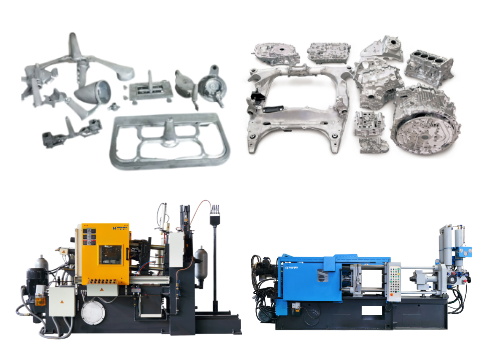
Die casting used reason includes efficient production of parts with complex geometries, suitable for mass production and so on. Why die casting is used? Because die casting is an efficient metal casting process that can produce metal parts with complex geometries and precise dimensions. This process uses high pressure to inject molten metal into a […]
Metallic Lightweight Materials Global Market Report 2025
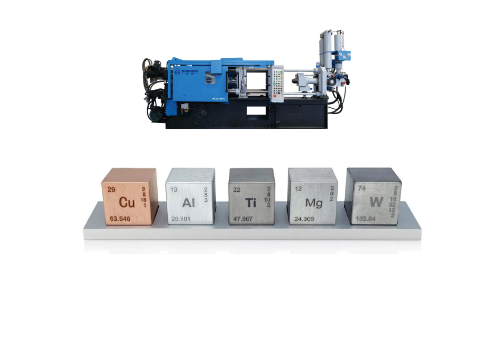
Metallic Lightweight Materials Market continues to grow, driven by both environmental policies and technological innovations. With the Asia-Pacific region becoming the growth engine, while high-end applications such as aerospace titanium alloys are still dominated by Europe and the United States. In the future, material performance optimization, cost control and recycling technology will be the key […]
Benefits of Metallic lightweight materials
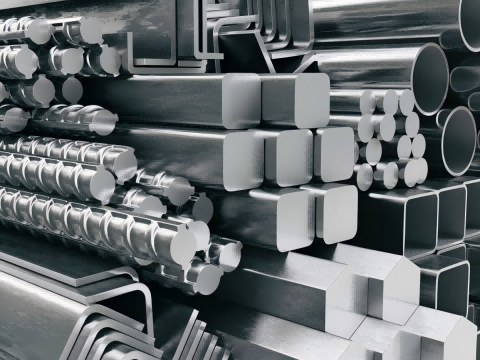
Lightweight metals die casting guide for aluminum and magnesium. Learn weight reduction benefits for performance, cost, and efficiency. Lightweight metals like aluminum and magnesium are transforming the die casting industry. A 10% reduction in part weight can improve fuel economy by 6-8% in automotive applications or extend electric vehicle range by a similar margin. In […]
Metallic lightweight materials properties and production
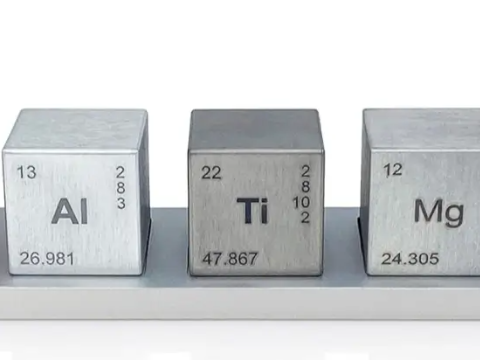
Metallic lightweight materials properties and production includes main types, production methods, microstructure and so on. Metallic lightweight materials have the characteristics of low density and high strength. They widely use in aerospace, automobile manufacturing, defense industry and other fields.The main properties of these materials include excellent strength, corrosion resistance, good machinability, and excellent thermal and electrical […]
Selecting the right Metallic lightweight materials
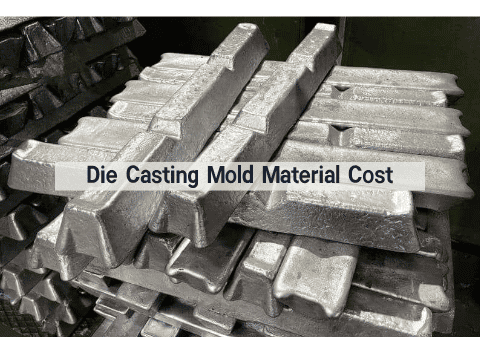
SWhat are die casting metallic lightweight materials? These are non-ferrous alloys—primarily aluminum, magnesium, and zinc—that manufacturers inject into a mold cavity under high pressure to produce complex, high-precision parts. These materials offer a unique combination of high strength, low density, and excellent corrosion resistance, making them ideal for applications across automotive, aerospace, and consumer electronics industries. […]
Application of Metallic lightweight materials
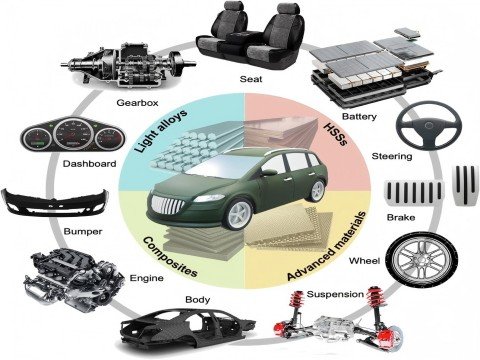
Lightweight metal alloys like aluminum and magnesium are transforming how products are made — lighter, stronger, and more efficient. This guide explains why they matter and where they’re used. If you’re making parts for cars, planes, electronics, or even everyday products, weight matters. Heavier parts cost more to ship, consume more energy, and can limit […]
How to reduce porosity in die casting?
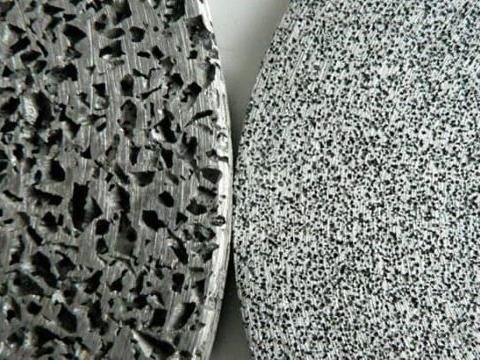
To reduce porosity in die casting through the systematic integration of process parameter optimization, mold venting design, vacuum/degassing technology, and numerical simulation. Reducing porosity in die casting is crucial for improving the mechanical properties and surface finish of the final product. Through the systematic integration of process parameter optimization, mold venting design, vacuum/degassing technology, and […]
Gas Porosity in die casting
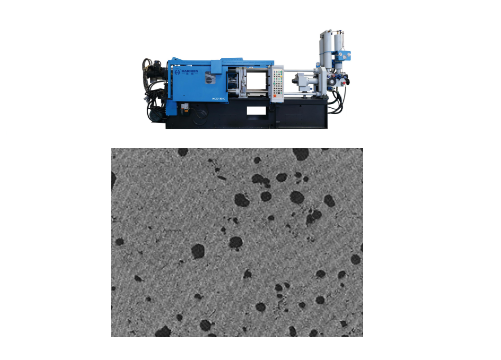
Gas Porosity refers to the bubbles or holes formed when the gas in the molten metal does not completely escape and solidifies during the die casting process. Gas Porosity Morphology Usually round or oval in shape, with a smooth surface and a diameter ranging from microns to millimeters. Distribution Due to the buoyancy of gases, […]
Shrinkage porosity in die casting
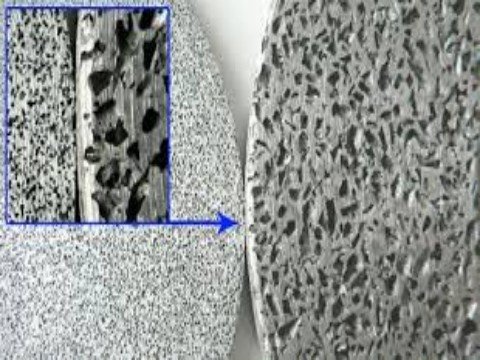
Shrinkage defects are those cavities inside the parts that reduce strength; if they are on the surface, they reduce aesthetics and corrosion resistance. It is also very important to be able to differentiate between shrinkage cavities and gas bubbles: cavities from gas bubbles are always round, whereas shrinkage cavities due to lack of material have […]
What Causes Porosity in die casting
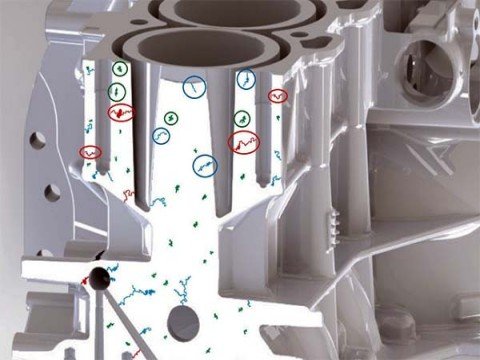
Porosity in die casting is primarily caused by trapped air or gas within the mold cavity, improper gating and venting designs, insufficient compaction of the molten metal, and variations in the injection process such as speed and pressure. Die casting is a highly efficient manufacturing process used to produce complex metal parts with tight tolerances. […]