Die cast machine tie bar is critical components that maintain the structural integrity of the machine during the high-pressure die casting process. Over time, tie bars can experience wear, stretching, or damage due to the extreme forces and thermal cycling they endure. Repairing and machining tie bars is a specialized process that requires precision and expertise.
For die casting machine tie bar repair and machining mainly includes these basic steps.We need to initial inspection to check and evaluate damage severity through visual inspection, non-destructive testing, and dimensional measurement. Then to determine what is the repair method. Small, non-penetrating cracks may be repaired by welding. And for severe damage warrants replacement.
Die cast machine tie bar repair and machining means checking, welding, turning, grinding, or replacing worn or damaged tie bars to restore size and strength. This article first explains common tie bar failures and how to find them. It then describes main repair methods and key points. Next, it covers how tie bar accuracy affects machine performance.
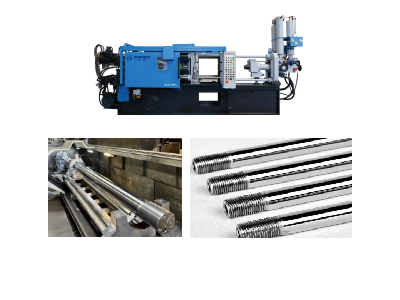
Role and Importance of die cast machine tie bars
- Principle
- function
- material
- importance
Principle
The tie bar is a critical component in a die-casting machine, used to maintain the closure of the mold.
Function
Its primary function is to apply pressure to ensure that the mold does not separate during the high-pressure injection process.
Material
Tie bars are typically made of high-strength steel and are operated by heavy-duty mechanical arms.
Importance
During the die-casting process, tie bars are subjected to significant mechanical stress, so their condition directly affects the quality of the die-cast parts and production efficiency.
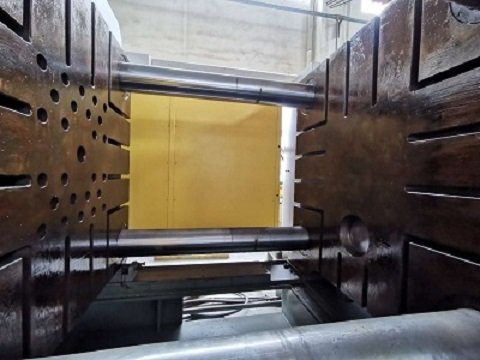
Common Tie Bar Failures and Inspection
Tie bars are key parts of the clamping system. They take repeated loads and often fail in several ways.
There are some common reasons of die casting machine tie bar break
Fatigue Fracture
- Cracks start at thread roots or step changes from repeated clamping force
- Signs before break: unstable clamping force, more noise
- Regular non-destructive testing finds cracks early
- Broken bars need full replacement, high cost, long lead time
Surface Galling
- Poor lubrication or hard particles between tie bar and guide bushing
- Axial scratches, depth from 0.1mm to several mm
- Galling increases movement resistance, uneven clamping force
- Light scratches can grind, deep ones need weld build-up
Bending
- Off-center clamping force or non-parallel mold mounting bends the bar
- Bent bars cannot transfer force evenly, more flash on castings
- Check method: put bar on V-blocks, measure runout with dial gauge
- Bend over 0.2mm/m needs straightening or replacement
Thread Wear
- Long-term movement between adjustment nut and tie bar thread
- Larger thread clearance, poor clamping force holding
- Severe wear needs new bar or nut
- Regularly check thread fit, adjust as needed

Main Die Cast Machine Tie Bar Repair Methods
Different repair methods suit different damage levels. The goal is to restore original size and performance.
Weld Repair
- For surface galling over 0.5mm deep or local pits
- Use filler metal matching tie bar base, usually low-hydrogen electrodes
- Preheat to 150-200°C before welding, cool slowly to avoid hydrogen cracking
- Stress relief annealing after welding
Turning and Grinding
- Rough turn after welding, leave grinding allowance
- Finish grind to h6 or f7 tolerance, surface roughness Ra0.8μm
- Repair threads on lathe or thread grinder
- Check straightness and roundness after machining
Straightening
- Cold straightening for bend under 0.5mm/m
- Use press to apply reverse force at bend point, step by step
- Hot straightening for larger bend, heat below 400°C
- Stress relief after straightening
Hard Chrome Plating
- For tie bars needing high surface quality
- Plate thickness 0.03-0.05mm, better wear resistance
- Grind to final size after plating
- Good for light wear or as preventive measure
Common Issues and Repairs of die cast machine tie bars
Over time, the die casting machine tie bars may experience wear, corrosion, or even breakage. These issues can lead to misalignment of the mold, deformation of die-cast parts, or production interruptions. To address these problems, repairs typically include the following steps:
- Inspection and Assessment
- Surface Treatment
- Replacement or Repair of Critical Components
Inspection and Assessment
Use tools such as micrometers to measure the dimensions and wear of the tie bars, ensuring they meet design specifications.
Surface Treatment
For tie bars with severe surface corrosion or wear, repairs can involve grinding, polishing, or applying anti-corrosion coatings.
Replacement or Repair of Critical Components
If the tie bars are severely damaged, it may be necessary to replace them or repair critical areas such as bolt holes or connecting parts.
Machining and Adjustment of Tie Bars
- Alignment and Calibration
- Fastening and Testing
- Regular Maintenance
After repair, tie bars in die casting require precise machining and adjustment to ensure proper functionality. Specific steps include:
Alignment and Calibration
Use alignment pins and guide rails to ensure the precision of the tie bar measurment system in die casting relative to the mold.
Fastening and Testing
Tighten all bolts using a torque wrench and conduct preliminary tests under low-pressure conditions to ensure proper fit between the tie bars and the mold.
Regular Maintenance
Periodically inspect the wear condition of the tie bars and the status of fasteners, performing lubrication or replacement as needed.
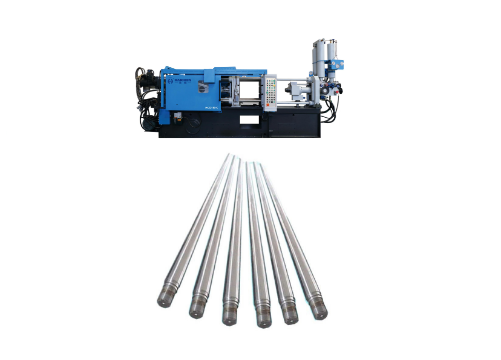
Precautions and Safe Operation
- Safe Operation
- Cleaning and Protection
- Professional Guidance
When repairing and machining tie bars, we should observe the following precautions:
Safe Operation
Ensure the die-casting machine is completely shut down before performing any operations to avoid accidents caused by machine movement.
Cleaning and Protection
Keep the surface of tie bars clean during handling to prevent dust and impurities from affecting repair quality.
Professional Guidance
For complex repair tasks, consult professional technicians or refer to the maintenance manual provided by the equipment manufacturer.
The repair and machining of tie bars in die-casting machines require comprehensive consideration of their structural characteristics, operating environment, and production requirements. Through scientific repair methods and advanced technical support, the service life of tie bars can be effectively extended, and the stability of die-casting production can be improved.
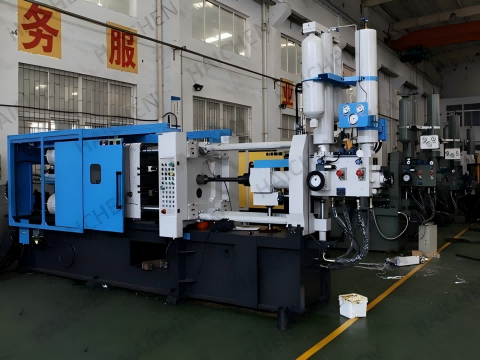
Haichen Die Cast Machine Tie Bar
Haichen is a well-known manufacturer of die-casting machines and related components. We mainly supply cold chamber, hot chamber die casting machines and auxiliary equipments. Tie bars are critical components in die-casting machines, as they provide the necessary clamping force to keep the mold closed during the high-pressure injection of molten metal. Haichen’s tie bars are designed to meet the demanding requirements of die-casting operations, ensuring durability, precision, and reliability.
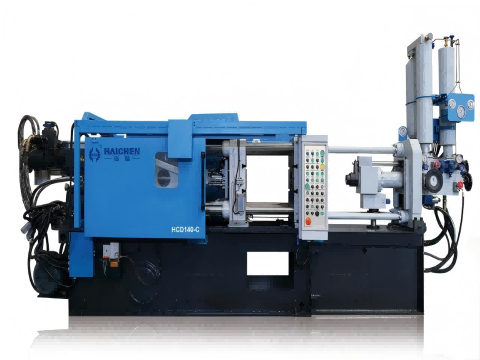

HAICHEN Tie Bar Repair Advantages
- Special machines for large tie bar machining, good precision
- One-stop service: welding, heat treatment, grinding, plating
- Original factory size, perfect fit with nuts after repair
- On-site inspection and installation guidance
Haichen Tie Bar Specifications
Tie rods are a critical component of die-casting machine clamping systems. Haichen’s design ensures strength, rigidity and dimensional accuracy under high-load conditions.
Each tie rod undergoes induction hardening and precision machining to ensure consistent surface finish, durability and excellent alignment performance during operation.
Manufactured from high-quality aluminium alloy, these tie rods offer high tensile strength, excellent fatigue resistance and uniform stress distribution.
Designed to withstand demanding mechanical environments, the tie rods help maintain precise mould positioning and ensure smooth clamping performance throughout extended production cycles.


