A die casting heating bush helps control temperature around the metal injection and feeding area of a die casting machine.
By keeping the metal and related components at a stable temperature, it can reduce premature solidification and improve filling consistency.
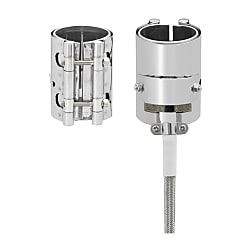
This component is especially useful when heat loss around the injection area affects casting quality or production stability.
However, choosing a heating bush is not simply a matter of selecting the highest heating power.
The alloy, operating temperature, machine design, heating area, sensor type, and installation conditions all matter.
This guide explains how a die casting heating bush works, why it matters, and how to select and maintain one for industrial production.
What Is a Die Casting Heating Bush?
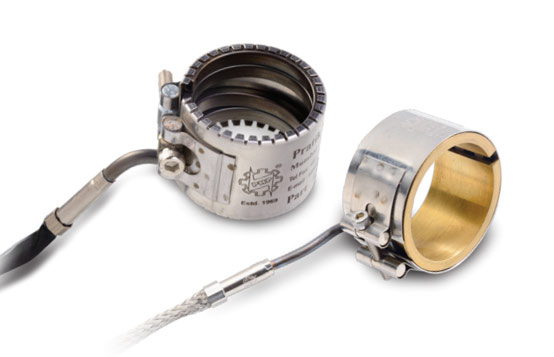
A die casting heating bush is a heating component designed to provide controlled heat around a specific area of a die casting machine, such as a sprue sleeve, injection passage, or other metal feeding area.
During die casting, molten metal can lose heat as it moves through the feeding and injection system.
If the temperature drops too much, the metal may become less fluid before it reaches the mold cavity.
As a result, manufacturers may see problems such as:
- Incomplete filling
- Cold shuts
- Poor surface quality
- Unstable casting weight
- Increased scrap rates
A suitable heating bush helps reduce this temperature loss and keeps the injection area within the required process window.
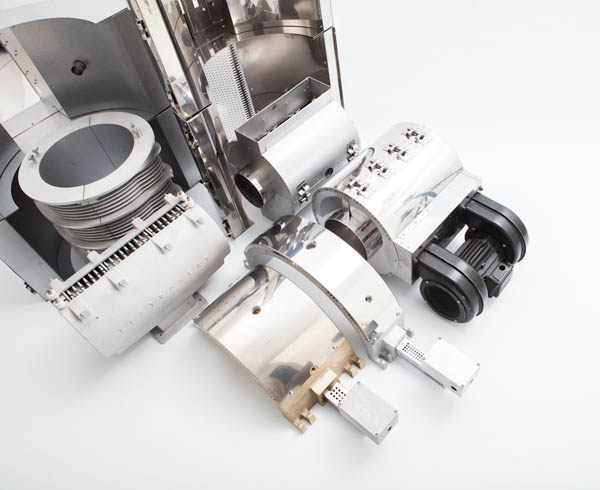
How Does a Die Casting Heating Bush Work?
The basic principle is simple.
The heating bush converts electrical energy into heat. The heat then transfers to the surrounding metal-contact or machine components.
At the same time, a temperature sensor monitors the heating area. A temperature controller can adjust the heating output according to the actual temperature.
Therefore, the system can maintain a more stable thermal condition during production.
Heating the Injection Area
The heating bush supplies heat to the area that needs temperature control.
This is important because the injection system may lose heat during continuous production, especially when the surrounding environment has a lower temperature.
With proper heating, the temperature drop can be reduced.
Reducing Heat Loss
A heating bush does more than simply increase temperature.
It also helps compensate for heat lost from the injection area to the machine structure and surrounding air.
Consequently, the die casting machine can maintain a more stable thermal balance.
Supporting Stable Metal Flow
Stable temperature supports stable metal fluidity.
When molten metal maintains the required temperature, it can flow into the mold more consistently.
This is particularly important for parts with thin walls, narrow gates, or complex geometries.
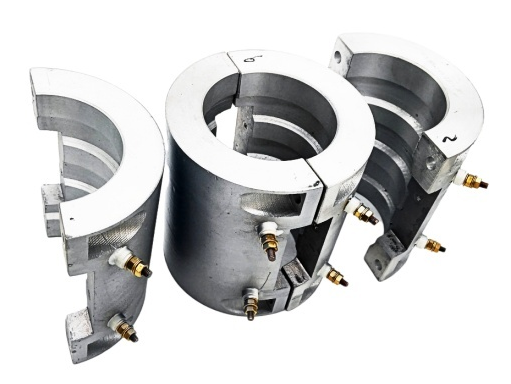
Why Is a Heating Bush Important in Die Casting?
Temperature control directly affects die casting quality.
If the injection system becomes too cold, molten metal can lose fluidity before filling the cavity. On the other hand, excessive heating can increase thermal stress and accelerate component wear.
For this reason, the goal is not simply “more heat.” The goal is stable and controlled heat.
Prevent Premature Solidification
A suitable heating bush helps reduce excessive heat loss before injection.
As a result, the molten metal remains fluid for longer and can fill the mold cavity more effectively.
Improve Filling Stability
Stable temperature can make the filling process more consistent from cycle to cycle.
This is particularly useful in high-volume production, where even small temperature changes can affect thousands of parts.
Reduce Casting Defects
Temperature instability may contribute to defects such as:
- Cold shuts
- Incomplete filling
- Flow marks
- Surface defects
- Inconsistent casting quality
Of course, not every casting defect comes from temperature. Mold design, injection speed, alloy quality, lubrication, and venting also play important roles.
Nevertheless, stable thermal conditions provide a stronger foundation for process control.
Improve Production Consistency
Once the heating system reaches a stable operating condition, the machine can maintain more consistent thermal performance during long production runs.
Therefore, manufacturers can reduce repeated process adjustments and improve production repeatability.
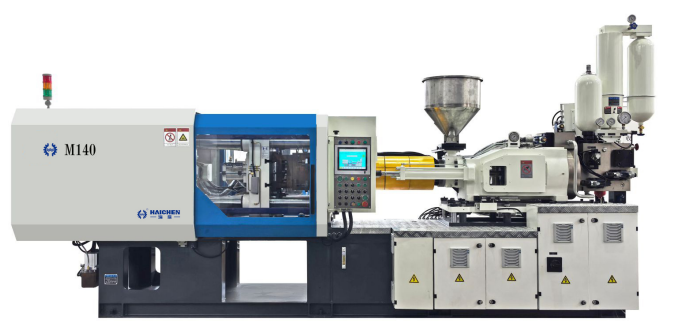
How to Choose a Die Casting Heating Bush
Choosing the correct heating bush requires more than checking its dimensions.
Before purchasing, evaluate the following factors.
Alloy and Operating Temperature
Start with the alloy used in production.
Different alloys require different processing temperatures and thermal conditions. Aluminum, zinc, and magnesium alloys do not have the same temperature requirements.
Therefore, the heating bush should match the actual process temperature rather than use a universal specification.
Heating Power
Heating power determines how quickly the heating bush can reach the required temperature and compensate for heat loss.
Too little power may result in slow heating and unstable temperature.
However, excessive power can cause overheating, unnecessary energy consumption, and greater thermal stress.
The correct power depends on factors such as:
- Heating area
- Component size
- Target temperature
- Heat loss
- Insulation
- Production cycle
Size and Machine Compatibility
The heating bush must physically match the die casting machine and the component that requires heating.
Check:
- Outside diameter
- Inside diameter
- Length
- Installation position
- Electrical connection
- Mounting method
A correct mechanical fit improves heat transfer and reduces installation problems.
Temperature Sensor and Control
Temperature measurement is another key factor.
A heating bush should work with a suitable temperature sensor and controller.
Accurate feedback allows the control system to adjust heating output according to the actual temperature.
Therefore, manufacturers should check sensor type, installation position, temperature range, and controller compatibility before installation.
Insulation and Heat Distribution
Good insulation helps direct heat toward the target area instead of allowing it to escape into the surrounding machine structure.
In addition, uniform heat distribution can reduce local hot spots.
This helps protect both the heating component and nearby machine parts.
| Selection Factor | What to Check | Why It Matters |
|---|---|---|
| Alloy | Aluminum, zinc, magnesium, etc. | Determines operating temperature |
| Heating temperature | Required working temperature | Prevents overheating or insufficient heating |
| Heating power | Heater capacity | Controls heating speed |
| Bush size | Diameter and length | Ensures machine compatibility |
| Sensor | Type and position | Improves temperature accuracy |
| Insulation | Insulation structure | Reduces heat loss |
| Machine model | Machine configuration | Ensures proper installation |
| Production cycle | Cycle time and workload | Affects heater durability |
Common Die Casting Heating Bush Problems and Solutions
Even a properly selected heating bush can develop problems during long-term operation.
Heating Bush Does Not Reach the Set Temperature
Possible causes include:
- Heater damage
- Insufficient heating power
- Loose electrical connections
- Incorrect temperature sensor readings
- Excessive heat loss
First, check the electrical connection and heating element.
Next, inspect the temperature sensor and controller.
If the heating element has failed, replacement may be necessary.
Uneven Heating
Uneven heating can result from poor contact, incorrect installation, damaged insulation, or an unsuitable heating element.
In this case, check whether the heating bush fits correctly around the target component.
Also inspect the temperature sensor position and insulation condition.
Slow Heating
Slow heating may indicate insufficient power or excessive heat loss.
For example, if the surrounding area removes heat faster than the heater can supply it, the system may take a long time to reach the target temperature.
Therefore, check the heating power, insulation, and installation conditions together.
Temperature Fluctuation
Temperature fluctuations may come from:
- Sensor problems
- Controller settings
- Unstable electrical supply
- Poor heat transfer
- Incorrect heating power
A stable feedback loop is essential for consistent die casting production.
Die Casting Heating Bush Installation and Maintenance
Proper installation can significantly affect service life.
Check Electrical Connections
Before operation, inspect terminals, cables, connectors, and grounding.
Loose connections can create unstable heating or increase electrical risks.
Keep the Heating Area Clean
Metal residue, lubricant, dust, and other contaminants can affect heat transfer.
Therefore, clean the heating area regularly according to the machine manufacturer’s maintenance requirements.
Inspect Temperature Sensors
A damaged or poorly positioned sensor can provide incorrect temperature feedback.
As a result, the heating system may overheat or fail to reach the required temperature.
Regular inspection helps prevent this problem.
Avoid Sudden Temperature Changes
Rapid heating and cooling can increase thermal stress.
Where possible, follow a controlled preheating procedure and allow the component to reach the required operating temperature before full production.
Heating Bush vs. Other Die Casting Heating Methods
A heating bush is only one method of thermal management.
Depending on the machine design, manufacturers may also use:
- Cartridge heaters
- Band heaters
- Heating rods
- Mold temperature controllers
- Oil heating systems
- Water temperature control systems
Each solution has a different application.
For example, a heating bush is suitable when the manufacturer needs localized heating around a specific cylindrical or injection-related component.
A mold temperature controller, by comparison, manages the temperature of the die through a circulating heating or cooling medium.
Therefore, these systems should not be treated as direct substitutes.
The correct choice depends on where the heat is required and how precisely the temperature must be controlled.
Frequently Asked Questions
What is a heating bush used for in die casting?
A heating bush provides localized heat to help maintain a stable temperature around a specific part of the die casting injection or feeding system.
Can a heating bush be used for aluminum die casting?
Yes, a suitable heating bush can be used in aluminum die casting when its temperature range, heating power, dimensions, and machine compatibility meet the application requirements.
How do I choose heating power?
Consider the target temperature, heating area, component size, heat loss, insulation, and production cycle. Higher power is not always better.
Why does a heating bush overheat?
Possible causes include excessive heating power, incorrect sensor readings, poor temperature control, or improper installation.
How often should a heating bush be replaced?
There is no universal replacement interval. Service life depends on operating temperature, production hours, heating cycles, electrical conditions, and maintenance.
Inspect the component regularly and replace it when heating performance becomes unstable or the heating element shows signs of damage.
Haichen Die Casting Heating Solutions
Haichen provides die casting equipment and related components for industrial metal casting applications.
When selecting a heating solution, Haichen can evaluate the machine model, alloy, operating temperature, heating area, installation dimensions, and production requirements to determine a suitable configuration.
For manufacturers dealing with unstable injection temperatures or heat loss around the feeding system, the right heating solution can help improve process stability and reduce unnecessary production adjustments.


