A connecting rod in a die casting machine is an important mechanical part used to transfer force and motion between components of the injection system.
It must work under repeated loads during every injection cycle. Therefore, the rod needs good strength, accurate dimensions, and reliable connections.
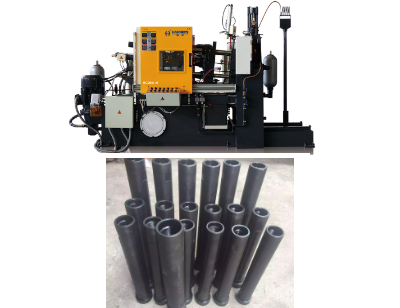
However, choosing a connecting rod is not simply about finding a part with the right length.
The machine model, injection system, load, material, connection method, and operating conditions should all be considered.
In this guide, we explain what a die casting machine connecting rod does, what materials are commonly used, how to select one, and when it should be replaced.
What Is a Connecting Rod in a Die Casting Machine?
A connecting rod is a mechanical link used to transfer movement and force between parts of a die casting machine.
In a die casting machine, the connecting rod may be part of the injection mechanism or other mechanical linkage, depending on the machine design.
During operation, the injection system must move quickly and generate high force to push molten metal into the die cavity. Therefore, the connecting rod must remain stable during repeated machine cycles.
A properly designed connecting rod helps:
- Transfer mechanical force
- Maintain accurate movement
- Support repeated machine cycles
- Keep connected parts aligned
- Reduce mechanical vibration and wear
In short, the connecting rod is a small part, but it can have an important effect on machine performance.
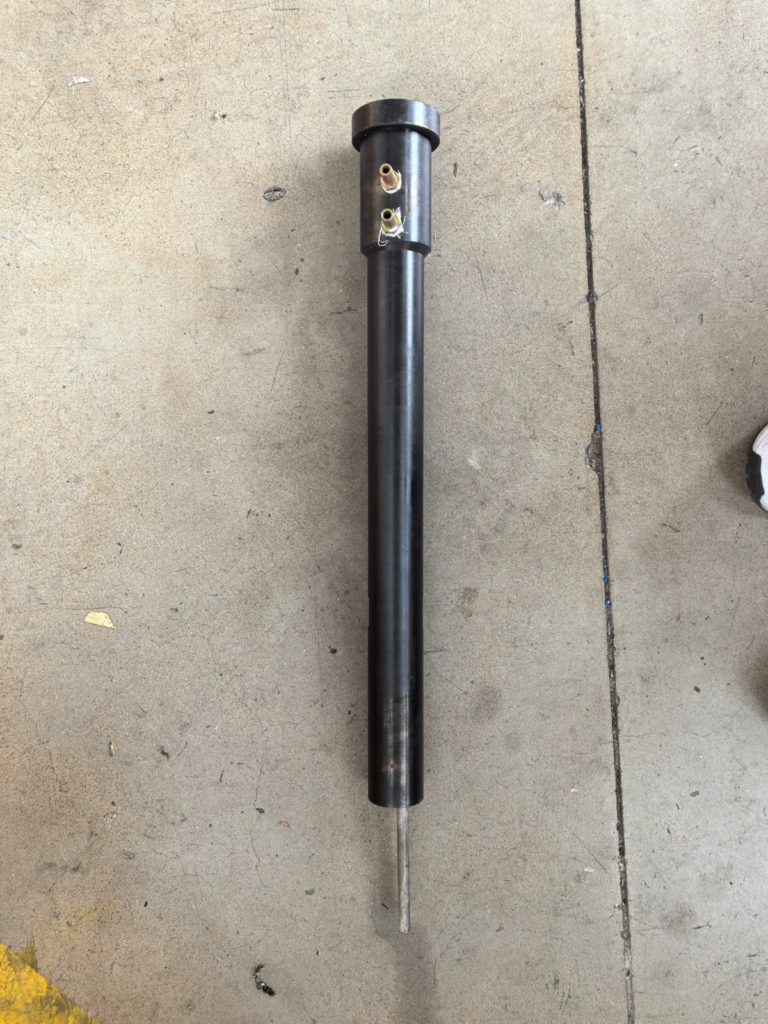
Why Is the Connecting Rod Important?
The injection system of a die casting machine works under high mechanical loads.
For example, the injection mechanism needs to move the plunger forward at high speed and then maintain sufficient force during pressure application.
Therefore, the connecting rod must have enough mechanical strength to handle repeated loads.
In addition, accurate alignment is important.
If the connecting rod becomes bent, worn, or loose, the connected components may not move correctly. As a result, the machine may experience abnormal noise, vibration, uneven movement, or reduced injection performance.
Therefore, the condition of the connecting rod should be checked as part of regular machine maintenance.
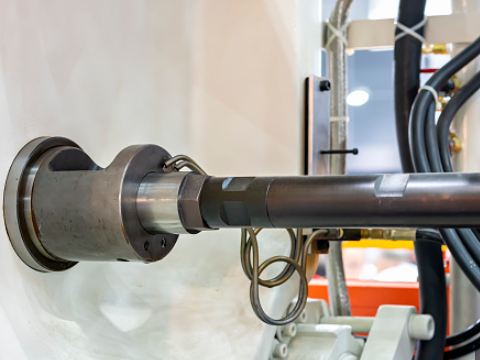
What Materials Are Used for Die Casting Machine Connecting Rods?
The material depends on the machine design, load, size, and manufacturer requirements.
Steel Connecting Rods
Steel is commonly used for heavily loaded mechanical components because it provides good strength and wear resistance.
For a die casting machine, the connecting rod may need to withstand repeated tensile, compressive, and bending loads. Therefore, a suitable steel grade can provide reliable long-term operation.
Heat treatment may also be used to improve hardness and mechanical performance.
Heat-Treated Steel
For high-load applications, heat-treated steel can provide a better balance of strength and toughness.
However, the exact material and heat-treatment process should follow the original machine design.
Therefore, users should not replace the original material with another steel grade without checking the manufacturer’s specifications.

Other Materials
Some machine designs may use different materials or surface treatments for specific components.
However, the material should always match the original design requirements.
When ordering a replacement connecting rod, the machine model and original part specifications are more important than simply choosing a material with a higher strength value.
How to Select a Die Casting Machine Connecting Rod
Choosing the correct connecting rod requires more than checking its appearance.
1. Check the Die Casting Machine Model
First, identify the exact machine model.
Different machines may use connecting rods with different:
- Lengths
- Diameters
- Connection methods
- Hole positions
- Thread specifications
- Surface treatments
Therefore, the machine model should be the first piece of information provided to the supplier.
2. Check the Original Part Dimensions
Next, measure the original connecting rod.
Important dimensions may include:
- Overall length
- Rod diameter
- Hole diameter
- Center-to-center distance
- Thread size
- Connection position
If the original part is still available, photographs and dimension drawings can also help the supplier identify the correct replacement.
3. Check the Working Load
The connecting rod must withstand the load generated by the machine.
A rod that is too small or has insufficient strength may deform or fail during operation.
Therefore, the replacement part should meet or exceed the original design requirements.
4. Check Material and Heat Treatment
Material is another important factor.
A suitable connecting rod should have the required strength, toughness, and wear resistance.
Furthermore, if the original rod uses heat treatment, the replacement should follow the same or an approved process.
5. Check Connection and Alignment
The connecting rod must fit correctly with the connected components.
Even a strong rod can cause problems if its hole position or connection dimensions are incorrect.
Therefore, check the alignment carefully before installation.
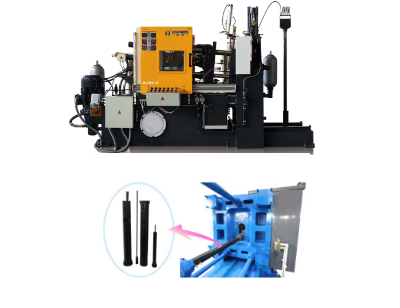
Common Connecting Rod Problems
A connecting rod can gradually wear after many production cycles.
The most common problems include:
Wear
Continuous movement can cause wear around connection holes, pins, threads, or contact surfaces.
As a result, the connection may become loose.
Bending or Deformation
Excessive load, incorrect alignment, or mechanical failure can cause the rod to bend.
A deformed rod should not continue working because it may damage other components.
Cracks
Cracks can develop after long-term repeated loading or abnormal operating conditions.
If a crack is found, the connecting rod should normally be replaced rather than repaired without proper engineering evaluation.
Loose Connections
Loose bolts, pins, or other connection parts can create abnormal movement.
Therefore, maintenance staff should check the connecting rod and its connection points during regular inspections.
When Should You Replace the Connecting Rod?
There is no single replacement interval that applies to every die casting machine.
Instead, replacement should depend on the machine design, production cycle, operating load, and actual part condition.
Consider replacement when you find:
- Visible cracks
- Serious bending
- Excessive wear
- Loose connection holes
- Abnormal vibration
- Unusual mechanical noise
- Reduced injection performance
In addition, if a connecting rod has already exceeded its expected service life, preventive replacement may help avoid unexpected downtime.
How to Maintain a Connecting Rod
Good maintenance can extend the service life of the connecting rod and other mechanical parts.
Regular Inspection
First, inspect the rod and its connection points regularly.
Look for cracks, deformation, wear, and loose fasteners.
Check Lubrication
If the connecting rod works with moving pins or other lubricated parts, maintain the correct lubrication condition.
Proper lubrication can reduce friction and wear.
Check Alignment
Misalignment can increase mechanical stress.
Therefore, check whether the connected components remain properly aligned during maintenance.
Replace Damaged Parts Early
Finally, do not wait until a damaged connecting rod causes a machine shutdown.
Replacing a worn part early can help prevent damage to more expensive components.
How to Order the Correct Connecting Rod
When purchasing a replacement connecting rod, provide the supplier with as much information as possible.
Ideally, provide:
- Die casting machine brand
- Machine model
- Machine serial number
- Original part number
- Connecting rod dimensions
- Photos of the original part
- Application position
- Required quantity
This information allows the supplier to identify the correct component more quickly.
For custom parts, a technical drawing or sample can make the process even easier.
Die Casting Machine Parts from Haichen
Haichen provides die casting machines and related components for different production applications.
When selecting a replacement connecting rod, the supplier should first confirm the machine model, installation position, dimensions, material requirements, and operating conditions.
This approach is more reliable than choosing a connecting rod only by appearance or size.
If you need a connecting rod or other die casting machine spare parts, provide the machine model and photos of the original component.
The technical team can then help confirm the required specifications.


