Die casting nozzle selection tips includes diameter and size, heat and surface treatment, nozzle sealing and maintenance and so on.
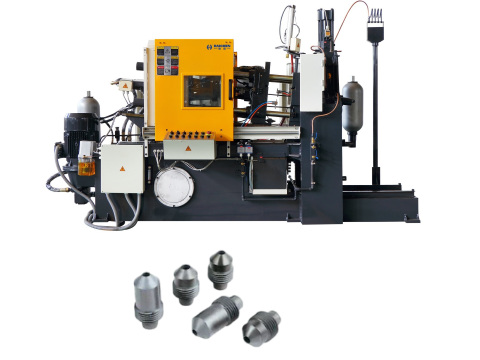
Nozzle selection in die casting depends on alloy type, part wall thickness, and sprue bushing size. You must determine its bore diameter, length, heating method, and sealing design. This article covers four aspects: core functions, matching length and diameter, heating and temperature control, and sealing with maintenance.
Nozzle selection involves bore diameter, length, heating, and sealing. For aluminum, choose 6-16mm bores. For zinc, choose 4-10mm. Make the exit diameter 0.5-1.0mm smaller than the sprue bushing inlet. Protrude the nozzle 5-8mm beyond the platen to preload. Use electric heating bands. Set aluminum nozzle temperature at 580-620°C, zinc at 400-420°C. The sealing surface must contact 80% or more of the bushing. Check for leaks every shift. For a zinc handle case, switching from a 6mm to a 7mm nozzle cut flow mark defects from 12% to 1.5% and raised yield to 97%. Proper nozzle selection directly improves casting quality and production stability.
When selecting a die casting nozzle, you need to consider multiple factors to ensure that the nozzle can meet the requirements of the die casting process and extend its service life. And we will talk about it from below aspects:
- Main Function of die casting nozzle
- Die casting nozzle diameter and size selection
- Heat treatment and surface treatment
- Die Casting Nozzle Sealing and Maintenance
- Case study of Haichen hot chamber die casting nozzle selection
Main Function of die casting nozzle
The nozzle connects the gooseneck or shot sleeve to the mold sprue bushing. It is the last channel before molten metal enters the cavity.
- Metal guiding and acceleration
- Preventing heat loss
- Sealing with the sprue bushing
- Quick change ability
Metal guiding and acceleration
The nozzle channel narrows from inlet to outlet. This design increases metal speed, helping thin-wall filling. It is recommend that the outlet area should be 1.2 to 1.5 times the ingate area.
Preventing heat loss
The nozzle sits between the mold and the injection unit. It has a large cooling surface. Excessive temperature drop can freeze metal inside the nozzle. For aluminum, keep the nozzle at 600-650°C, lower than the furnace but above the liquidus.
Sealing with the sprue bushing
The nozzle front forms a conical or spherical seal with the sprue bushing. Poor sealing causes metal leakage, flash, and even safety hazards. Selection tips for nozzle in die casting require matching taper angles and a contact band width of at least 3mm.
Quick change ability
Different products may need different nozzle bores. Use threaded or flanged connections for easy removal. Aim for a change time under 10 minutes to reduce downtime.
Die casting nozzle diameter and size selection
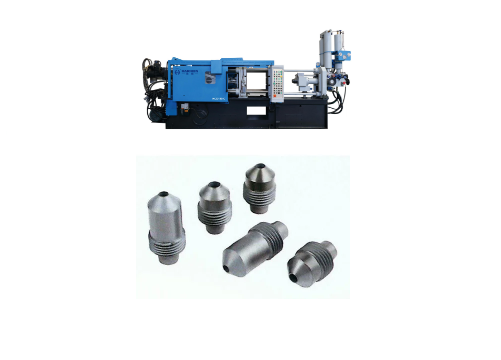
The diameter and shape of the nozzle need to be selected according to the size, weight and material properties of the die casting.
A larger nozzle diameter can reduce pressure loss, but may increase cost and maintenance difficulty. Common nozzle shapes include flat nozzles and extended flat nozzles, which show good performance under different conditions.
- Diameter relation to ingate
- Wall thickness vs nozzle size
- Measuring nozzle length
- Nozzle distribution for multi-cavity molds
Diameter relation to ingate
Make the nozzle exit diameter (Dn) 0.5-1.0mm smaller than the sprue bushing inlet diameter (Ds). This step design avoids turbulence at the junction. Too large a nozzle lowers fill speed, causing cold shuts. Too small increases flow resistance, extending fill time.
Wall thickness vs nozzle size
For thin walls under 2mm, use a larger bore (8-12mm) for high fill speed. For thick walls over 5mm, use a smaller bore (5-8mm) to reduce turbulence. Common nozzle bores are 6-16mm for aluminum and 4-10mm for zinc.
Measuring nozzle length
Nozzle length (L) must equal the distance from injection unit end to mold parting line minus 2-3mm of compression margin. Too long damages the sprue bushing. Too short leaks. After installation, the nozzle front should protrude 5-8mm from the platen to preload the bushing.
Nozzle distribution for multi-cavity molds
Cavities farther from the main runner have longer flow paths. Increase their nozzle bores by 0.5-1.0mm to compensate. Verifying through flow simulation that fill time deviation stays within 10% across cavities.
Heat treatment and surface treatment
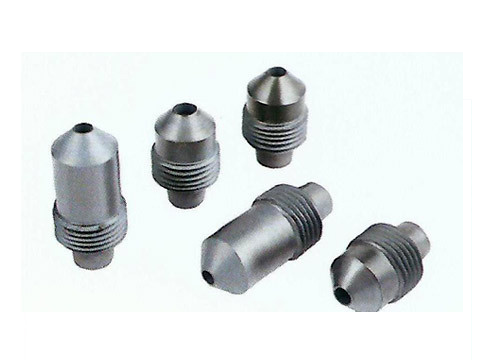
The oxide layer on the nozzle surface will affect its performance. During the die casting process, the nozzle surface will oxidize to form an oxide layer with a high zinc oxide content, which may lead to the loss of alloy components.
When designing and selecting, we should considerthe heat treatment and surface treatment process of the nozzle. Thus it can improve its durability and anti-wear performance.
- Die casting nozzle heating method selection
- Thermocouple placement
- Temperature setting guidelines
- Preventing dry firing
Die casting nozzle heating method selection
Electric heating bands are standard, with power density around 3-5W/cm². For large nozzles or copper alloys, use ceramic internal heaters. Zinc nozzles run cooler (about 420°C), so use lower-density bands.
Thermocouple placement
Install the thermocouple 5-10mm from the nozzle flow path end. This position gives the best reading. Selection tips for nozzle in die casting A thermocouple on the outer wall can read 30-50°C lower than the actual metal temperature, causing overheating.
Temperature setting guidelines
Set nozzle temperature 10-20°C below the furnace and 50-80°C above the mold. For aluminum, aim for 580-620°C. For zinc, 400-420°C. If production stops for over 15 minutes, lower the set temperature by 50-80°C to prevent metal aging inside the nozzle.
Preventing dry firing
Always confirm that metal or a solid plug is inside the nozzle before turning on the heater. An empty nozzle will burn out the heating band. After changing the nozzle, manually inject a small amount of metal before closing the mold.
Die Casting Nozzle Sealing and Maintenance
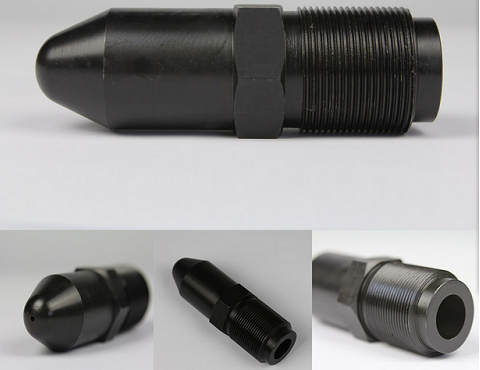
The seal between the nozzle and sprue bushing is the first safety barrier. Inspect it regularly.
- Repairing damaged sealing surfaces
- Seal ring material selection
- Daily inspection items
- Nozzle replacement interval
Repairing damaged sealing surfaces
Use a lathe to resurface pitted or scored conical faces. Then check contact area with red lead compound. Aim for over 80% contact. Replace the nozzle after three major repairs to keep the seal reliable.
Seal ring material selection
For zinc, use ductile iron or beryllium copper rings. For aluminum, use H13 steel rings. Selection tips for nozzle in die casting Do not use copper alloy rings for aluminum, as copper contaminates the melt and causes brittle phases in the casting.
Daily inspection items
Each shift, check for signs of metal leakage at the nozzle-bushing contact. For slight leakage, increase clamping or tie bar tension. Clean flash from the nozzle front to avoid interfering with mold closing. Inspect heating band connections for looseness or discoloration.
Nozzle replacement interval
Replace when wear on the sealing surface causes constant leakage. Also replace when the bore wears by more than 0.3mm. We suggest checking the nozzle during major mold maintenance (every 20,000-30,000 cycles). Preventive replacement avoids sudden in-production failures.
Case study of Haichen hot chamber die casting nozzle selection
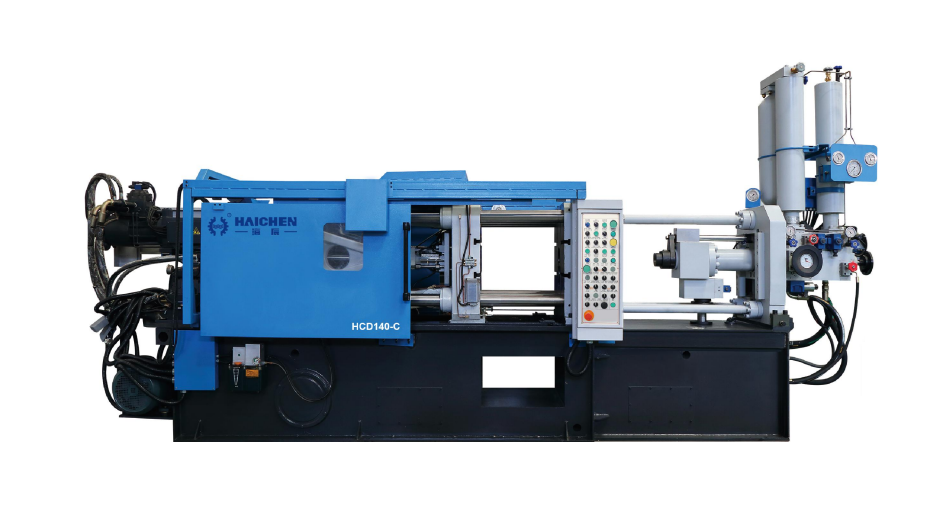
Haichen is one Chinese die casting machine manufacturer for more than 10years. At the same time, we produce both high pressure cold chamber die casting machine , hot chamber die casting machine and spare parts. They have durable and highly precise features.
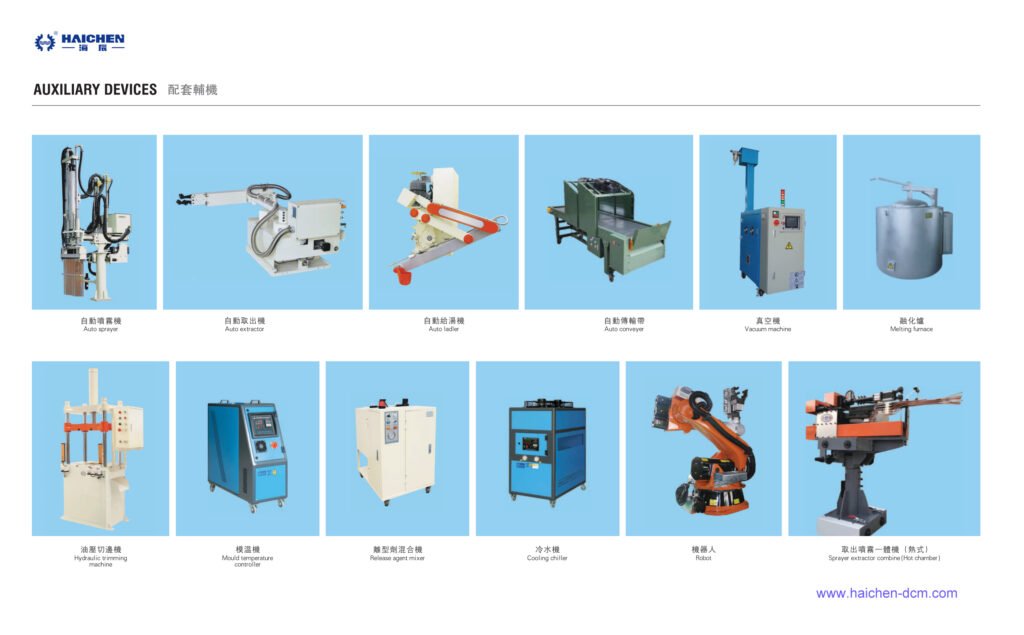
Haichen also produce die casting machine auxiliary equipment. Such as conveyor, vacuum machine, mold temperature controller, industrial robot, sprayer and so on. We supply cold chamber and hot chamber die casting machine spare parts.
HAICHEN engineers resolved surface defects on zinc handles by adjusting the nozzle bore and temperature settings.
- Problem observed
- Analysis and adjustments
- Results
Problem observed
A bathroom hardware maker used a HAICHEN hot chamber machine for zinc faucet handles. Castings showed dark flow marks concentrated in the area farthest from the gate. The defect rate reached 12%.
Analysis and adjustments
The original nozzle had a 6mm bore while the sprue bushing inlet was 8mm. This positive step caused metal to slow down then speed up at the junction, creating turbulence and air entrapment. HAICHEN replaced the nozzle with a 7mm bore, making Dn only 1mm smaller than Ds for a smooth transition. This change reduced turbulence at the nozzle exit.
Nozzle selection Feedback
Dark flow mark defects dropped from 12% to 1.5%. Plated brightness met the customer’s requirements. The nozzle change took only 8 minutes. The customer applied the same change to five other molds, raising average yield to 97%.


