Different Grades of Aluminum and Applications mainly include 6061, 7075, 2024 they use in aerospace, automobile manufacturing and others.
There are many different grades of aluminum, including 6061, 7075, 2024, 3003, 1100, 2011, and 5005. The grade of aluminum you choose depends on the project’s requirements, such as strength, corrosion resistance, and cost.
Die casting aluminum alloys divide into four main series: Al-Si, Al-Si-Mg, Al-Si-Cu, and Al-Mg. ADC12 (Al-Si-Cu) contains 9.6-12.0% silicon, giving the best fluidity and 300-320MPa tensile strength. It accounts for over 70% of all aluminum die casting. A380 (Al-Si-Cu) contains 3.0-4.0% copper for higher hardness and suits general load-bearing parts. A356 (Al-Si-Mg) contains 6.5-7.5% silicon and reaches 280-350MPa tensile strength with 5-7% elongation after T6 treatment. It suits high-toughness structural parts.
The core differences: ADC12 focuses on fluidity and thin-wall forming, A380 focuses on strength and versatility, and A356 focuses on heat treatment and toughness. Choose the right material for cold die casting, the aluminum grade based on wall thickness, mechanical property requirements, heat treatment needs, and the operating environment. With high-precision injection systems (±0.5% repeat accuracy) and high-vacuum assist (cutting porosity by over 70%).
In this blog, we will analyse different grades of aluminium and applications from these alloy composition, classification and applications. Different Grades of Aluminum and die casting materials applications:
- Alloy 6061
- Alloy 7075
- Alloy 2024
- Other different grades of aluminum
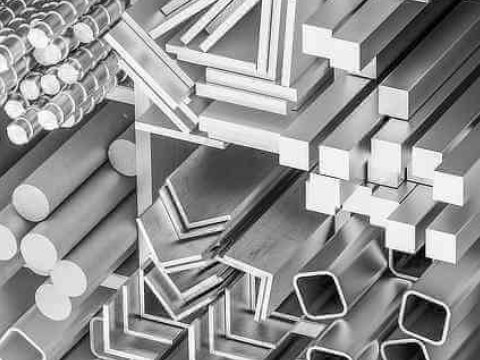
Different Grades of Aluminum and Applications: Alloy 6061
- Alloy Composition and Classification
- Strength and Toughness
- Corrosion Resistance
- Workability of different grades of aluminum and applications
- Applications
A versatile, heat-treatable alloy. That often uses for medium- to high-strength aluminium die casting industry applications.
Alloy Composition and Classification
6061 belongs to the 6xxx series of aluminum alloys. Its primary alloying elements are magnesium (0.8%-1.2%) and silicon (0.4%-0.8%), with minor amounts of copper, chromium, and other elements.
It is a heat-treatable alloy (wrought alloy), whose strength is enhanced through solution treatment and artificial aging (e.g., T6 and T651 tempers).
Strength and Toughness
Medium-to-high strength (lower than the 2xxx/7xxx series but higher than other 6xxx series), with good fatigue resistance.
Corrosion Resistance
Excellent resistance to atmospheric and seawater corrosion, which can be further enhanced by aluminum cladding.
Workability of different grades of aluminum and applications
- Excellent weldability (all methods applicable), but requires post-aging to restore strength.
- It has good adaptability to cold working (T4 temper) and hot working, but its formability is slightly lower than that of soft alloys such as 5052 and 3003.
Applications
Application in Aerospace
Aircraft frames, door frames, and low-load structural components (needing a balance between strength and corrosion resistance)
Missile/spacecraft non-load-bearing components (such as protective plates and flanges)
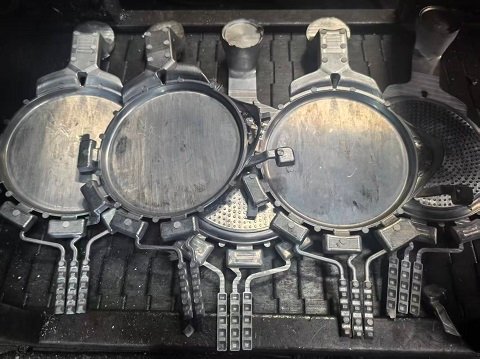
Application in Transportation
Automotive: Frames, wheels, and engine components (requires lightweighting).
Marine: Hull structures and deck fittings (resistance to seawater corrosion)
Industrial and Consumer Products
- Structural components: Building supports, bridges, and scaffolding.
- Consumer Products: Bicycle racks, diving cylinders, camera parts, and furniture
- Electronics: Electrical enclosures, connectors, and valves
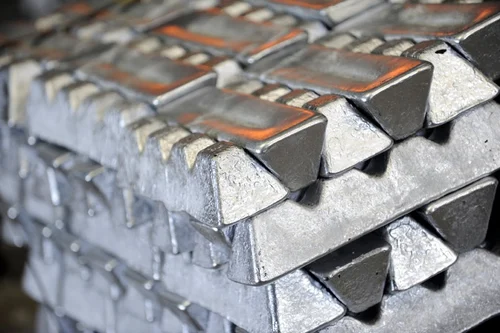
Different Grades of Aluminum and Applications: Alloy 7075
- Core Properties
- Excellent strength-to-weight ratio
- Limitations of different grades of aluminum and applications
- Industry Application Summary
A high-strength alloy with excellent strength-to-weight ratio. It often uses for high-stress parts.
Core Properties
- 7075 belongs to the high-strength aluminum-zinc-magnesium-copper alloy family (7XXX series). Strengthened by heat treatment, its key features include:
- Ultra-high strength: Its strength approaches that of some steels, with a hardness exceeding 150 HB (T6 temper).
Excellent strength-to-weight ratio
It provides high structural strength without sacrificing weight, making it suitable for aerospace applications.
Excellent fatigue performance: It withstands repeated stresses and is suitable for high-vibration environments (such as aircraft components).
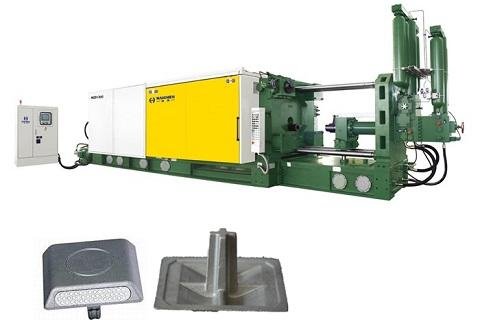
Limitations of different grades of aluminum and applications
- Poor weldability (suitable only for spot welding or flash welding; arc welding or gas welding is not recommended).
- Basic corrosion resistance is moderate, but specific heat treatments (such as T73/RRA) can improve this.
Industry Application Summary
- Aerospace (Core Application): Aircraft skins, engine mounts, and spacecraft structural components (relying on their lightweight and high strength).
- Automotive: High-performance wheels and suspension components (requires impact resistance).
- Sports Equipment: Bicycle frames, carabiners, and golf club heads (high strength and fatigue resistance).
- Industrial Equipment: High-stress molds, machine tool spindles, and robotic joints.

Different Grades of Aluminum and Applications: Alloy 2024
- High Strength and Lightweight
- Fatigue Performance
- Typical Applications
A high-strength alloy with excellent fatigue resistance which often uses in the aerospace industry.
High Strength and Lightweight
2024 aluminum alloy uses copper (Cu) as the primary alloying element (approximately 3.8-4.9%), supplemented by magnesium (Mg) and manganese (Mn).
This alloy exhibits extremely high strength (approximately 50% higher than mild steel) and an excellent strength-to-weight ratio, making it particularly suitable for lightweight structural parts.
Fatigue Performance
It exhibits excellent fatigue resistance under cyclic loading and can withstand high-stress environments for extended periods.
- Corrosion Resistance: Its inherent corrosion resistance is low, typically requiring enhanced protection through anodizing or cladding with pure aluminum (Alclad process).
- Physical Properties: Density approximately 2.77 g/cm³, melting point range 500-640°C, electrical conductivity approximately 30% IACS (International Annealed Copper Standard).
- Machinability: Good machinability, capable of achieving a high-precision surface finish. However, the cutting process can easily cause hardening, requiring experienced operators and carbide tools.
- Formability: Easy to form in both hot and cold conditions in the annealed state (O state). Hot working temperatures should be controlled between 400-500°C.
- Weldability: Weldability is relatively poor. Arc or gas welding is not recommended, but spot welding, seam welding, or flash welding are acceptable. Preheating and post-weld heat treatment are required.
- Heat Treatment: Strength can be further improved through solution treatment (493°C) followed by age hardening.
Typical Applications
Aerospace (Core Applications)
Aircraft structural parts: wings, fuselage skins, landing gear, rivets, and missile components.
Spacecraft fuel tanks and high-stress components.
Transportation
- Truck wheels, suspension components, engine parts, and brake assemblies.
- Military vehicle structural parts (such as armor plates).
Industrial and General Machinery
- High-precision parts: computer components, gears, shafts, valve components, fasteners.
- Tooling and fixtures (utilizing high strength and machinability).
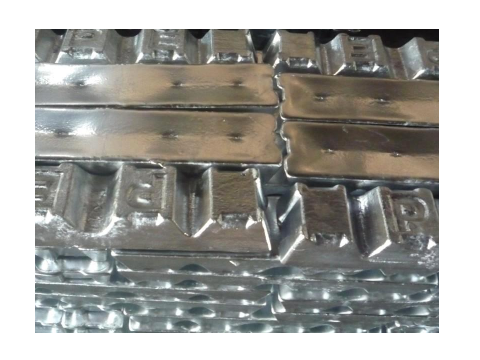
Other different grades of aluminum
- Alloy 3003
- Alloy 1100
- Alloy 2011
- Alloy 5005
Alloy 3003
A commercially pure alloy that contains manganese to increase its strength.
Alloy 1100
A pure aluminum alloy with excellent workability and ductility. That one often uses for challenging forming operations.
Alloy 2011
An alloy with high mechanical strength and excellent machining capabilities that’s often used on automatic lathes.
Alloy 5005
An alloy with medium strength, good weldability, and good corrosion resistance that’s often used in marine atmospheres.
Thus, when choosing an aluminum grade, you can consider things like: corrosion resistance, Workability, Weldability, Strength, Thermal conductivity, Heat treatability, Cost, and End-use.
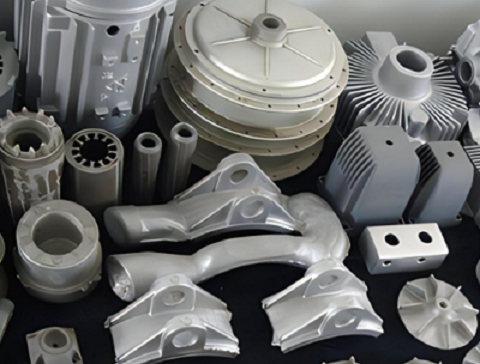
Haichen Different Grades of Aluminum and Applications
Haichen underpins the broader aluminium industry by supporting high-volume production of complementary die-cast components.
- Providing Structural Enclosures for Assemblies
- Achieving Weight Reduction in Multi-Material Designs
- Selecting the Correct Path for Performance
Providing Structural Enclosures for Assemblies
Whilst the internal gears of power tools may be machined from high-strength 7075 alloy, their external enclosures are typically die-cast using A380 alloy on Haichen’s cold-chamber die-casting machines.
These enclosures deliver complex geometries, shielding, and structural support at a low unit cost, perfectly complementing the high-strength internal components.
Achieving Lightweighting in Multi-Material Design
A vehicle dashboard support bracket may employ a hybrid design. Critical load-bearing paths may utilise 6061 extruded profiles, whilst intricate mounting points are produced as A380 die-cast nodes on Haichen die-casting machines.
This approach optimises cost, weight and performance by selecting the optimal process and material for each sub-feature.
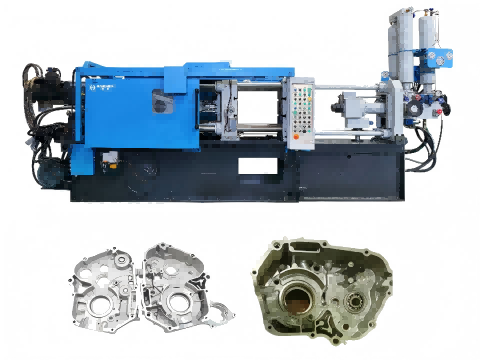
Selecting the Correct Path for Performance
The choice between wrought alloys (6061, 7075, 2024) and die-cast alloys (A380, ADC12) is fundamental. Wrought alloys deliver superior mechanical properties for high-stress components requiring machining or forging.
Die-casting offers unrivalled geometric complexity and cost-effectiveness for high-volume parts. Haichen excels in the latter, providing the reliable, precision machinery required to produce die-cast components. These castings frequently form a vital ecosystem surrounding parts made from alloys such as 6061 and 7075.
HAICHEN’s aluminium technical advantages
HAICHEN machines support a wide range of aluminum grades with ±0.5% injection repeat accuracy, high-vacuum systems (below 50mbar), and rigid platen structures. These features ensure stable production across different alloys.
HAICHEN also provides process support from material selection to parameter optimization, helping customers get the best results from each grade.
Haichen die casting machine
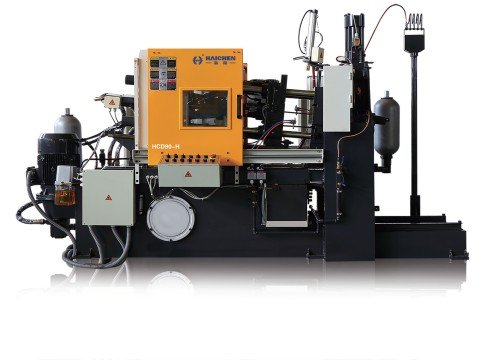
Haichen is one Chinese die casting machine manufacturer for more than 10years. We produce both high pressure cold chamber die casting machine and hot chamber die casting machine.They have durable and highly precise features.
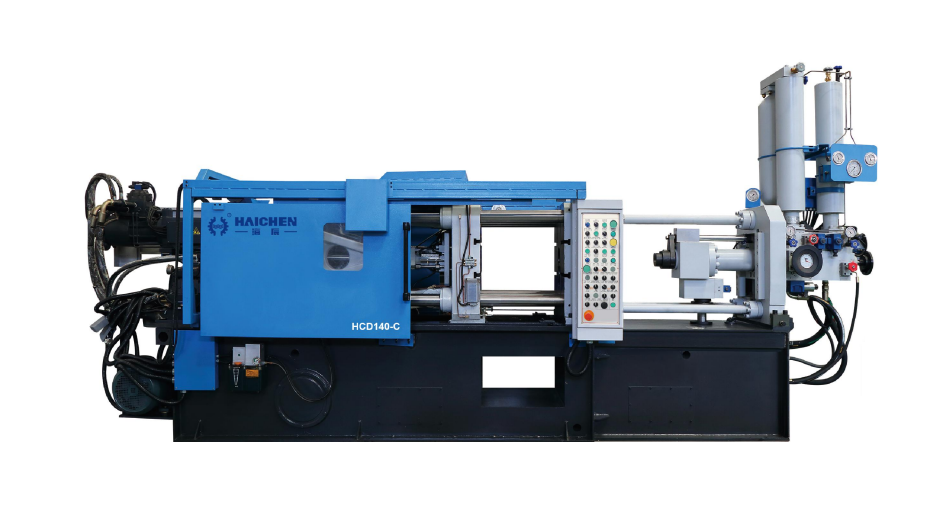
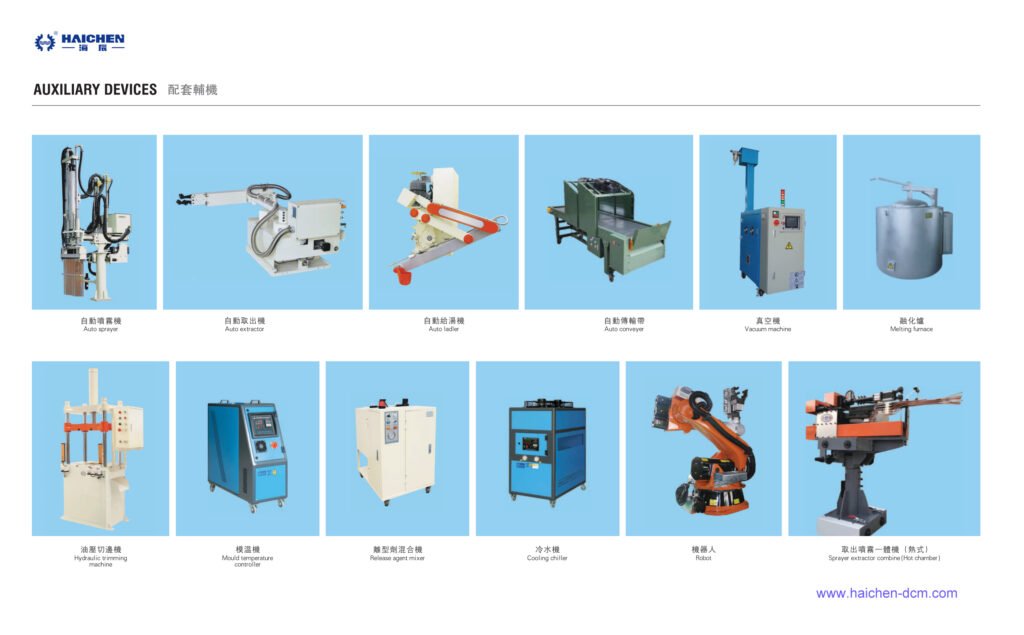
Haichen also produce die casting machine auxiliary equipment. Such as conveyor, vacuum machine, mold temperature controller, industrial robot, sprayer and so on.
We supply cold chamber and hot chamber die casting machine spare parts.
When you have any demand, feel free to contact us.


