A die casting gooseneck repair can restore a worn hot chamber injection system and reduce unplanned downtime when the component is still structurally suitable for refurbishment.
The gooseneck is continuously exposed to molten metal, thermal cycling, injection pressure, and chemical attack.
Over time, the bore, taper, nozzle seat, heating area, and other critical surfaces can wear or develop defects.
However, not every damaged gooseneck should be repaired.
The first step is to inspect the component and determine whether repair, resleeving, machining, or complete replacement is the safest and most economical option.
What Is a Gooseneck in a Hot Chamber Die Casting Machine?
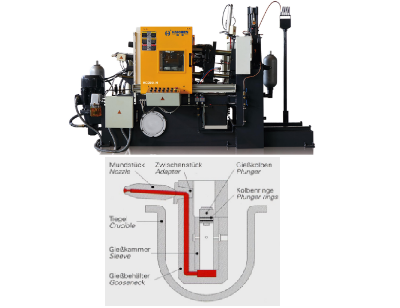
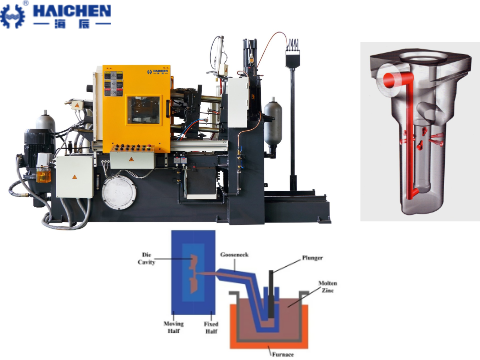
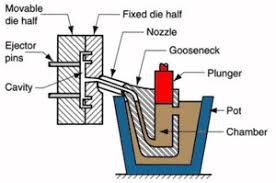
A gooseneck is a key component in a hot chamber die casting machine.
It provides the flow path between the molten metal bath and the nozzle, allowing the injection system to transfer molten metal into the die cavity.
Because the gooseneck remains in or near the molten metal environment during production, it experiences continuous thermal and mechanical stress.
Its condition can therefore affect:
- Metal leakage
- Injection stability
- Nozzle performance
- Casting quality
- Machine downtime
- Maintenance cost
For zinc hot chamber die casting, a damaged gooseneck may cause unstable filling, metal leakage, nozzle blockage, or abnormal wear.
Common Gooseneck Problems
Before repairing a gooseneck, the damaged area should be identified.
1. Internal Bore Wear
Continuous contact with molten metal and the moving plunger can gradually wear the internal bore.
Excessive wear may increase clearance and affect the stability of the injection system.
Depending on the remaining wall thickness and damage level, the bore may be suitable for machining or resleeving.
2. Taper Wear and Metal Leakage
The connection between the gooseneck and nozzle must maintain a reliable seal.
Wear, poor alignment, incorrect installation, or damage to the taper surface can create a leakage path.
Typical symptoms include:
- Molten metal leakage
- Flashing around the connection
- Material buildup
- Unstable injection
- Increased cleaning requirements
The taper should be inspected before deciding whether machining can restore the sealing surface.
3. Nozzle Blockage
A blocked nozzle can interrupt injection and reduce production efficiency.
Common causes include:
- Insufficient heating
- Low molten-metal temperature
- Metal solidification
- Oxidation or impurities
- Poor nozzle alignment
In this situation, the heating system, nozzle, gooseneck passage, and operating temperature should be checked together.
4. Cracks and Thermal Fatigue
Repeated heating and cooling create thermal stress.
Over time, thermal fatigue may produce small cracks around highly stressed areas, heating holes, or other critical sections.
Surface inspection alone may not always identify internal or subsurface defects.
Appropriate non-destructive testing can therefore be useful when the application requires higher reliability.
5. Corrosion and Erosion
Long-term exposure to molten zinc and other alloys can gradually damage the internal surfaces.
The severity depends on:
- Alloy composition
- Operating temperature
- Holding time
- Production cycle
- Gooseneck material
- Maintenance conditions
Severe corrosion may reduce wall thickness to an unsafe level, in which case replacement is preferable to repair.
When Should a Gooseneck Be Repaired?
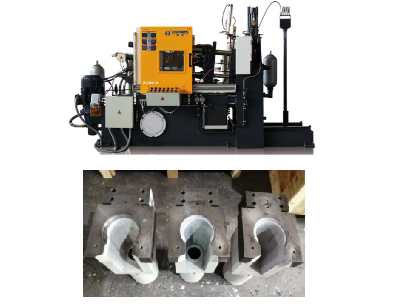
Repair may be considered when the main structure remains sound and the damage is localized.
Typical repairable conditions include:
- Moderate internal bore wear
- Taper surface wear
- Localized erosion
- Surface damage
- Minor heating-hole damage
- Loss of dimensional accuracy
- Replaceable liner wear
The final decision should be based on dimensional inspection and material condition rather than visual appearance alone.
When Should a Gooseneck Be Replaced?
Replacement is generally more appropriate when the gooseneck has severe structural damage.
Examples include:
- Major cracks
- Severe deformation
- Excessive wall-thickness loss
- Extensive corrosion
- Irreparable heating-hole damage
- Critical dimensional deviation
- Repeated repair failure
A repaired component should always retain sufficient structural strength and dimensional accuracy for the intended operating conditions.
Gooseneck Repair vs. Replacement
| Condition | Repair / Resleeving | Replacement |
|---|---|---|
| Minor bore wear | ✓ | |
| Localized surface wear | ✓ | |
| Taper wear | ✓ | |
| Moderate erosion | ✓ | |
| Heating-hole damage | ✓* | |
| Severe cracking | ✓ | |
| Major deformation | ✓ | |
| Severe corrosion | ✓ | |
| Excessive wall-thickness loss | ✓ | |
| Irreparable structural damage | ✓ |
*Repairability depends on the location and severity of the damage.
How Is a Gooseneck Repaired?
A professional repair process normally begins with inspection rather than machining.
Step 1: Clean the Gooseneck
Old zinc, oxide, scale, and other deposits are removed so that the actual condition of the component can be evaluated.
For heavily contaminated components, specialized cleaning equipment may be required.
Step 2: Inspect the Component
The technician checks:
- Bore diameter
- Bore roundness
- Taper condition
- Wall thickness
- Heating holes
- Cracks
- Surface erosion
- Alignment surfaces
Where necessary, non-destructive testing can be used to identify cracks that are not visible from the surface.
Step 3: Determine the Repair Method
The appropriate method depends on the damage.
Possible solutions include:
- Precision machining
- Bore restoration
- Liner replacement
- Resleeving
- Taper machining
- Heating-hole repair
- Surface treatment
The repair plan should be based on the original dimensions and the specific hot chamber machine model.
Step 4: Install the New Liner
When the internal bore has excessive wear but the outer body remains suitable, resleeving can be an economical alternative to replacing the complete gooseneck.
The worn section is machined to accept the new liner.
The liner is then installed and processed to restore the required internal dimensions.
Step 5: Restore Critical Dimensions
After repair, critical surfaces should be machined to the required tolerances.
Important areas include:
- Internal bore
- Taper
- Nozzle connection
- Mounting surfaces
- Heating-hole position
Step 6: Final Inspection
The repaired gooseneck should be inspected before shipment.
Depending on the application, inspection may include:
- Dimensional measurement
- Concentricity inspection
- Surface inspection
- Crack detection
- Heating-system inspection
- Functional fitting
The goal is to confirm that the repaired component is suitable for installation and operation.
What Affects Gooseneck Service Life?
There is no single service-life figure that applies to every gooseneck.
Actual life depends on several factors.
Material Quality
The gooseneck must withstand repeated exposure to molten metal and thermal cycling.
The material should therefore be selected according to the alloy, operating temperature, mechanical load, and expected production cycle.
Molten Metal Temperature
Excessive temperature can accelerate material degradation, while insufficient temperature can cause metal solidification and blockage.
Stable temperature control is therefore important.
Machine Alignment
Poor alignment between the gooseneck, plunger, and nozzle can create abnormal wear.
Regular inspection of the injection system can help identify alignment problems before they cause severe damage.
Maintenance
Regular cleaning and inspection can help identify:
- Wear
- Leakage
- Cracks
- Blockage
- Heating problems
Early intervention is generally less expensive than emergency replacement after a major failure.
How to Reduce Gooseneck Repair Costs
Repair cost is not determined only by the machining price.
A better approach is to consider the total cost of ownership.
For example:
Repair cost + transportation + installation + downtime + expected remaining service life
A low-cost repair that fails quickly may be more expensive than a higher-quality refurbishment with a longer usable life.
For this reason, buyers should ask the repair supplier for:
- Inspection results
- Proposed repair method
- Final dimensions
- Material information
- Heat-treatment information
- Inspection records
- Expected delivery time
Haichen Gooseneck Repair Service
Haichen provides repair and refurbishment services for goosenecks used in hot chamber die casting machines.
The service can include:
- Zinc removal and cleaning
- Old liner extraction
- New liner installation
- Bore machining
- Taper restoration
- Heating-hole repair
- Crack inspection
- Final dimensional inspection
Haichen also supplies replacement goosenecks, nozzle bodies, and related hot chamber die casting components.
The repair method is selected according to the actual condition of the component rather than applying the same process to every gooseneck.
For customers who need a repair quotation, providing the following information can speed up the evaluation:
- Die casting machine brand
- Machine model
- Gooseneck drawing, if available
- Photos of the damaged areas
- Gooseneck dimensions
- Material being cast
- Main failure symptoms
- Required quantity
- Delivery location
Repair or Replace: Which Option Is Better?
The answer depends on the actual damage.
If the gooseneck has localized wear and the main body remains structurally sound, repair or resleeving may extend its usable life while reducing replacement costs.
However, severe cracking, deformation, extensive corrosion, or excessive wall-thickness loss can make replacement the safer choice.
Therefore, the best approach is to inspect first, determine the damage level, and then compare repair and replacement costs.
For a professional assessment, send the gooseneck model, dimensions, photos, and failure symptoms to the repair supplier.
The supplier can then recommend whether machining, resleeving, or complete replacement is appropriate.


