Hot chamber die casting is a high-speed metal casting process mainly used for alloys that can remain in contact with the machine’s injection system at melting temperature.
Unlike cold chamber die casting, the injection mechanism in a hot chamber machine stays inside or directly connected to the molten metal furnace.
As a result, the machine does not need to transfer a separate shot of molten metal into the injection chamber for every cycle.
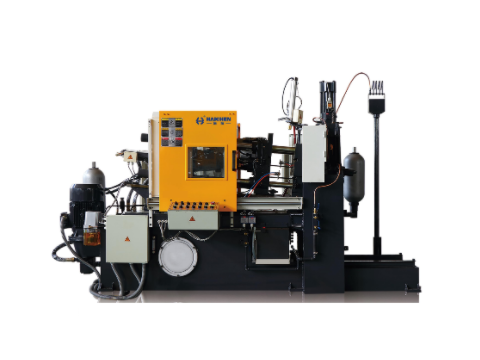
This design makes process especially useful for high-volume production of zinc, tin, lead, and selected other alloys.
For manufacturers, the main benefits include fast cycles, repeatable filling, good surface quality, and efficient automated production.
However, hot chamber technology also has material limitations. Therefore, choosing the process requires more than simply looking at production speed.
What Is Hot Chamber Die Casting?
It is a high-pressure casting process in which the injection mechanism remains immersed in or directly connected to the molten metal.
The main components include:
- Melting furnace
- Gooseneck
- Plunger
- Injection cylinder
- Nozzle
- Die
- Clamping system
- Ejection system
During production, the molten metal enters the injection system directly from the furnace.
Then, the plunger pushes the metal through the gooseneck and nozzle and into the die cavity at high pressure.
Because the machine does not need a separate ladling step for each shot, it can achieve short production cycles.
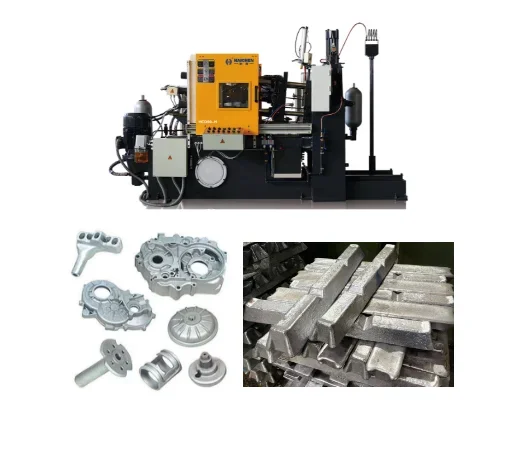
How Does Hot Chamber Die Casting Work?
The hot chamber process follows a continuous production cycle.
1. Melting the Alloy
First, the selected alloy is heated in the machine’s furnace until it reaches the required molten temperature.
The temperature must remain stable throughout production.
If the metal temperature changes too much, filling behavior and casting quality can also change.
2. Filling the Injection System
The injection mechanism remains connected to the molten metal.
When the plunger moves to the correct position, molten metal enters the gooseneck and injection chamber.
This step happens automatically.
Therefore, the operator does not need to transfer a fresh shot of metal from an external furnace for every cycle.
3. Injecting Molten Metal Into the Die
Next, the plunger moves forward.
It pushes the molten metal through the nozzle and into the closed die cavity.
The injection speed and pressure must be controlled carefully.
Too little injection force can cause incomplete filling.
On the other hand, excessive speed or pressure can increase turbulence, flash, or other casting defects.
4. Solidification and Cooling
After the cavity fills, the metal begins to solidify.
The die removes heat from the casting while the machine maintains the required pressure for the process.
Once the casting has solidified sufficiently, the machine can open the die.
5. Die Opening and Ejection
The clamping system opens the die.
Then, the ejector system pushes the finished casting away from the die surface.
The machine can then close the die and begin the next cycle.
This repeated sequence makes hot chamber die casting suitable for high-volume production.
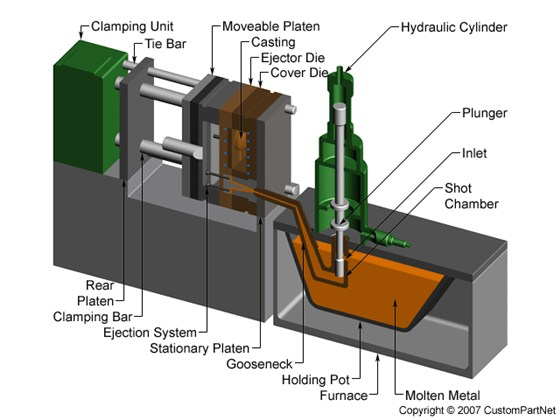
What Are the Main Components of a Hot Chamber Die Casting Machine?
Understanding the machine structure helps manufacturers select equipment and troubleshoot production problems.
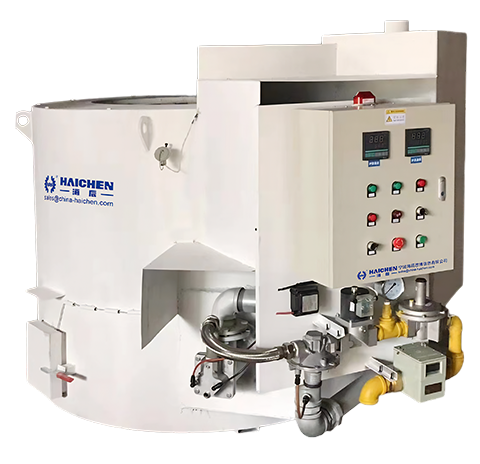
Furnace
The furnace holds and heats the molten alloy.
Stable temperature control is important because metal temperature affects:
- Fluidity
- Filling behavior
- Solidification
- Surface quality
- Cycle stability
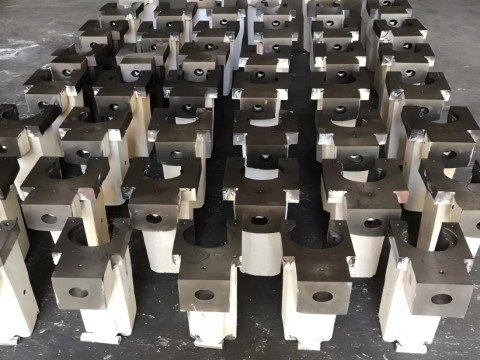
Gooseneck
The gooseneck connects the molten metal supply with the injection system.
It provides the flow path for molten metal before injection.
Because it operates in a high-temperature environment, its material and cooling design are important for service life.
Plunger and Injection Cylinder
The plunger generates the force needed to push molten metal into the die.
Its movement directly affects injection speed and filling behavior.
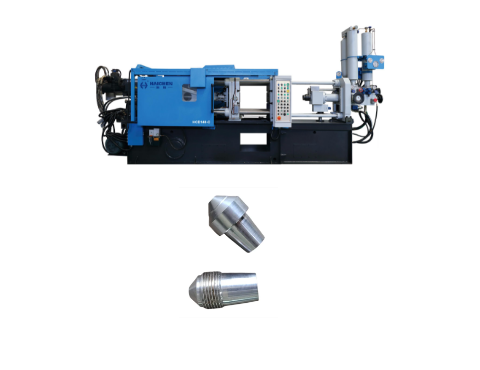
Nozzle
The nozzle transfers molten metal from the injection system into the die.
Its condition can influence:
- Filling stability
- Metal leakage
- Shot consistency
- Casting quality
Clamping System
The clamping system keeps the die closed during injection.
It must provide sufficient force to prevent the die halves from separating under injection pressure.
Ejection System
After solidification, the ejection system removes the casting from the die.
A stable ejection sequence helps prevent damage to the casting and mold.
What Metals Can Be Used in Hot Chamber Die Casting?
Material compatibility is one of the most important factors when choosing hot chamber die casting.
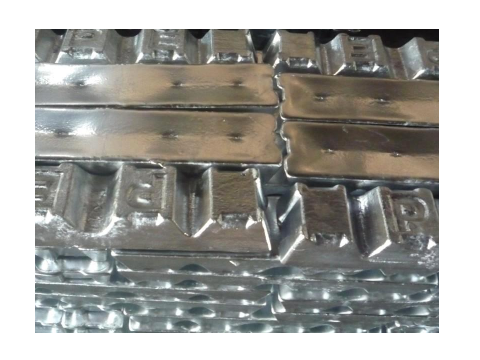
Zinc Alloys
Zinc is one of the most common materials for hot chamber die casting.
It offers good fluidity, dimensional accuracy, surface quality, and suitability for high-volume production.
Typical applications include:
- Door handles
- Locks
- Hardware
- Electronic housings
- Decorative components
- Automotive components
Zinc die casting is also known for its good surface finishing and plating capability.
NADCA highlights zinc’s suitability for complex shapes, tight tolerances, smooth surfaces, and high-volume production.
Tin Alloys
Tin can also be processed using hot chamber technology.
Its applications are more specialized and depend on the required mechanical and physical properties of the final part.
Lead Alloys
Lead alloys can be used in specific hot chamber applications.
However, environmental, health, and regulatory requirements must be considered carefully when working with lead-containing materials.
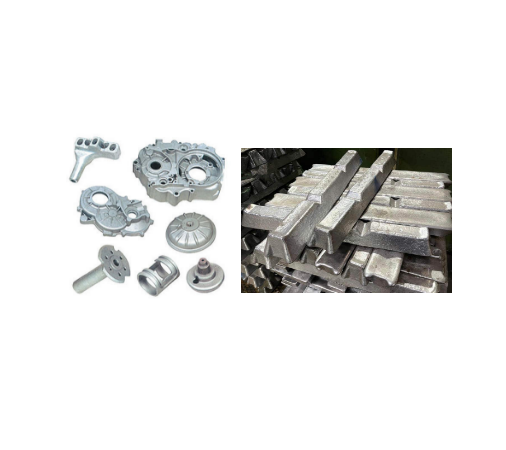
Magnesium Alloys
Some magnesium alloys can be processed using hot chamber technology under suitable conditions.
However, manufacturers should not assume that every magnesium alloy is suitable.
The alloy composition, machine design, temperature range, and process requirements must be evaluated first.
Advantages of Hot Chamber Die Casting
Fast Production Cycles
The injection system remains connected to the molten metal.
Therefore, the machine avoids a separate metal-transfer step before each injection.
This is one of the main reasons hot chamber machines can achieve high production rates.
NADCA also identifies the elimination of metal transfer to the injection mechanism as a key reason for higher production rates.
High Production Output
Hot chamber machines can repeat the injection cycle quickly.
As a result, they are suitable for large-volume production where the same part must be produced repeatedly.
Good Dimensional Consistency
The machine controls the injection process under repeatable conditions.
Therefore, properly designed molds and stable process parameters can produce parts with consistent dimensions.
Good Surface Finish
The high-pressure injection process allows molten metal to fill detailed mold cavities.
This makes the process suitable for components that require relatively smooth surfaces and fine details.
Reduced Metal Transfer
Because the injection system receives molten metal directly from the furnace, manufacturers do not need to use an external ladle for every shot.
This simplifies the production cycle and can reduce handling-related variation.
What Are the Limitations of Hot Chamber Die Casting?
Hot chamber die casting is not suitable for every alloy or product.
Limited Material Selection
The biggest limitation is material compatibility.
The injection mechanism must withstand continuous exposure to molten metal.
Therefore, alloys with very high melting temperatures or alloys that react strongly with the injection components may require a cold chamber process instead.
Injection Component Wear
The gooseneck, plunger, nozzle, and related components operate under high temperature and repeated mechanical movement.
Consequently, wear can occur over time.
Regular inspection and timely replacement help maintain injection stability.
Maintenance Requirements
The furnace and injection system operate continuously at high temperature.
Therefore, maintenance should include inspection of:
- Plunger
- Gooseneck
- Nozzle
- Seals
- Furnace
- Temperature-control system
Ignoring these components can lead to unstable filling and increased downtime.
Hot Chamber vs Cold Chamber Die Casting
The two processes use similar basic casting principles, but their injection systems are different.
| Feature | Hot Chamber | Cold Chamber |
|---|---|---|
| Injection system | Connected to molten metal | Separate from furnace |
| Metal transfer | Not normally required for each shot | Required |
| Production speed | Generally higher | Generally lower |
| Typical materials | Zinc, tin, lead, selected alloys | Aluminum, copper, many magnesium alloys |
| Machine structure | More compact injection system | Separate shot sleeve |
| Main advantage | Fast repetitive production | Wider alloy compatibility |
| Typical applications | Zinc hardware, small precision parts | Aluminum automotive and industrial parts |
In short, hot chamber is often preferred when material compatibility and high production speed are the priorities.
Cold chamber is generally more suitable when the alloy requires an external melting furnace and cannot remain in contact with the hot chamber injection system.
What Products Are Made by Hot Chamber Die Casting?
Hot chamber die casting is commonly used for relatively small and detailed metal components.
Typical products include:
- Door handles
- Locks
- Electronic components
- Connectors
- Hardware fittings
- Decorative parts
- Consumer products
- Small automotive components
The process works especially well when manufacturers need large quantities of consistent parts.
How to Choose a Hot Chamber Die Casting Machine
Choosing a machine should start with the product rather than the machine model.
Manufacturers should evaluate:
1. Alloy
First, confirm that the alloy is compatible with hot chamber technology.
2. Part Weight
The machine must have sufficient injection capacity for the casting and runner system.
3. Projected Area
The projected area affects the required clamping force.
4. Mold Dimensions
Check the mold width, height, tie-bar spacing, opening stroke, and ejector requirements.
5. Production Target
Calculate the required hourly and annual output.
A high-cavity mold may increase output, but it also increases mold cost and machine requirements.
6. Automation
For large-volume production, consider:
- Automatic ladling where applicable
- Spraying systems
- Robotic part removal
- Trimming
- Conveyors
- Automatic inspection
A complete production cell can reduce manual work and improve repeatability.
Hot Chamber Die Casting: Is It Right for Your Production?
Hot chamber die casting is a strong choice when you need:
- High production volume
- Short cycle times
- Repeatable casting quality
- Good surface finish
- Small or medium precision components
- Zinc or other compatible low-melting-point alloys
However, it is not automatically the best solution.
If you need to cast aluminum or another alloy that requires an external melting furnace, a cold chamber die casting machine may be more appropriate.
Therefore, the correct machine depends on the combination of alloy, part size, mold design, production volume, and required quality.
FAQ About Hot Chamber Die Casting
What is hot chamber die casting?
Hot chamber die casting is a high-pressure casting process in which the injection mechanism remains immersed in or directly connected to the molten metal.
Why is hot chamber die casting fast?
The main reason is that the molten metal does not need to be transferred from an external furnace into the injection chamber for every shot. This reduces handling steps and supports shorter production cycles.
What is the most common metal for hot chamber die casting?
Zinc is one of the most common materials used in hot chamber die casting. Tin and lead are also used in specific applications.
Can aluminum be die cast in a hot chamber machine?
Generally, aluminum die casting uses cold chamber machines because of the temperature and material compatibility requirements. The exact choice depends on alloy composition and machine design.
What is the difference between hot chamber and cold chamber die casting?
The main difference is the location of the injection system.
In hot chamber die casting, the injection mechanism stays connected to the molten metal.
In cold chamber die casting, molten metal is transferred from an external furnace into a separate shot chamber before injection.


