Explore the true die casting cost of alloy production. Learn key cost factors, process differences, and money-saving tips for your manufacturing projects.
Die casting cost sits as the top concern for manufacturers who use alloy casting parts.
If you run a production line or source metal components, you definitely want to control every budget detail.
In this article, we break down all core cost drivers in simple words.
Besides, we share practical tips to cut unnecessary spending. Overall, this guide helps you grasp accurate pricing rules for alloy die casting.
Material Waste Impact die casting cost
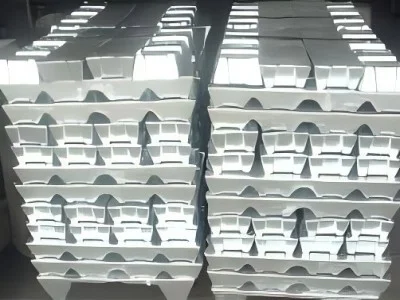
In addition, material waste directly changes final expenses. Every die casting process produces tiny scraps and leftover materials.
If your product design has thin walls or complex shapes, waste rates will rise slightly.
As a result, you need to prepare extra budget for material loss. Luckily, most scraps can recycle and reuse to lower long-term spending.

Production Process Operating Cost
Machine and Energy Consumption
Secondly, machine operation and energy use add steady daily costs.
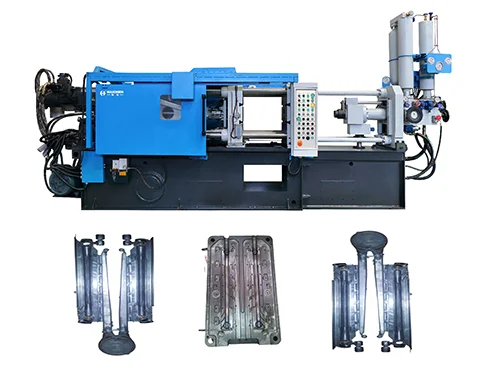
Die casting machines need continuous electricity and regular maintenance to work well.
Normally, large-batch production cuts average energy cost per piece.
On the contrary, small orders raise unit energy spending greatly.
That is why mass production always saves more money for alloy casting projects.
Labor and Time Cost
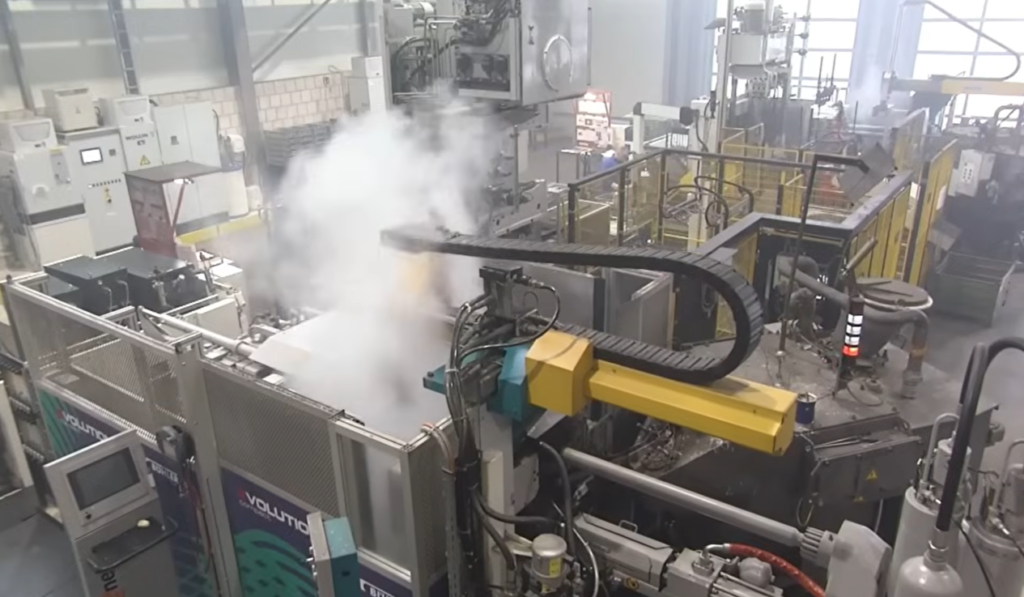
Furthermore, labor and cycle time matter a lot for cost control. Skilled workers monitor machine running and check product quality every day.
Short production cycles reduce labor time for each finished part.
Conversely, repeated trial runs waste time and raise overall cost. Simply put, stable production efficiency equals lower manufacturing spending.
Post-Processing and Hidden Cost
Finishing and Polishing Cost
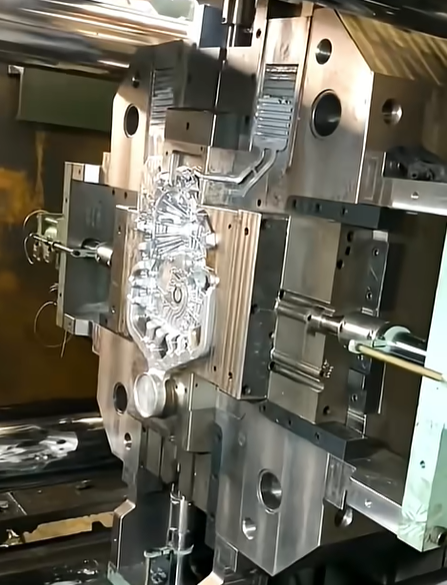
Thirdly, post-processing steps bring extra but necessary costs. Most alloy die casting parts need polishing, deburring and surface treatment.
Of course, simple surface designs need less finishing work and cost less. However, high-precision parts require fine processing, which adds extra budget pressure.
Quality Inspection and Loss Cost
Finally, quality inspection controls hidden production costs. Every batch needs strict checks to avoid defective products.
If you keep low defect rates, you save money on rework and replacement.
In fact, strict daily inspection always lowers the long-term die casting cost for alloy production.
To sum up, die casting cost mainly includes material, production and post-processing expenses.
All these factors work together to decide final project pricing. If you optimize material use and production efficiency, you can easily cut redundant spending.
For alloy die casting projects, reasonable cost control always brings better profit margins.