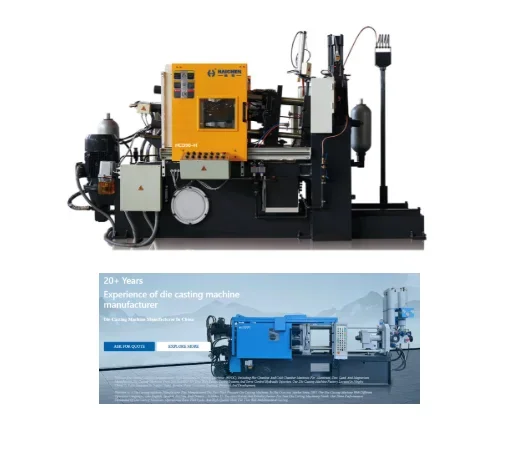
Die casting 6 best materials mainly include:
- aluminum
- zinc
- magnesium
- copper
- lead and lead alloys
- tin and tin alloys
Die casting is a manufacturing process in which molten metal is forced into a mold cavity under high pressure.
The choice of material significantly impacts the product’s properties, durability, and application.
In the die-casting process, the traditional materials used are mainly non-ferrous alloys, such as zinc, aluminum, magnesium, copper, etc.
These materials are widely employed due to their low melting points, good fluidity and processing properties.
The selection of die-casting materials requires finding a balance between cost and performance.
For instance, the performance of the material directly affects the quality and lifespan of the product.
While the cost influences production efficiency and economics.
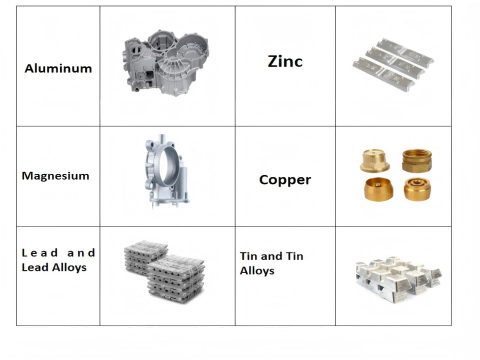
Aluminum
- Properties: Lightweight, corrosion-resistant, high strength-to-weight ratio, excellent thermal and electrical conductivity.
- Applications: Automotive parts, aerospace components, and consumer electronics.
- Advantages:Easy to cast and machine.High resistance to temperature and wear.
A few of the most commonly used aluminum alloys for die casting are A380, 383, B390, A413, A360, and CC401.
The primary consideration when choosing an appropriate alloy is your intended application.
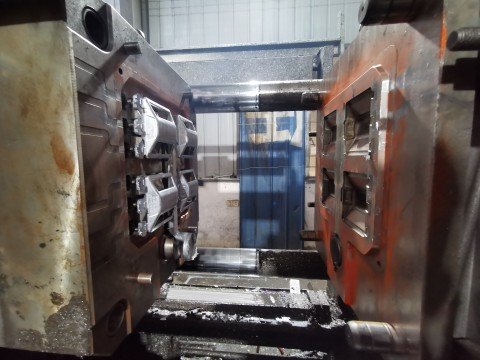
For example, A360 offers excellent corrosion resistance, pressure tightness, and very good fluidity when molten.
B390 offers outstanding wear resistance and high hardness while having the lowest ductility of all cast alloys, which is why it is used for applications such as automotive engine blocks.
Alloy A380 is the perfect jack-of-all-trades, offering a good combination of casting and product properties, and is the most commonly specified alloy for casting a wide variety of products.
For example, the production of road studs would choose this material.
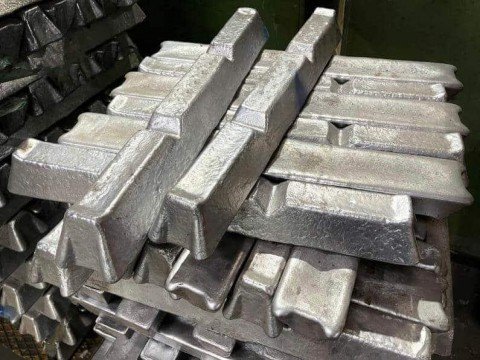
Because Haichen’s cold chamber die-casting machine can provide sufficient clamping force and injection pressure to meet the processing requirements of high melting point alloys (such as ADC12 and A380 aluminum alloys).
Zinc
- Properties: Low melting point, high ductility, excellent impact strength, and good corrosion resistance.
- Applications: Small, intricate parts such as connectors, locks, gears, and automotive components.
- Advantages:Can cast thin walls and complex shapes.Longer die life due to its lower melting temperature.
Zinc die casting is a manufacturing process that involves injecting molten zinc into a precision die or mold to produce complex, precise, and detailed parts.
Based on the advantages of this process and the properties of zinc alloy metal, for items such as medals and metal connectors.
Haichen will choose hot chamber die casting and zinc alloy to customize production lines for customers.
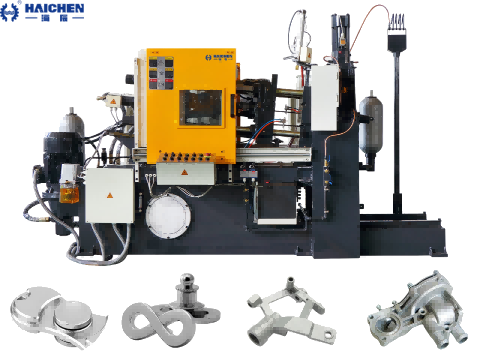
This process has several advantages over other casting methods, making it a popular choice for a wide range of applications.
One of the main benefits of zinc die casting is its ability to produce high-quality parts with excellent dimensional accuracy and surface finish.
The die casting process allows for precise control over the shape and size of the finished product, resulting in parts with a high level of consistency and repeatability.
This is especially important for applications that require tight tolerances or precise fit and function.
Another advantage of zinc die casting is its speed and efficiency.
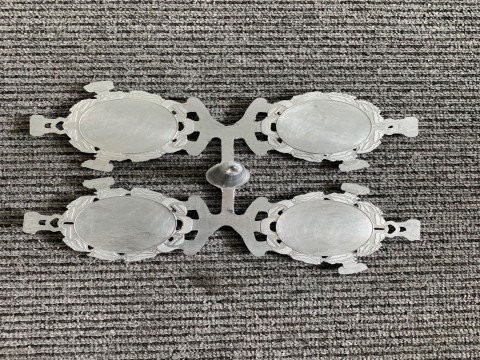
The process is able to produce parts quickly, making it suitable for high-volume production runs.
It is also a relatively cost-effective manufacturing method, as it requires minimal post-processing and can be automated to a large extent.
Zinc die casting is also very strong and durable, making it suitable for use in a wide range of applications.
The zinc alloy used in the process has good mechanical properties, including high tensile and yield strength, good ductility, and good fatigue resistance.
This makes it ideal for use in a variety of applications, including industrie, design, automotive, aerospace, and medical devices.

Including excellent dimensional accuracy and surface finish, high-volume production capabilities, good mechanical properties, and environmental sustainability.
Magnesium
- Properties: Very lightweight, good strength-to-weight ratio, excellent machinability, and good electromagnetic interference shielding.
- Applications: Automotive parts (steering components, housings), aerospace components, and electronics casings.
- Advantages:Ideal for reducing weight without sacrificing strength.High dimensional stability in die-cast parts.
Magnesium is a top choice for die-casting due to its unique properties, such as strength and durability combined with a lightweight structure, which is similar to plastic.
Its unique features such as castability, ease of machining, and recyclability make it an excellent material option for die-casting strong but lightweight components.
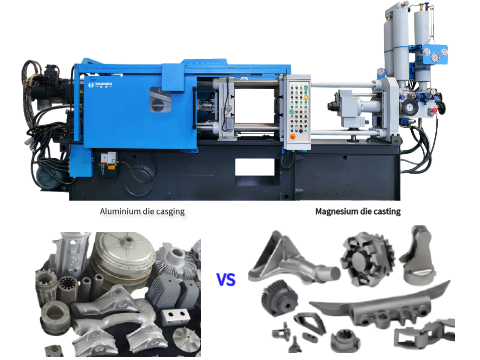
Magnesium alloys are 33% lighter than aluminum and 75% lighter than steel with excellent strength-to-weight ratio.
With good thermal and electrical conductivity, magnesium is an excellent material choice for electronic components while also offering good shielding from electromagnetic or radio-frequency interference.
Magnesium alloys have remarkable shock-absorbing properties that enable them to be used in applications where noise and vibration are of concerns.
Magnesium alloys, especially AS91D, have high fluidity, allowing for intricate features and thin walls to be casted.
Although the cost of magnesium per pound is higher than aluminum or zinc, magnesium alloys provide more parts per pound and can offer significant cost savings in other ways.
Magnesium alloys are a sustainable material option that offer an environmentally-friendly alternative to plastics.
The scrap material from magnesium parts is 100% recyclable and can be re-casted like raw material, making it an ideal choice for manufacturers who prioritize responsible and sustainable production methods.
Copper
- Properties: Excellent thermal and electrical conductivity, high corrosion resistance, and exceptional strength.
- Applications: Electrical connectors, plumbing components, and industrial machinery parts.
- Advantages:Excellent for parts requiring high conductivity and resistance to wear.And good thermal performance for heat-sensitive applications.
Lead and Lead Alloys
- Properties: High density, corrosion resistance, and malleability.
- Applications: Specialty items such as weights, battery terminals, and radiation shielding components.
- Advantages:Useful for heavy components.Effective for sealing and resistance to environmental factors.
Tin and Tin Alloys
- Properties: Low melting point, excellent corrosion resistance, and good ductility.
- Applications: Decorative items, bearings, and precision components.
- Advantages:Good for thin, detailed, and precision parts.Often used in food-safe applications due to its non-toxicity.
Factors to consider when choosing a material
- Strength and Weight Requirements:Match the material’s mechanical properties to the part’s needs.
- Corrosion Resistance:Especially critical for outdoor or marine applications.
- Thermal and Electrical Conductivity:Important for electronic or heat-sensitive parts.
- Cost Efficiency:Evaluate material cost and production efficiency.
- Durability and Longevity:Especially for high-wear applications.
Haichen die casting
Haichen Die Casting is a professional manufacturer of high quality hot chamber die casting machines and cold chamber die casting machines.
Which are widely used in automotive, electronics and industrial equipment industries.
The “best material” for Haichen Die Casting depends on the specific application and performance requirements.
Selecting the right material ensures optimal performance, durability, and cost-effectiveness for the die-cast product.