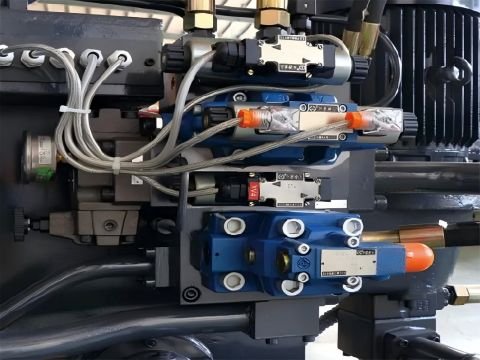
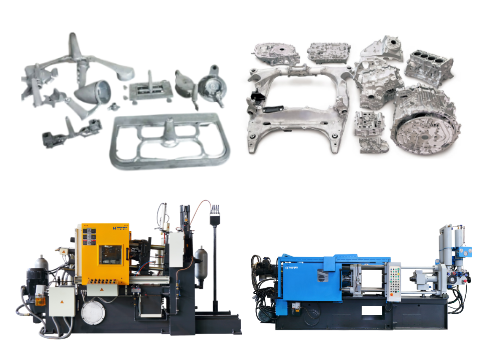
Hydraulic valves are the core control element of the hydraulic system of the die-casting machine.
Hydraulic valves act as core control components of die-casting machine hydraulic systems.
Their working status directly determines equipment operation, so any malfunction will reduce production efficiency and pose potential safety hazards.
In die-casting production, these key valves precisely regulate system pressure, flow and fluid direction to ensure stable and normal equipment operation.
Hydraulic valve faults bring multiple adverse impacts.
Specifically, they cause unplanned production shutdowns, reduce product machining accuracy and quality, and even lead to structural damage of matching equipment in serious cases.
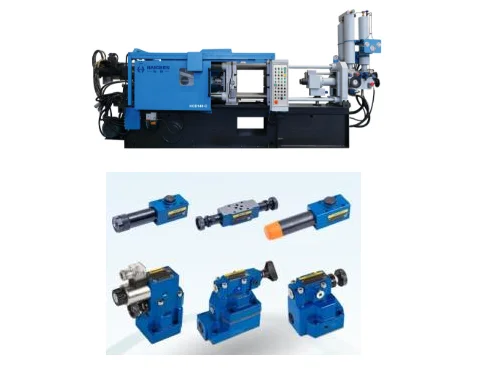
Thus, mastering efficient troubleshooting skills is essential for production stability.
To diagnose faults rapidly, technicians first identify typical symptoms including oil leakage and low system pressure.
Next, they thoroughly check valve internal channels for impurity blockages, inspect seals for aging or damage, and verify hydraulic oil viscosity to meet operational standards.
Regular maintenance and timely professional repairs effectively eliminate potential faults, prevent recurrent problems and extend valve service life.
Haichen aims to cooperate with you to explore efficient hydraulic valve diagnosis and repair solutions, helping optimize equipment maintenance and ensure stable die-casting production.
Types of Hydraulic Valves in Die Casting
- Directional Control Valves
- Pressure Control Valves
- Flow Control Valves
Directional Control Valves
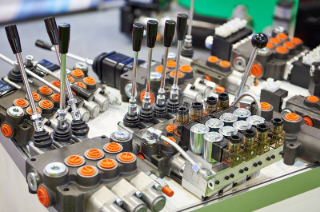
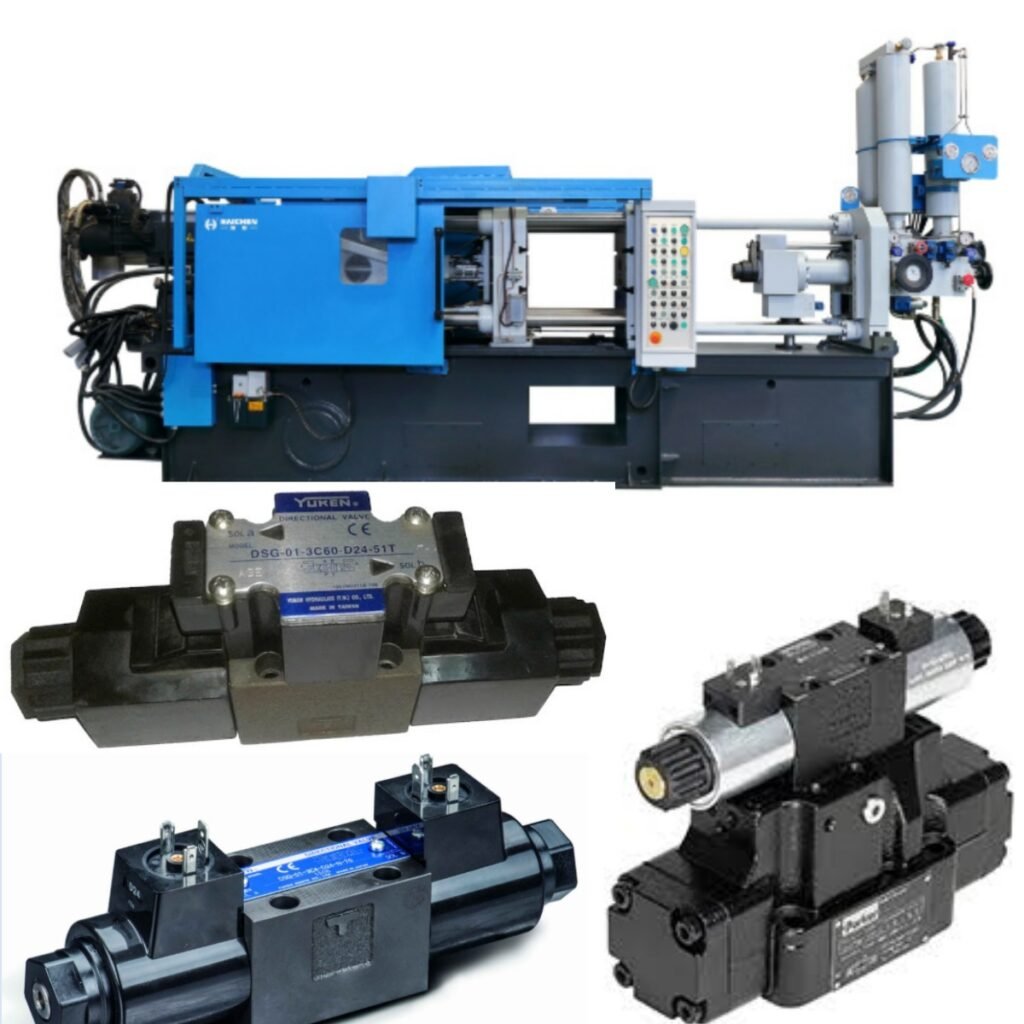
Directional Control Valves control the flow direction of hydraulic oil to switch the start, stop and action direction of die casting machine executive components.
Common types include solenoid directional valves and electro-hydraulic proportional directional valves.
Which offer high sensitivity and precision for high-precision scenarios, some modelshandle high pressure and large flow for large die casting machines.
Pressure Control Valves
Pressure Control Valves stabilize the hydraulic system pressure to prevent overload and meet process requirements.
Common types include relief valves, pressure reducing valves, and sequence valves.
Sliding gate valves enable precise pressure control for low-pressure die casting to improve casting quality.
Flow Control Valves
Flow Control Valves adjust hydraulic oil flow to control the action speed of die casting machine components.
Common types include throttle valves and flow control valves, which cooperate with sequence valves to ensure stable injection and pressure holding, and work with sensors for real-time adjustment to improve casting consistency.
Basic principles and key functions of hydraulic valves in die casting
Before conducting troubleshooting, maintenance personnel must first understand the basic working principles and core functions of hydraulic valves in die casting systems.
Die casting hydraulic valves mainly include directional control valves, pressure control valves, flow control valves and proportional/servo valves, each undertaking distinct roles:
- Directional control valves switch the flow direction of hydraulic oil to control the start, stop and action direction of executive components such as mold clamping cylinders and injection cylinders.
- Pressure control valves stabilize the system pressure, preventing overload damage to equipment and ensuring the pressure requirements of each die casting process are met.
- Flow control valves adjust the flow rate of hydraulic oil to control the action speed of executive components, such as mold clamping speed and injection speed.
- Proportional/servo valves achieve precise control of pressure and flow, adapting to the high-precision requirements of complex die casting processes.
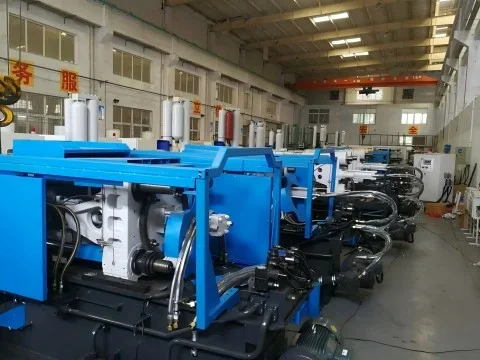
All these valves rely on the precise fit of internal spools, valve bodies and springs to realize their control functions.
Any wear, contamination or damage to these components will lead to valve malfunctions.
Therefore, troubleshooting must focus on these core components and combine the actual working conditions of the die casting machine.
If you are not sure what is wrong with the hydraulic valve, you can contact Haichen to help you.
Analysis of common hydraulic valves fault types and causes
- Leakage failure
- Spool jamming or abnormal movement
- Abnormal pressure
- Corrosion and abrasion
Leakage failure
Internal Leakage: Seal failure due to spool wear, aging or contamination of the seal, manifested by insufficient system pressure or sluggish actuator.
External leakage: the sealing surface of the valve body is scratched or the bolts are loose, and the hydraulic oil seeps out to pollute the environment.
Spool jamming or abnormal movement
Mechanical Trapping: Oil contamination (metal debris, fibers) clogging spool damping holes or gaps.
Spring failure: Spring fatigue fracture or stiffness change, resulting in the spool not being able to reset.
Electromagnetic fault: coil burnout (voltage instability or overload), armature stuck, resulting in commutation failure.
Abnormal pressure
Pressure fluctuation: The damping orifice of the relief valve is clogged or the spool is deformed, causing the system pressure to be unstable.
Pressure cannot be established: Poor seal of the check valve (worn balls or scratched seats), resulting in backflow of oil.
Corrosion and abrasion
Chemical Corrosion: Acidic hydraulic fluids or humid environments can cause corrosion of the valve body, weakening the structural strength.
Furthermore, abrasive wear: Oil contamination accelerates the wear of the mating surface between the valve core and the valve body, increasing the amount of leakage.
Why should the hydraulic valve be repaired if it has failed?
- Old Way to Deal with Broken Valves
- Machine Stop Risks When Changing Valves
Old Way to Deal with Broken Valves
A hydraulic valve fails or malfunctions, most companies use a new component to restore the function of the hydraulic system, and the failed hydraulic valve becomes scrap.
In fact, most parts of these hydraulic valves are still in good condition and can be partially repaired to restore function.Correct maintenance of hydraulic valves can save acquisition costs.
Machine Stop Risks When Changing Valves
When replacing hydraulic valves, such as no spare parts, it takes a long time to order, and some imported valves are even difficult to buy.
So the equipment may be shut down for a long time, while the repair can restore the operation of the equipment and even the entire production line, the economic benefits are considerable.
If you are struggling with how to repair the hydraulic valve, why not contact Haichen?
Hydraulic Valve: Repair & Maintenance
- Repair & Overhaul Procedure
- Maintenance Methods & Technical Points
- Preventive Maintenance & Safety
Repair & Overhaul Procedure
Disassembly and Cleaning
- Relieve residual pressure: Operate joystick in all directions to avoid oil injection.
- Mark components during disassembly to prevent incorrect assembly.
Washing Steps
- Rough cleaning: Soak valve body in diesel or special solvent, then ultrasonic cleaning.
- Fine cleaning: Flush orifices with high-pressure fluid, dry with compressed air, apply anti-rust oil.
Critical Component Inspection
- Valve core & valve body: Check scratches and deformation; matching gap 0.008–0.015 mm.
- Seals: Replace aged, cracked or permanently deformed O-rings and retaining rings.
- Springs & solenoids: Measure spring free length and solenoid coil resistance.
Functional Testing
- Manual test: Ensure valve core moves smoothly without sticking.
- On-machine verification: Gradually pressurize, check pressure response and action accuracy.

Maintenance Methods & Technical Points
Cleaning Process
- Clean valve core, bore, damping holes and throttles with kerosene or special agent.
- Repair standard: Matching gap ≤ 0.01 mm, roughness Ra ≤ 0.4 μm.
Seal Replacement
- Use ultrasonic leak detector to locate leakage points.
- Select proper material: fluoroelastomer for high temperature, nitrile rubber for oil resistance.
- Lubricate seals with hydraulic oil before assembly to avoid twisting or damage.
Relief Valve Commissioning
- Adjust handle step by step; pressure range covers ±10% of rated value.
- 1-minute high-pressure test: pressure deviation ≤ 2%.
Preventive Maintenance & Safety
Oil Management
- Regular filtration (NAS Class 8), change oil every 3000 hours.
- Control oil temperature at 50–60°C.
Regular Inspection
- Monthly: Tighten hydraulic joints, check accumulator nitrogen pressure.
- Annual: Overhaul valve manifold, replace wearing parts, calibrate proportional valves.
Environmental Control
- Keep workshop clean to prevent dust contamination.
- Use anti-rust oil and air dryer in humid environments.
Safety Precautions
- Shut off main pump and relieve pressure before maintenance.
- Seal oil ports immediately; use lint-free cloths only.
- Proportional / complex valves: repaired by certified personnel.
- Do not adjust spring preload arbitrarily.
- Disconnect power during solenoid wiring to avoid short circuit and electric shock.
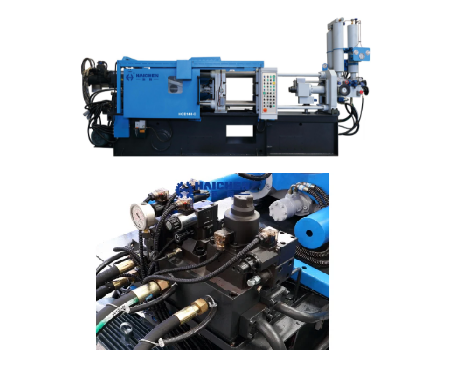
Haichen‘s after-sales service
Hydraulic valve failure can easily lead to downtime of the entire system, so commissioning and repair must be carried out quickly.
If all common faults have been eliminated, consider possible specific faults depending on the specific model of the valve.
If you encounter any issues during the process, there is no need to worry.
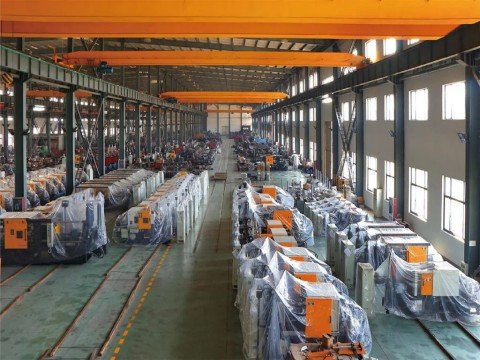
Our engineers are ready to provide professional after-sales service and one-stop solutions, tailored to your on-site situation, to resume your production as soon as possible.