There are various types of Die casting spray gun, which are mainly classified according to structural design, atomization technology, materials and application scenarios.
The utilisation of spray guns in die-casting production is paramount for enhancing process efficiency and quality. Haichen will demonstrate the various spray guns employed in our die-casting operations, such as automatic and manual spray guns, alongside their application in release agent spraying.
Whether automatic or manual spray guns, their use in die-casting production significantly enhances process efficiency and quality. Spray guns play a crucial role in the application of release agents and temperature control, ensuring consistent and high-quality castings.
How to classify die casting lubrication spray guns?
- By Structural Design
- By Atomization Technology
- By Material
- Specialty Guns
- Key Selection Factors
By Structural Design
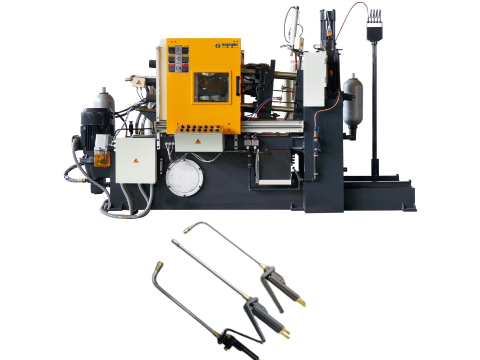
- T-Shaped Nozzles
- Simple design with a vertical main channel and horizontal branch, forming a “T” shape.
- Easy to clean and maintain, ideal for standard die casting applications.
- Cross Nozzles
- Four-directional outlets ensure uniform molten metal distribution, reduce turbulence, and improve filling balance. Commonly used for complex molds.
- Y-Shaped Nozzles
- Splits metal flow into two streams, suitable for multi-gate systems or intricate cavities. Ideal for high-precision casting.
- Pinch Nozzles
- Controls flow speed via a “pinching” mechanism, minimizing splashing and enhancing accuracy. Perfect for thin-walled or delicate parts.
By Atomization Technology
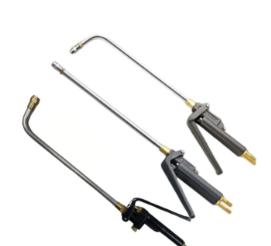
- High-Volume Low-Pressure (HVLP) Guns
- High airflow with low pressure ensures fine atomization and up to 65% transfer efficiency. Used for automotive parts requiring high surface quality.
- Low-Volume Low-Pressure (LVLP/LVMP) Guns
- Balances speed and efficiency with moderate pressure. Suitable for small/medium castings or repair work.
- Airless Spray Guns
- Uses high pressure (no compressed air) to atomize high-viscosity release agents. Requires robust pressure sources.
- Electrostatic Spray Guns
- Charges coating particles via an electric field for uniform adhesion to molds. High transfer efficiency but involves higher equipment costs.
By Material
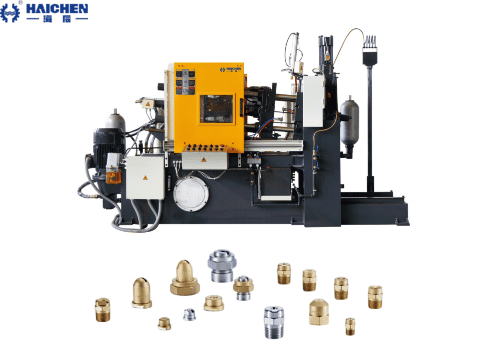
- Ceramic Nozzles
- High wear resistance, ideal for long-term high-pressure applications (e.g., aluminum die casting).
- Tungsten Carbide Nozzles
- Extreme wear resistance for corrosive materials like zinc alloys (Zamak).
- Stainless Steel Nozzles
- General-purpose, cost-effective, and corrosion-resistant for medium/low-pressure scenarios.
Specialty Guns
- Die Coat Flat Guns
- High-voltage-driven, ultra-fine nozzles (0.5mm) for precise release agent spraying. Features stainless steel fluid paths and lightweight designs.
- Dual-Fluid Guns (Liquid/Gas Hybrid)
- Combines gas and liquid flows for superior atomization, ideal for high-viscosity coatings or specialty alloys.
Key Selection Factors
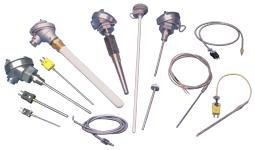
- Spray Pattern & Angle: Match nozzle geometry to mold complexity (e.g., Y-shaped for multi-gate, cross nozzles for uniform filling).
- Flow Rate & Pressure: High-pressure applications require ceramic or carbide nozzles.
- Material Compatibility: Use tungsten carbide for zinc alloys; stainless steel works for aluminum.
- Efficiency: HVLP for precision, airless guns for rapid large-area coating.
In simple terms
Die casting spray guns must align with structural requirements, material compatibility, and atomization technology. For example:
- Complex molds: Y-shaped nozzle + HVLP.
- High-wear scenarios: Tungsten carbide nozzles.
Brands like Haichen offer full ranges of nozzles for automated die casting machines.
What a Die Casting Spray Gun Actually Does?
In simple terms, a die casting spray gun (also called a release agent spray gun or mold sprayer) is one of the most important tools in the die casting process. Its main jobs are:
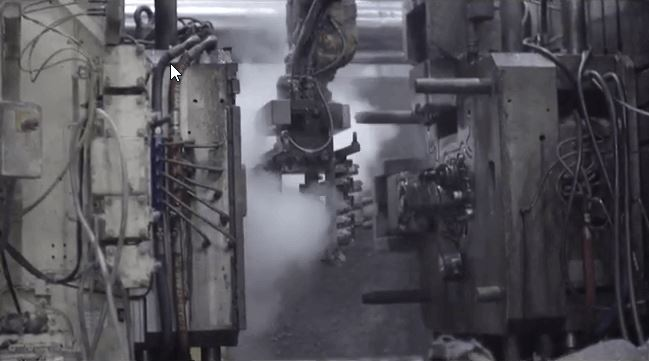
- Applying Release Agent
- Cooling the Mold
- Blowing and Cleaning
- How They’re Used in the Shop
Applying Release Agent
This is the spray gun’s primary job. Before the molten metal (like aluminum, zinc, or magnesium) gets injected into the mold, the spray gun coats the mold surface with release agent.
- Stops the part from sticking: The release agent forms a thin film that keeps the casting from welding itself to the mold, so the part can pop out cleanly without tearing.
- Protects the mold: The lubricants in the release agent reduce wear on the mold cavity, slides, and ejector pins, helping the mold last longer.
Cooling the Mold
Die casting is a constant heat cycle. After each shot, the mold gets really hot. When the spray gun applies the release agent (most are water‑based), it also acts as a cooler.
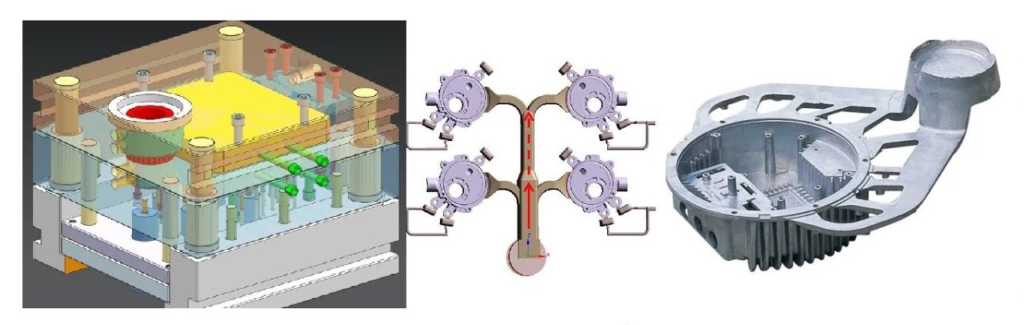
- Keeps the temperature steady: By controlling how much spray is used, it pulls heat off the mold and helps keep the temperature even across the tool.
- Prevents thermal fatigue: If the mold doesn’t cool evenly, it can start to crack from the constant heating and cooling. Good spray cooling helps avoid that.
Blowing and Cleaning
Most modern spray guns—especially automated ones—also have an air blow function.
- Cleans the mold: Before spraying, high‑pressure air blows away leftover release agent residue, tiny metal bits, or dirt so the new coat goes on a clean surface.
- Helps with ejection: Sometimes a quick blast of air can help a part release if it’s being stubborn.
How They’re Used in the Shop
- Manual spray gun: Used for small runs or trying out new molds. An operator holds it by hand. It’s flexible, but consistency depends on the operator, and it’s easy to waste release agent or cause uneven mold temperature.
- Automatic / robot spray gun: Used in high‑volume production. It’s programmed to control exactly how much release agent is sprayed, where it goes, and how long the spray/air/cool cycle lasts. It’s consistent, saves on release agent, and helps get more good parts.
The Bottom Line
The spray gun isn’t just a “lube sprayer.” It’s really the tool that controls mold temperature, makes sure parts release properly, and keeps quality consistent. If the spray isn’t right—too little and you get sticking or damage; too much and the mold gets too cold, causing cold shuts or porosity—you’re going to have scrap parts. That’s why in places like Mexico, where die casting is a big deal, picking the right spray gun and setting up the spray system properly is a huge part of running a successful operation.
Haichen Die casting machine spray gun
- Types and Functions of Spray Guns
- Key Factors in Spray Gun Selection
- Automation and Auxiliary Systems
- Applications and Advantages
- Technical Support and Quality Assurance
Types and Functions of Spray Guns
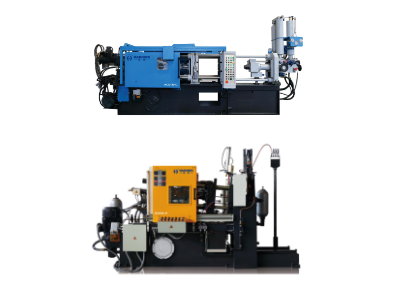
Haichen die casting machines utilize various spray nozzle designs tailored to production needs
- Y-Shaped Nozzles: Split molten metal flow into two directions, ideal for filling complex cavities or multi-gate molds, improving filling efficiency.
- Pinch Nozzles: Control metal flow via a “pinching” mechanism to reduce splashing and enhance filling precision, suitable for high-surface-quality products.
- High-Pressure Nozzles: Designed for high-pressure die casting (HPDC), ensuring stable injection of molten metal under extreme pressures, especially for aluminum, magnesium, and other high-temperature alloys.
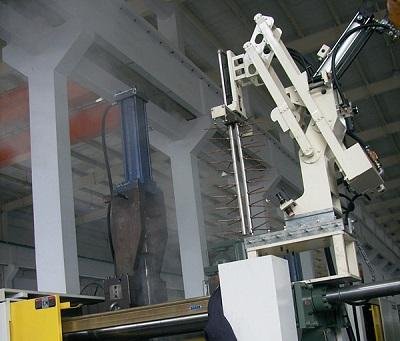
- Spray Devices: Used for mold lubrication and cleaning. Equipped with multi-nozzle spray heads, these devices enter the mold cavity after opening. They first blow air to clean surfaces, spray release agents to form a protective film, and then use a secondary air blast to remove excess lubricant, minimizing casting defects.
Key Factors in Spray Gun Selection
Haichen recommends selecting nozzles based on:
- Flow Rate and Pressure: Match process requirements (e.g., GPM or LPM) to ensure fluid delivery and atomization quality.
- Spray Pattern and Angle: Affects coverage uniformity; wider angles suit complex molds.
- Fluid Type: Compatibility between nozzle materials and lubricants/coolants (e.g., water-based or oil-based agents).
- Material Durability: High-temperature and corrosion-resistant materials (e.g., specialty steel) extend nozzle lifespan.
- Atomization Quality: Fine atomization improves release agent distribution and reduces residue.
Automation and Auxiliary Systems
Haichen integrates automation features for spray systems:
- Automatic Sprayers: Embedded in die casting cells for timed spraying during mold opening/closing cycles, boosting efficiency and reducing manual labor.
- Robotic Arms/Manipulators: Ensure precise positioning for complex mold geometries.
- Servo Control Systems: PLC or industrial controllers adjust parameters (pressure, timing) for consistent performance.
Applications and Advantages
- Enhanced Surface Quality: Reduces porosity and sticking, improving corrosion resistance.
- Extended Mold Life: Uniform lubricant coatings minimize wear and maintenance costs.
- Versatility: Adjustable spray systems accommodate horizontal/vertical machines and alloys (e.g., aluminum, zinc, magnesium).
Technical Support and Quality Assurance

Haichen spray components meet ISO 9001 and CE standards, with quality ensured through:
- Finite Element Analysis (FEA): Stress testing for critical parts (nozzles, spray units) to ensure durability.
- High-Performance Hydraulics: U.S./German components for reliability and rapid response.
- After-Sales Service: Spare parts (nozzles, seals) and on-site engineering support for long-term stability.
By the end
Haichen’s spray gun systems combine advanced nozzle designs, automation, and robust components to meet high-precision die casting demands. Proper nozzle selection and parameter optimization enhance efficiency, reduce defects, and prolong mold life. Final choices should align with material properties, mold complexity, and production goals. For technical specifications or customization, consult Haichen’s engineering team.


