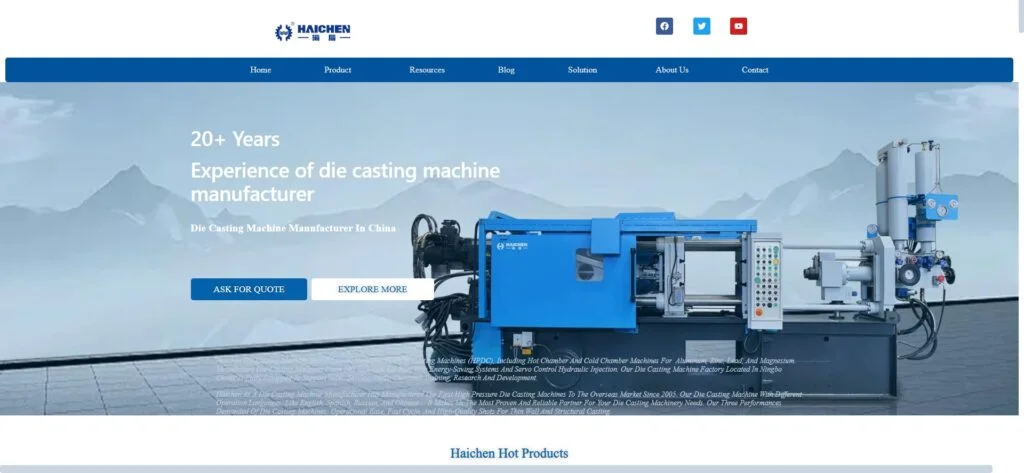
Every successful die casting process starts with one simple step—moving molten metal into the shot sleeve.
That’s where the die casting ladle comes in. Although it looks like a small tool, it has a big job.
A good ladle helps keep the metal clean, stable, and ready for every shot.
As a result, your production runs more smoothly, and your casting quality stays consistent.
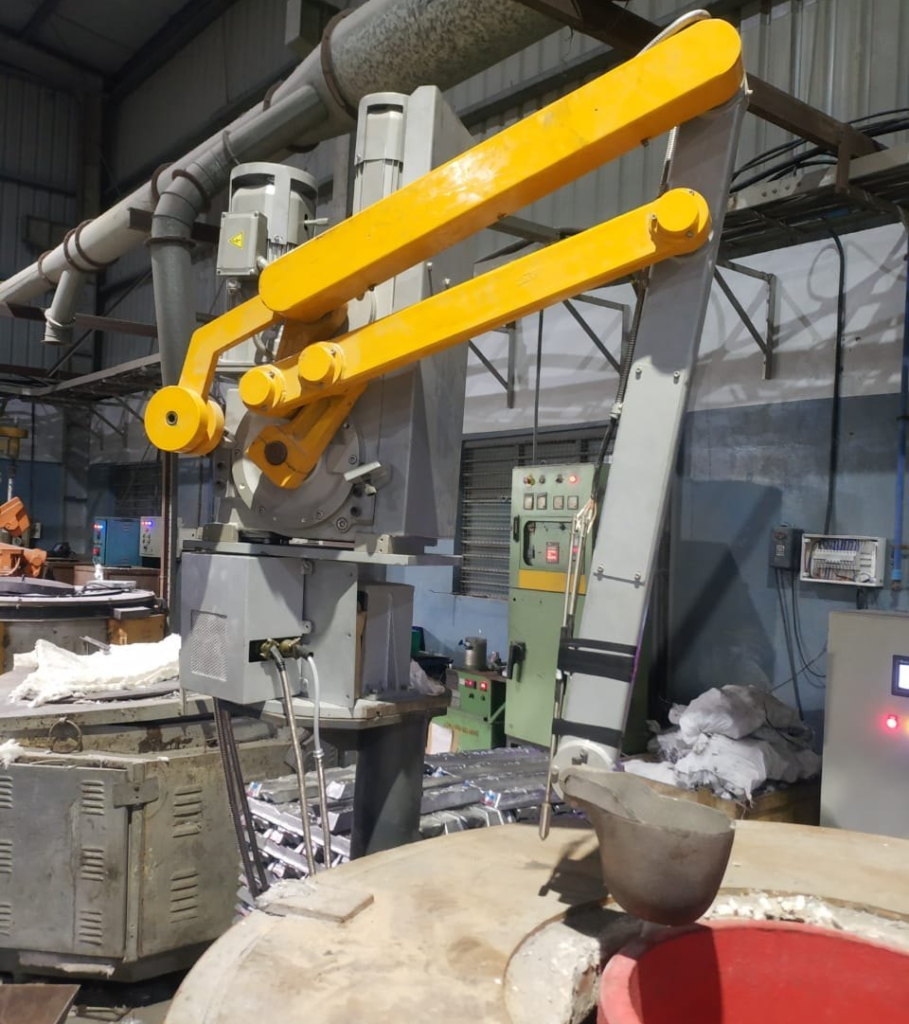
As a die casting machine manufacturer, we often help customers choose the right ladle based on their machine, alloy, and production target.
After all, the wrong ladle can slow down your line, waste metal, and increase defects.
So, let’s take a closer look at the main types of die casting ladles and how to pick the best one.
Types of Die Casting Ladles
Different factories have different production needs. Therefore, die casting ladles come in several designs. Each type works best in a specific situation.
Manual Ladles
Manual ladles are the simplest option. Workers use them to transfer molten metal from the furnace to the shot sleeve.
They work well for:
- Small production runs
- Sample testing
- Low-volume workshops
- Machine setup
The biggest advantage is the low cost. Besides that, they are easy to use and maintain.
However, manual ladles depend on worker skills, so the filling amount may change from shot to shot. In the long run, this can affect casting quality.
Automatic Ladles
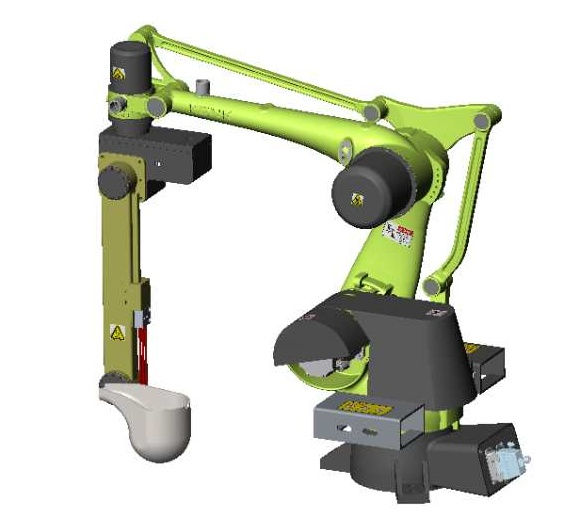
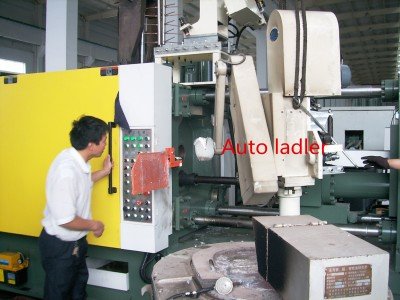
Automatic ladles are now the most popular choice for modern die casting factories. They move automatically and pour the same amount of molten metal every cycle.
Their advantages include:
- Higher production speed
- Better metal control
- Stable filling volume
- Less labor
- Improved safety
If your factory runs day and night, an automatic ladle is definitely the smarter choice. It keeps production steady while reducing human error. Simply put, it makes life much easier.
Servo Ladles
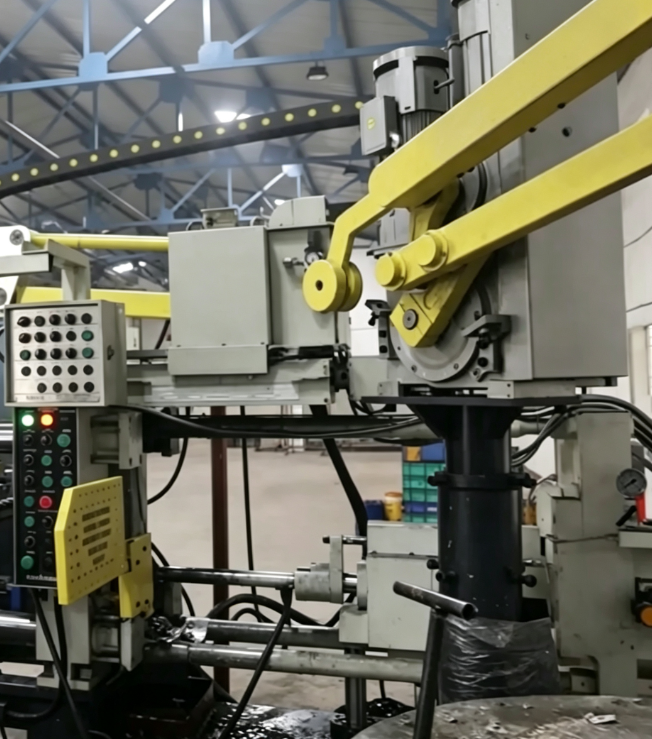
Servo ladles use servo motors to control movement with high accuracy. Compared with standard automatic ladles, they provide smoother operation and more precise pouring.
They are ideal for:
- Precision aluminum castings
- Automotive parts
- Electronic products
- High-speed production lines
Sure, the initial investment is higher. Even so, many manufacturers choose servo ladles because they improve consistency and reduce scrap. That’s a win-win.
How to Choose the Right Die Casting Ladles
Buying a ladle is not only about price. Instead, you should consider your production needs first.
Match the Ladle to Your Machine
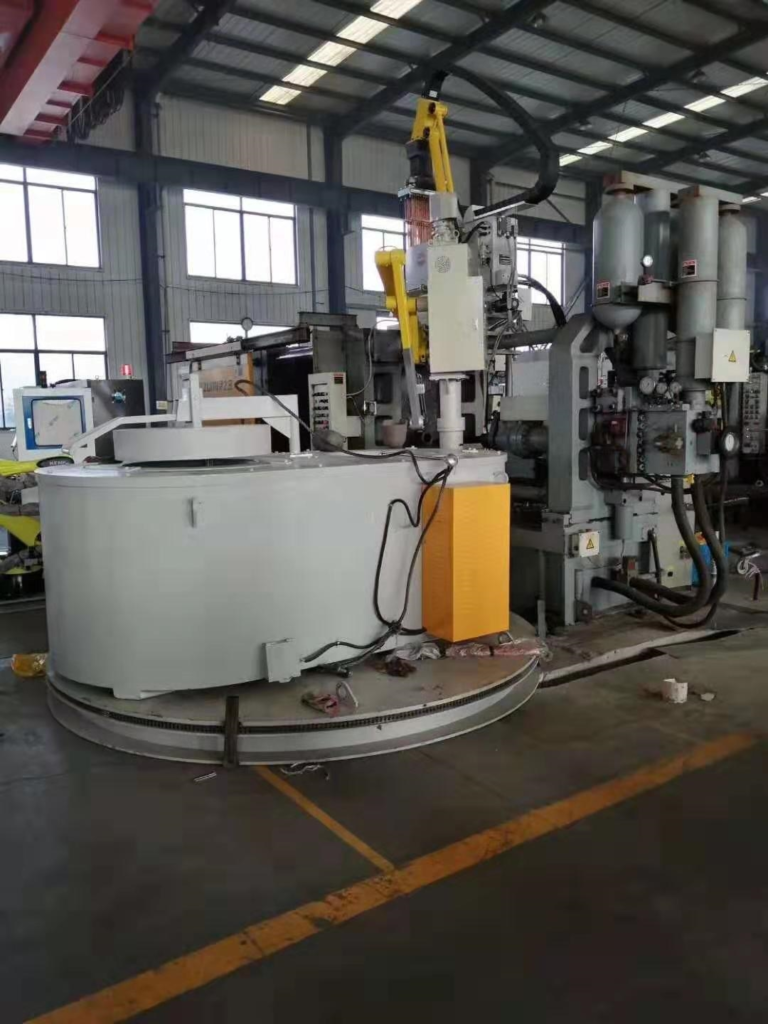
Every die casting machine has different requirements. Therefore, the ladle size and pouring speed should match the machine capacity.
Before buying, check:
- Machine tonnage
- Shot sleeve size
- Injection cycle
- Furnace position
- Metal type
When all these factors match, your production line works more efficiently.
Think About Your Production Volume
A small factory may only need a manual ladle. However, a busy production line needs automatic equipment to keep up with demand.
For example:
- Low output → Manual ladle
- Medium output → Standard automatic ladle
- High output → Servo ladle
Choosing the right solution today helps avoid expensive upgrades later.
Focus on Durability
A die casting ladle works under extremely high temperatures every day. Therefore, material quality matters a lot.
Look for features like:
- Heat-resistant steel
- Strong welding
- Stable pouring mechanism
- Long service life
Cheap equipment may save money at first, but it often wears out faster. Honestly, that’s not a bargain at all.
Why Choose a Professional Die Casting Machine Manufacturer
A good supplier offers much more than a machine. They also help you build a complete production system.
Complete Equipment Matching
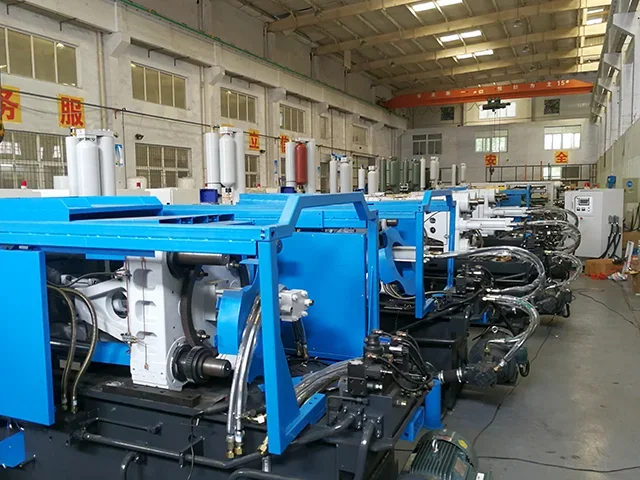
As a professional die casting machine manufacturer, we help customers choose the right ladle, furnace, shot sleeve, plunger tip, and automation equipment.
Because every part works together, the whole production line becomes more stable and efficient.
Technical Support and Custom Solutions
Every factory is different. Therefore, we recommend equipment based on your alloy, casting size, production target, and factory layout.
Our engineering team can help you:
- Select the right ladle model
- Improve pouring accuracy
- Reduce metal waste
- Increase production efficiency
- Lower maintenance costs
That way, you get a solution that fits your factory instead of a one-size-fits-all package.
Long-Term Value
Reliable equipment lasts longer and performs better. More importantly, stable production means fewer defects, less downtime, and happier customers.
In short, choosing the right partner is just as important as choosing the right machine.