A vacuum die casting machine removes trapped air and gases from the mold cavity before molten metal is injected — resulting in stronger, cleaner, and more reliable cast parts for your workshop or production line.
If you’re casting aluminum, magnesium, or other reactive metals, trapped air is your enemy. It creates porosity, voids, and weak spots — compromising part strength and causing scrap rates as high as 5-10% in conventional die casting.
A vacuum die casting machine solves this problem by evacuating the mold cavity before injection, reducing porosity by up to 85% and enabling T6 heat treatment without blistering. This guide covers the complete vacuum die casting machine picture — how it works, key benefits, applications, and real production data from HAICHEN installations.
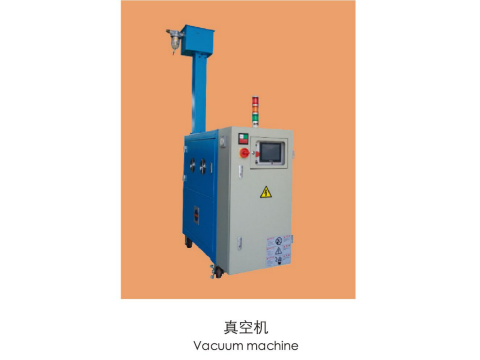
What Is Vacuum Die Casting?
Vacuum die casting is a specialized process where air and gases are evacuated from the mold cavity before molten metal is injected. The vacuum system creates a negative pressure environment, allowing the molten metal to fill the cavity completely without trapping air.s.
Why Trapped Air Is Your Enemy
In conventional die casting, the high-speed injection of molten metal traps air and gases in the mold cavity. This creates porosity, voids, and gas inclusions in the final part.
The problem with trapped air:
- Porosity: Air bubbles create internal voids that weaken the part structure
- Surface defects: Blisters, cold shuts, and oxidation marks on the surface
- Heat treatment issues: Trapped gases expand during T6 treatment, causing blistering
- Reduced strength: Tensile strength and elongation are significantly lower than theoretical values
- Leakage: Porosity creates paths for fluid or gas to escape, critical for housings and enclosures
The cost of trapped air: For a typical aluminum die casting operation, porosity-related defects account for 5-10% scrap rate. For critical applications like EV battery housings, a single leak failure can scrap the entire part — costing hundreds of dollars per piece.
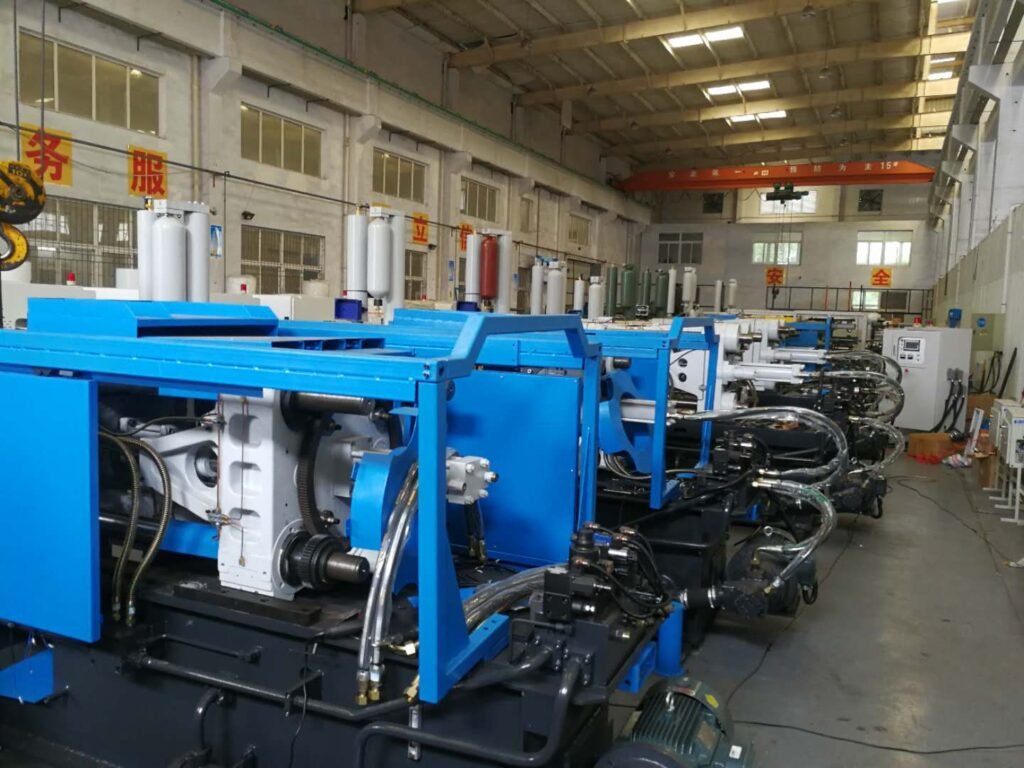
Key Purposes of a Vacuum Die Casting Machine
Remove Air and Gases
A vacuum machine used in die casting evacuates the die’s cavity, removing gases and trapped air. This step is critical since bubbles and voids can cause significant defects in the casting.
Improved Surface Finish
The vacuum device eliminates bubbles, improving the surface finish of the casting. Without trapped gases, enhanced flow of molten metal reduces the chances of surface defects during cooling and solidification.
Enhanced Structural Integrity
Air and gas removal enhances the casting’s structural integrity. Casting parts have better microstructure, making them stronger and more durable as a result of being manufactured in a vacuum environment.
Reduced Oxidation
The oxidation of molten metals is minimized while working within a vacuum. Therefore, better properties are retained in the casting.
Improved Material Yield
The efficiency of vacuum die casting machines increases the production of parts with better precision geometry for every batch cast. Waste is significantly reduced, increasing the number of usable parts per batch.
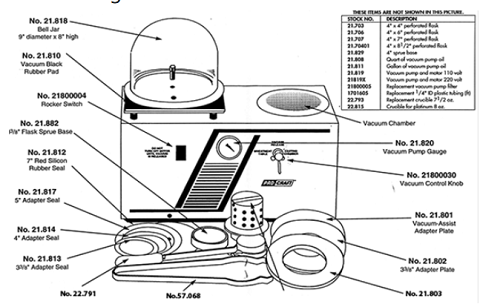
Vacuum Die Casting vs Traditional Die Casting
Here is how vacuum die casting compares to conventional die casting across key performance metrics:
| Metric | Vacuum Die Casting | Traditional Die Casting |
|---|---|---|
| Porosity level | Below 0.5% | 2-5% |
| Tensile strength | Higher (no gas weakening) | Lower (gas inclusions) |
| Elongation (AM60B) | Up to 16% | 8% typical |
| Surface roughness (Ra) | 0.8-3.2μm | 3.2-6.4μm |
| T6 heat treatment | Possible without blistering | Risk of blistering |
| Leak test pass rate | 97%+ | 85% typical |
| Scrap rate | Below 2% | 5-10% |
Key insight: The improved quality translates directly to cost savings — fewer scrapped parts, less rework, and higher customer satisfaction.
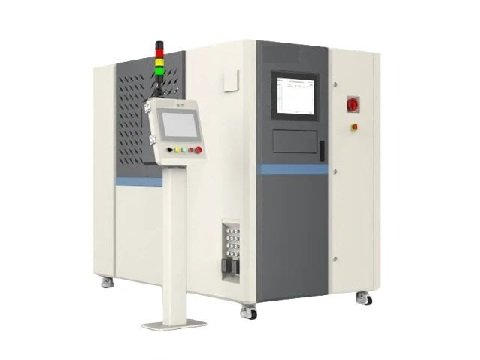
Impact on Product Quality
Enhanced Mechanical Properties
Reduction of porosity directly enhances tensile strength and elongation. For example, AM60B magnesium alloy elongation increases from 8% to 16%. Blister-free T6 heat treatment is possible, unlike gas-rich castings.
Superior Surface and Dimensional Integrity
Surface blemishes such as blisters and cold shut, as well as oxidation inclusions, no longer exist. Surface roughness reaches Ra 0.8-3.2μm, achieving less need for post machining.
Material-Specific Benefits
For aluminum and magnesium alloys, controlled vacuum casting reduces gas interaction problems and porosity shrinkage, increasing overall quality.
Industrial Applications
Vacuum die casting is vital for high reliability components across industries:
Automotive: Engine blocks, structural chassis components. Tesla’s giga-castings employ vacuum systems for streamlined production.
Aerospace: Turbine blades with high density, zero porosity requirements due to extreme pressure.
Electronics: Complex finned magnesium alloy radiator heat sinks requiring high thermal conductivity and tight dimensional tolerances.
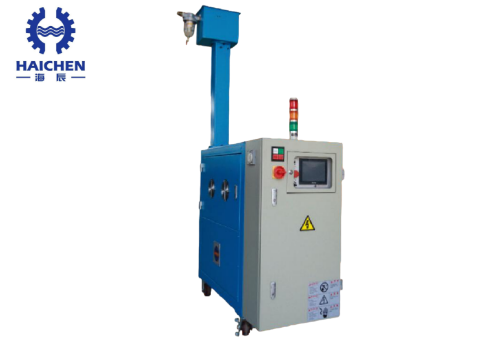
HAICHEN Vacuum Die Casting Solutions
HAICHEN vacuum die casting machines are designed to deliver consistent, high-quality castings with minimal porosity. The vacuum system evacuates the mold cavity before injection, ensuring gas-free filling and solidification.
Key features of HAICHEN vacuum die casting systems:
- Integrated vacuum pump with rapid evacuation capability
- Precise vacuum level control (adjustable per alloy and part geometry)
- Seamless integration with injection process (vacuum on before injection, off after cavity fill)
- Real-time vacuum monitoring and alarm system
- Compatible with aluminum, magnesium, and other reactive alloys
Application Case – New Energy Vehicle Battery Housing
Challenge: A manufacturer producing aluminum battery housings required IP67 watertight rating with leak rate below 1.5cm³/min.
HAICHEN Solution: HAICHEN vacuum die casting system with optimized vacuum parameters for the specific alloy and part geometry.
Results:
- Porosity decreased from 3.2% to below 0.5%
- Leak test pass rate increased from 86% to 97%
- T6 heat treatment possible without surface blistering
- Met stringent OEM watertight standards
Frequently Asked Questions
Q: What is a vacuum die casting machine?
A: A vacuum die casting machine incorporates a vacuum system that evacuates air and gases from the mold cavity before molten metal is injected, minimizing porosity and improving part quality.
Q: Why do I need vacuum die casting?
A: Trapped air causes porosity, blisters, and weak spots. Vacuum die casting reduces porosity by up to 85%, enables T6 heat treatment, and improves mechanical properties — leading to fewer scrapped parts and higher quality.
Q: How much does vacuum die casting reduce porosity?
A: Traditional die casting typically has 2-5% porosity. With vacuum systems, porosity can be reduced to below 0.5% — an 85% reduction that makes a substantial difference in part strength and reliability.
Q: Is vacuum die casting suitable for all alloys?
A: It is especially beneficial for aluminum, magnesium, and other reactive metals that are prone to gas entrapment. The benefits are most pronounced for large, thin-wall, or structural parts.
Q: What is the typical ROI for a vacuum system?
A: For most operations, ROI is achieved within 12-18 months through reduced scrap, fewer defects, and the ability to produce higher-value parts with better quality. For critical applications like EV battery housings, ROI can be even faster.
Q: Can I add vacuum to my existing die casting machine?
A: Yes — HAICHEN offers vacuum system retrofits for most major die casting machine brands. The system can be integrated with minimal production interruption.


