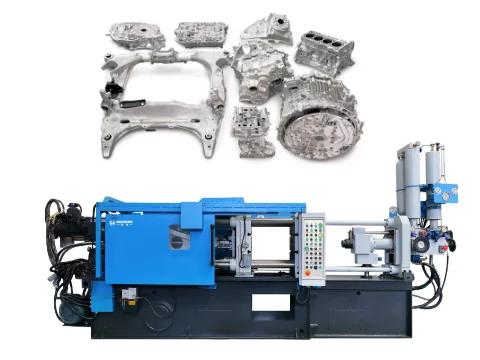
Zinc alloy and aluminum alloy are two dominant metal materials for modern die casting manufacturing.
First of all, both alloys support high-speed mass production and precise part forming.
Moreover, they fit most industrial die casting machine processing demands.
In addition, they cover automotive, electronic and hardware industries widely.
For die casting manufacturers and buyers, understanding these two common alloys helps select suitable materials for different production projects.
Basic Definition & Features
Aluminum Alloy Basics
To start with, aluminum alloy mixes pure aluminum with small amounts of other metal elements.
Common die casting aluminum alloys include ADC12 and A380, the most popular grades in the industry.
This alloy has low density and ultra-light weight. Meanwhile, it owns excellent heat dissipation and anti-corrosion performance.
Besides, it keeps stable mechanical strength under high temperature working conditions.
For this reason, aluminum alloy becomes the first choice for lightweight die casting production.
Zinc Alloy Basics
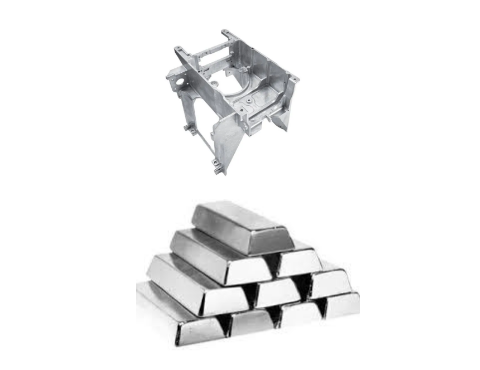
Next, zinc alloy takes zinc as the main base metal, with added aluminum and magnesium elements. Zamak 3 is the most widely used zinc die casting alloy on the global market.
It has higher density than aluminum alloy and delivers great surface smoothness.
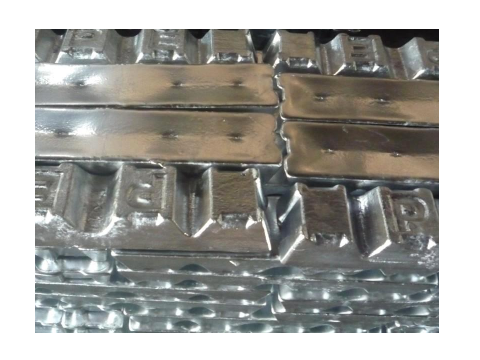
Furthermore, zinc alloy features low melting point and good liquid fluidity. So it easily forms tiny and complex structural details in die casting processing.
| Parameter | Zinc Alloy | Aluminum Alloy |
|---|---|---|
| Density | About 6.6 g/cm³ | About 2.7 g/cm³ |
| Melting Point | 380 – 430 °C | 580 – 660 °C |
| Common Grade | Zamak 3, Zamak 5 | ADC12, A380 |
| Die Casting Type | Hot chamber machine | Cold chamber machine |
| Surface Finish | Very smooth | Smooth |
| Weight Level | Heavier | Much lighter |
Core Performance Differences
Weight & Heat Resistance
First and foremost, weight difference stands out between the two alloys. Zinc alloy is nearly 2.4 times heavier than standard aluminum alloy.
On the other hand, aluminum alloy maintains stable performance in high-temperature environments.
In contrast, zinc alloy may lose partial hardness under continuous high heat. Therefore, aluminum alloy adapts to heat-generating equipment parts better.
Precision & Surface Quality
Apart from physical performance, they differ greatly in forming precision.
Zinc alloy has better fluidity to fill fine mold cavities completely. It supports tight dimensional tolerance and smooth original surface.
Meanwhile, it accepts various surface treatments like plating and powder coating.
In turn, zinc die castings show better cosmetic effects for precision hardware and electronic parts.
Production & Durability
Furthermore, the two alloys have different production adaptability.
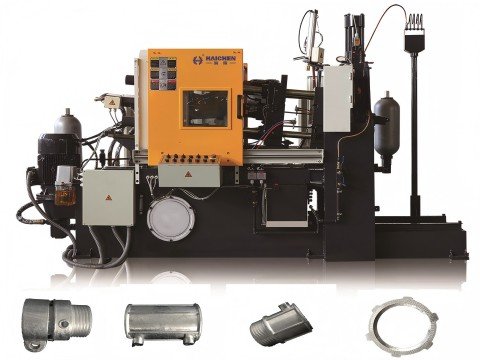
Zinc alloy has a low melting point, so hot chamber die casting machines process it efficiently. It also extends mold service life greatly.
But aluminum alloy needs cold chamber die casting equipment for processing.
At the same time, aluminum alloy has stronger structural durability and anti-fatigue ability for long-term industrial use.
Main Industrial Applications
Aluminum Alloy Application Scenarios
For one thing, aluminum alloy focuses on lightweight and high-heat industrial fields.
Manufacturers use it to produce new energy vehicle parts, heat sinks, motor housings and large mechanical shells.
Because of its light weight and heat resistance, it reduces equipment load and improves energy efficiency. In brief, it suits large-size and heat-resistant die casting products perfectly.
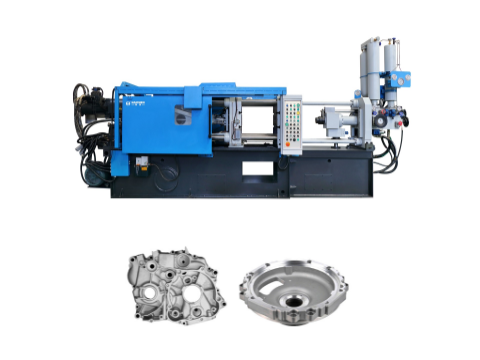
Zinc Alloy Application Scenarios
For another thing, zinc alloy serves small precision industrial parts.
It fits electronic connectors, precision hardware, decorative accessories and small structural components.
Its high precision and good surface finish cut secondary processing steps. Correspondingly, it lowers production costs for small-batch and high-precision die casting projects.
All in all, zinc alloy and aluminum alloy have unique advantages for die casting production. Aluminum alloy excels in lightweight, heat resistance and large part manufacturing.
Meanwhile, zinc alloy takes the lead in precision forming and surface quality.
As a professional die casting machine manufacturer, we match suitable equipment and processing solutions for different alloy materials to help clients gain better product quality and production benefits.