Common crucible types include graphite crucibles , silicon carbide crucibles, and cast iron or steel crucibles. Below is 9 of the most popular and commonly used types of crucibles.
Crucibles are essential containers for melting, holding, and transferring molten metal in die casting production. Their material selection and structural design directly affect metal quality, energy consumption, and crucible service life. Different crucible types suit different alloys and melting conditions.
This article introduces nine common crucible types used in the die casting industry, classified by material, furnace type, and shape, with explanations of their characteristics and applications. Basic principles for crucible selection are also provided to help manufacturers make informed choices.
As a die casting equipment supplier, HAICHEN offers various crucible specifications compatible with different alloys and furnace types, meeting customer production requirements.
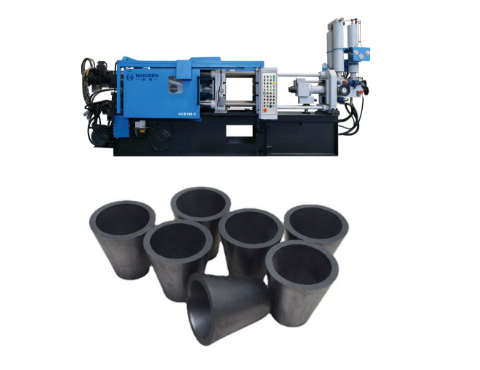
What types of crucibles
This 9 types of crucibles with different using and materials.
- Silicon Carbide Graphite Crucible
- Clay-graphite crucible
- Crucible with spout
- U-shaped crucibles
- Large bowl crucible
- Isostatic Graphite Silicon Carbide Crucible
- Alumina Crucibles
- Metal Crucibles
- Zirconia Crucibles
Silicon Carbide Graphite Crucible:
This kind of crucible is widely use in the melting of aluminum, aluminum alloy, zinc distillation, copper, lead, tin, gold, silver and other non-ferrous metals. It has good thermal conductivity and long service life,. And is one of the commonly use crucible types in die-casting industry.
Clay-graphite crucible:
This kind of crucible is also widely use in the melting of non-ferrous metals. Such as high purity aluminum, aluminum alloy, aluminum intermediate alloy and so on. It combines the advantages of clay and graphite and has better high temperature resistance and corrosion resistance.
Crucible with spout:
These crucibles are commonly use in aluminum die casting and foundries to meet diverse production needs.
U-shaped crucibles:
These crucibles are design for specific melting processes to improve melting efficiency and quality.
Large bowl crucible:
This crucible is suitable for occasions requiring large capacity melting. And is commonly use for holding the melt in the die-casting process.
Isostatic Graphite Silicon Carbide Crucible:
This crucible adopts advanced isostatic molding technology with high thermal conductivity and long service life. Which is suitable for the continuous production of large castings.
Alumina Crucibles:
Highly resistant to thermal shock and chemical corrosion, making them suitable for laboratory use and high-temperature applications.
Metal Crucibles:
Used for melting metals, they are typically made from stainless steel or other alloys.
Zirconia Crucibles:
Excellent for high-temperature applications and are resistant to chemical attack, often used in metal casting.
A crucible is a vessel for melting metal elements and is use to cast metal elements into new objects or to make new alloys. Crucibles are traditionally made of ceramic materials that can withstand very high temperatures. The melting point of the crucible material should always be much higher than that of the heated material. Crucibles can also be made of steel or iron and are use to melt softer metals. Such as aluminum and zinc as the melting point of these metals is lower than that of the crucible material.
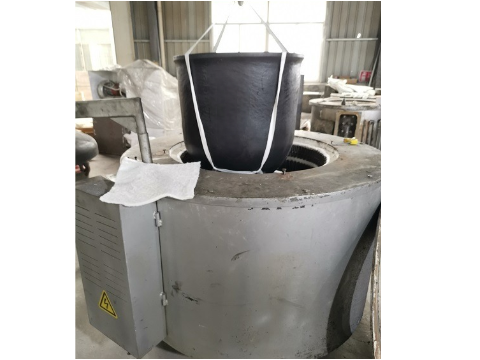
Basic Principles for Crucible Selection
Consider the following factors when selecting crucibles:
- Alloy Type: Silicon carbide graphite crucibles are recommended for aluminum melting due to good erosion resistance and thermal conductivity. Clay graphite or metal crucibles suit zinc alloys. Copper alloys require silicon carbide crucibles with higher refractoriness.
- Furnace Type: Crucibles for resistance furnaces require good thermal shock resistance. Crucibles for induction furnaces need good electromagnetic penetration and mechanical strength.
- Operating Temperature: Ensure the crucible’s maximum service temperature exceeds actual melting temperature by at least 100℃ to avoid softening and deformation.
- Capacity Matching: Crucible capacity should match the shot volume of the die casting machine, avoiding prolonged metal residence in the crucible that causes gas absorption or composition changes.
Proper crucible selection can extend service life by over 30% while improving metal quality.
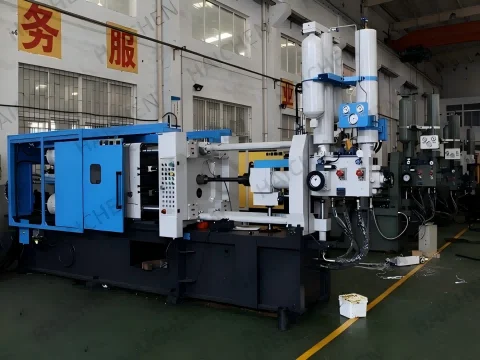
Types for Die casting machine crucibles
According to material, furnace and shape, there are 6 common types of crucibles for die casting machines as follows.
Classification by material
- C material crucible:It is mainly used for melting aluminum, aluminum alloy, zinc alloy and frying aluminum ash and other purposes. C material crucible has excellent resistance to low temperature oxidation, which makes the crucible have good thermal conductivity for a long time, and at the same time effectively prevents the crucible from losing strength due to oxidation.
- CD material crucible:Mainly used for distillation of zinc oxide and melting of copper alloys, also can be used for melting of copper, gold, silver and other rare metals as well as intermediate alloys and master alloys. It is more resistant to high temperature than ordinary isostatic crucible and more effective in resisting the erosion of zinc vapor on the crucible.
Classification by Furnace
- Crucible for Resistance Furnace:Special for resistance furnace, suitable for melting and keeping warm of aluminum alloy and zinc alloy. Product CharacteristicsGood resistance to cracking, very few cracks in crucible. Applicable metal melting point 620-920℃.
- Crucible for induction furnace:Crucible for Induction Furnace is an important part used in electromagnetic induction furnace, and its main function is to realize the effective transfer of induction heating energy and melting of metal. According to the type of melting metal, the crucible for induction furnace can be divided into two types: low-temperature type and high-temperature type.
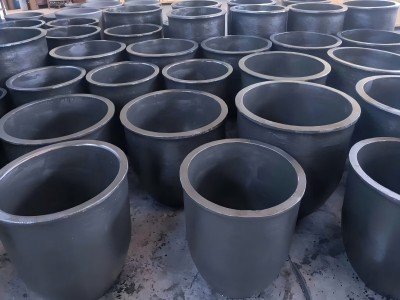
Classification by shape
- Oval Crucible: An oval crucible is a crucible with a special shape that is commonly used in high temperature processes such as metal melting and casting. Oval crucibles provide higher melting efficiency and more uniform heating in some applications than traditional round or square crucibles.
- Crucible with spout: Usually used in casting and metal melting processes, especially in the casting of metals such as aluminum alloys and copper alloys. These crucibles are characterized by one or more sprues (gates), which are used to guide and pour the molten metal into molds or other containers when melting the metal.
Die casting crucibles are mainly used for melting and holding aluminum and zinc alloys at temperatures between 850°C and below. They are usually made of high-temperature-resistant materials such as graphite or silicon carbide, which have good crack and corrosion resistance and can effectively prevent cracks from occurring at high temperatures.
The selection of the crucibles depends on the specific die casting process requirements, metal type, as well as productivity, and cost considerations. As technology advances, crucible materials and designs are being optimized to meet the growing needs of the die-casting industry. The following are common types of crucibles.
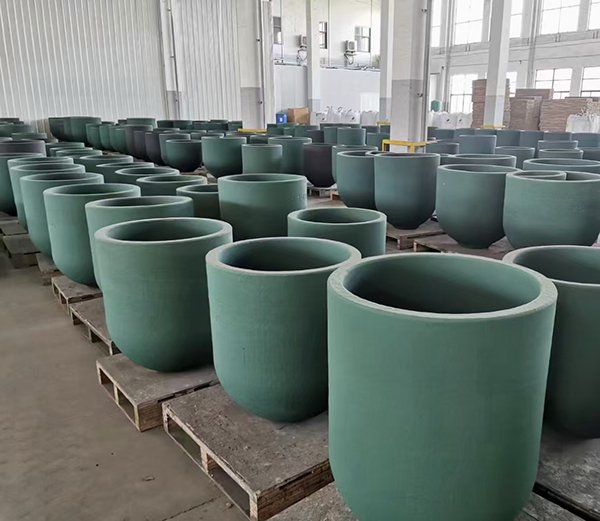
Haichen die casting crucibles
Haichen, a factory specializing in the production of die casting machine crucibles. Here are some advantages of Haichen die casting crucibles:
- High Temperature Resistance
- Durability and Longevity
- Chemical Resistance
- Various Sizes and Designs
High Temperature Resistance
Haichen crucibles are designed to withstand high temperatures, making them suitable for melting metals with high melting points such as aluminum, zinc, copper, and other alloys.
Durability and Longevity
The use of high-quality materials, such as premium graphite-based composites or other advanced refractory materials, ensures that these crucibles can withstand frequent use in high-temperature environments. The robustness of Haichen crucibles minimizes the risk of cracking, erosion, or failure, helping to reduce maintenance costs and downtime in die casting operations.
Chemical Resistance
Haichen die casting crucibles are designed to be resistant to chemical corrosion and oxidation, which is especially important when melting reactive or easily oxidized metals. For example, aluminum and zinc alloys react easily with oxygen in the air. The materials used in Haichen crucibles help to protect the molten metal from contamination, thus ensuring better quality castings.
Various Sizes and Designs
Haichen offers a variety of sizes and designs to meet different metal casting needs. Whether for small or large scale die casting operations, Haichen crucibles are sized to meet the specific needs of the foundry or fabricator.
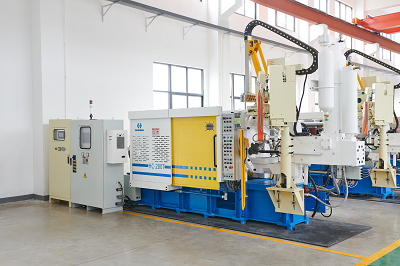
Daily Use and Maintenance of Crucibles
- Preheating Procedure
- Slag Removal
- Impact Prevention
- Regular Inspection
Preheating Procedure
New crucibles should be slowly preheated to 200-300℃ before first use and held for over 2 hours to remove moisture. Preheat crucibles to dark red (approximately 400-500℃) before each charging to avoid thermal shock from cold material.
Slag Removal
Clean slag from the inner wall and bottom after each shift. Use special tools to gently scrape, avoiding damage to the crucible wall. Slag accumulation reduces thermal efficiency and increases energy consumption.
Impact Prevention
Charge materials gently, avoiding direct impact of large cold pieces on the crucible bottom. For large crucibles, use charging chutes or slides to guide material in.
Regular Inspection
Check weekly for cracks, spalling, or local thinning on inner and outer walls. Replace immediately if diameter expansion exceeds 5% or penetrating cracks appear.
Following these maintenance points can extend crucible service life by 30-50% while reducing metal contamination risk.
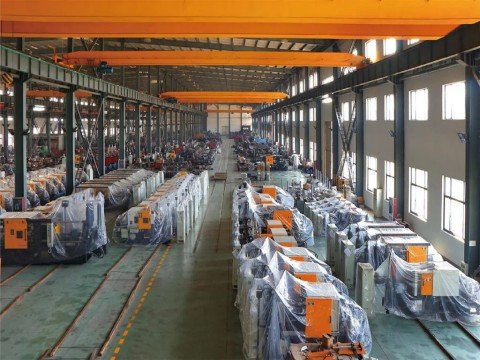
Haichen Machinery has rich experience in producing die casting products. We can give you professional technical support from choosing raw materials, customizing molds, selecting molds to after-sales service. If there is any demand about die casting machine and die casting molds, welcome to visit our website to know the production information of different products.


