Zinc die casting process is an efficient and precise metal manufacturing process that is widely used to produce complex and precision metal components.
Zinc die casting process is a manufacturing method that injects molten zinc alloy into precision mold cavities under high pressure, where it solidifies rapidly to form metal parts.
Correctly understanding each parameter’s role and their inter connection is fundamental for quality castings. Through scientific parameter setting, strict process execution, and targeted defect prevention, manufacturers can significantly improve yield rates and production efficiency.
This article explains the core steps of the zinc die casting process, details key control parameters at each stage, describes common defects and prevention methods, and shows through HAICHEN cases how our equipment ensures process stability and production efficiency.
Zinc die casting process
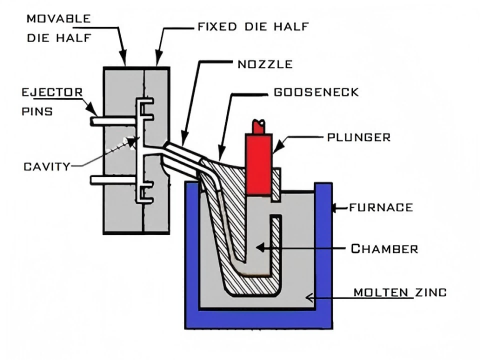
Its main features and processes are as follows:
Melting and Control of Zinc Alloy
Zinc alloy is typically heated to its melting temperature of 380 to 480°C (776 to 902°F) in a melting furnace. And then maintained within this temperature range for stable control.
This ensures the uniformity of the molten metal, thereby enhancing the dimensional accuracy and surface quality of the finished products.
Mold Preparation
Die casting molds consist of two halves. It is usually made of hardened steel, which are used to form the shape of the final product.
The molds need to be precisely machined and lubricated to ensure that the molten zinc can be smoothly injected into the mold and facilitate the subsequent demolding operations.
Injection and Cooling
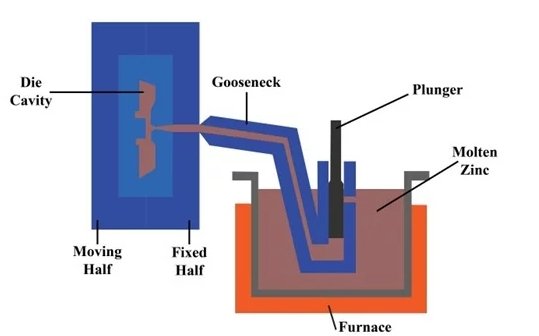
The molten zinc is injected into the mold under high pressure, typically through a component known as a “gooseneck.”
After injection, the zinc solidifies rapidly as it cools, forming the desired part. The cooling time depends on the size and complexity of the part. It usually ranging from a few seconds to several minutes.
Mold Opening and Part Ejection
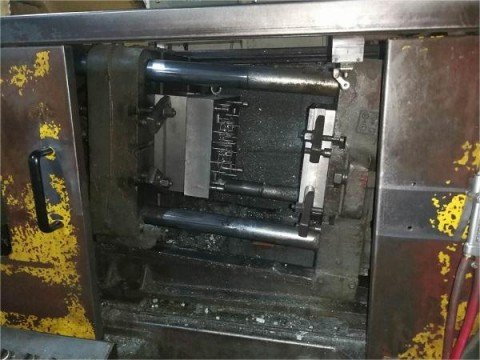
The cooled zinc part is pushed out of the mold, generally using ejector pins or other mechanical devices.
After demolding, the part may have burrs or flash that require further processing.
Post-Processing
The demolded parts may need to undergo subsequent machining processes such as grinding, polishing, drilling, and tapping to improve surface quality or add functionality.
Additionally, surface treatments like electroplating, painting, and anodizing can be applied to enhance the corrosion resistance and aesthetic appearance of the parts.
Quality Inspection
Finally, the finished products undergo strict quality inspection, including dimensional tolerances, surface defects, and mechanical properties.
That to ensure that all parts meet the required standards of the customers.
Key Parameter Control in Zinc Die Casting
Precise control of process parameters is essential for high-quality zinc die castings.
These parameters directly affect forming quality and production efficiency.
Temperature Parameter Control
- Zinc alloy melt temperature must strictly control within 420-450°C range
- Higher temperatures increase oxidation and reduce fluidity
- Mold temperature typically keep at 150-200°C, complex thin-wall parts may need 220°C
- Temperature distribution must be uniform, cavity surface temperature difference within ±10°C
Pressure and Speed Parameters
- Injection pressure determines filling capability, typically choose 20-40MPa
- Injection speed has two stages: slow shot 0.2-0.4m/s for venting, fast shot 2-5m/s for filling
- Intensification pressure adapt to feeding, usually 1.5-2 times injection pressure
Time Parameter Control
- Filling time is extremely short, normally finishe within 0.01-0.05 seconds
- Holding time maintains 1-3 seconds to ensure adequate feeding
- Cooling time determined by wall thickness, normally at 1-2 seconds per mm
Release Agent Spray Parameters
- Spray flow adjusts based on mold size, typically 0.5-2L/min
- Atomization pressure control in 2-4bar to ensure even coating
- Spray time occupy cycle time 10-15%, avoid excess or insufficient
Advantages of Zinc Die Casting
High Precision and Dimensional Consistency:
Zinc alloy has good fluidity, enabling the production of parts with high precision and complex shapes.
High Production Efficiency:
Due to the low melting point and rapid cooling characteristics of zinc alloy, the zinc die casting process is fast, typically producing multiple parts per minute.
Cost-Effectiveness:
Compared to other metals such as aluminum and magnesium, zinc has a lower melting point, longer mold life, and lower processing costs, making it highly cost-effective.
Wide Range of Applications:
Zinc die castings are widely used in industries such as automotive, electronics, consumer electronics, and machinery. And they are suitable for manufacturing complex parts like car door locks and electronic enclosures.
Zinc die casting machine supplier: Haichen Machinery
Haichen Machinery (Haichen Machinery) is a professional supplier of zinc alloy die casting machine, the following is a detailed introduction about its zinc alloy die casting machine and related services:
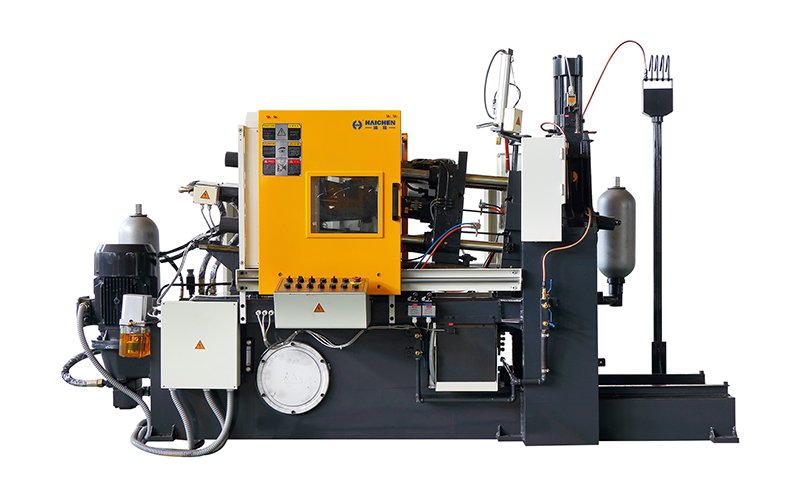
Professional design
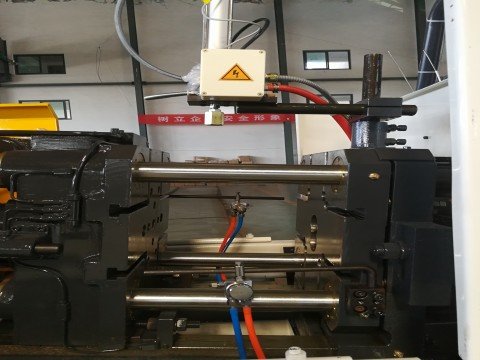
Haichen’s zinc alloy die casting machines adopt advanced design concepts, and its H series hot chamber die casting machines are specially designed for low melting point metals (such as zinc alloy medal and lead alloy). The injection cylinders and pressure chambers of these machines are arranged vertically, and the pressure chambers are immersed in the molten metal in the furnace, simplifying the operation process.
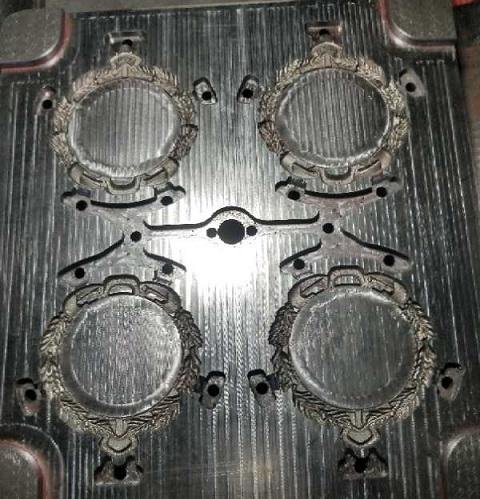
High efficiency and energy saving
Haichen’s die casting machines offer both fixed pump and servo system options for energy saving. Its hot chamber die casting machines allow the injection and solidification processes to be carried out quickly and continuously due to the fact that the molten metal liquid is always in a molten state, thus increasing production efficiency.
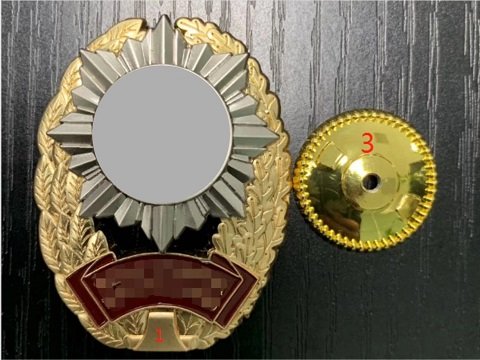
High-quality castings
High-quality castings can be obtained using lower pouring temperatures due to the fact that the molten metal flows in a closed pipe, with little temperature fluctuation and less possibility of oxidized inclusions.
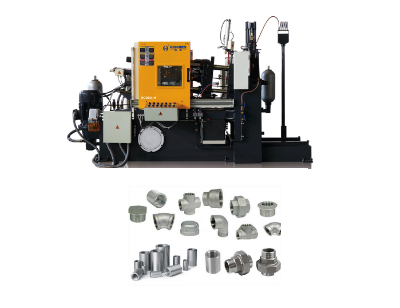
If you are interested in Haichen’s zinc alloy die-casting machine, welcome to consult us.


