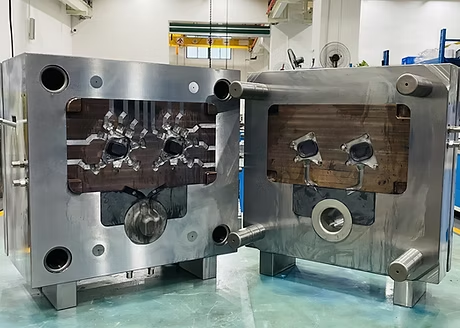
Adding aluminum to zinc alloys has a number of significant advantages:
- Improved mechanical properties
- Reduced solidification temperature
- Reduced corrosiveness
- Better Weight-to-Strength Ratio
Aluminium can improve mechanical properties, such as strength and hardness, due to aluminum’s solution strengthening and grain refinement.
In addition to this, there are also aspects such as fluidity and corrosion resistance.
Among them, when the addition amount of aluminum is 2-4%, the tensile strength and elongation are the best, but more than 6% will decrease.
This helps with casting performance, especially in the die casting process, which is easier to shape and get castings with smooth surfaces.
In addition, aluminum can form an oxide film, especially in the coating, and the corrosion resistance is better when the aluminum content is higher.
At the same time, aluminum also reduces the erosion of iron by zinc, which is good for mold life.
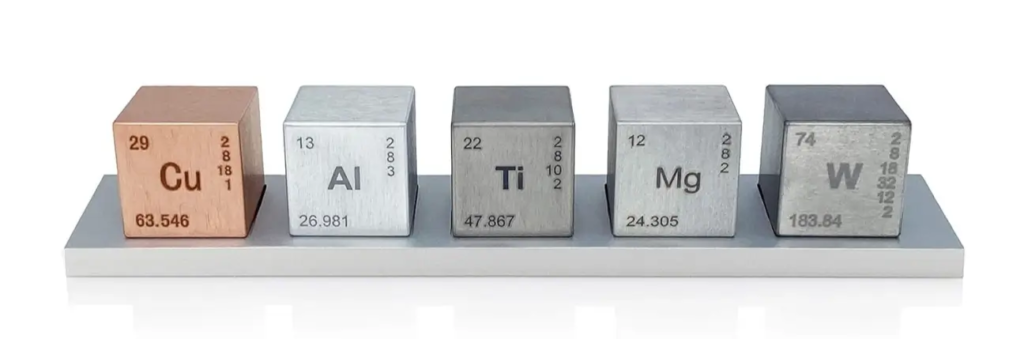
What is Zinc Alloy?
Zinc alloys are mostly zinc, but they also have small amounts of other metals like aluminum, magnesium, and copper mixed in.
These additions make the zinc stronger, more flexible, and less likely to rust.
For example, adding aluminum makes the zinc harder, while magnesium helps it resist bending over time.
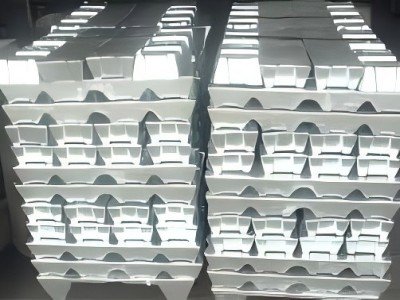
Adding aluminum to zinc alloys
- Improved mechanical properties
- Reduced solidification temperature
- Reduced corrosiveness
- Better Weight-to-Strength Ratio
Improved mechanical properties
The addition of aluminum can significantly enhance the strength and hardness of zinc alloys.
When the aluminum content is between 3.9% and 4.3%, the strength and impact value of the alloy reach its best.
In addition, aluminum refines the grains, which improves the overall mechanical properties of the alloy.
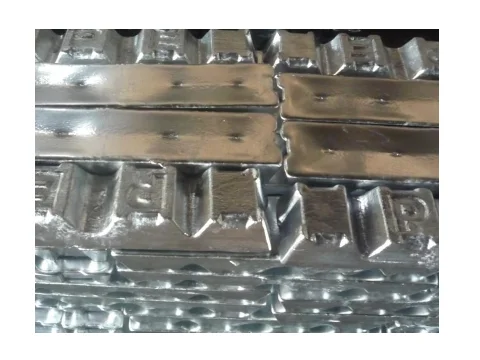
Aluminum improves the fluidity of Zink legering, making them easier to die-cast.
At 5% aluminum, the alloy has the best flowability.
Which helps to produce precision parts with smooth surfaces and complex shapes.
Reduced solidification temperature
The addition of aluminum lowers the solidification temperature of the zinc alloy, allowing the alloy to solidify at a lower temperature, thereby reducing the risk of hot cracking.
The specific properties of alloys depend on the metals used to manufacture them.
For instance, when aluminium is mixed with zinc, the resulting alloy not only has the luster of gold but also enhances the strength of aluminium.
Alloys are more corrosion-resistant, stronger, easier to process and less costly than pure metals.
Factors such as the composition of an alloy or its production method can affect its ductility, brittleness and machinability.
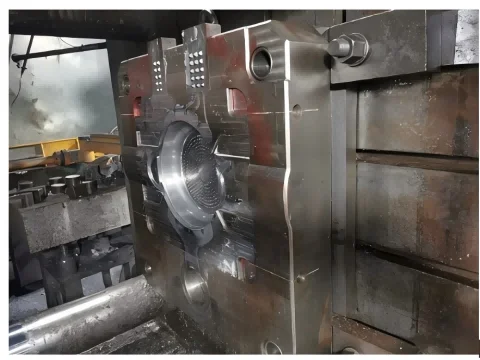
Reduced corrosiveness
Aluminum reduces the reaction rate between zinc and iron, reducing the ability of Zink legering to corrode iron materials, thereby extending the service life of molds and equipment.
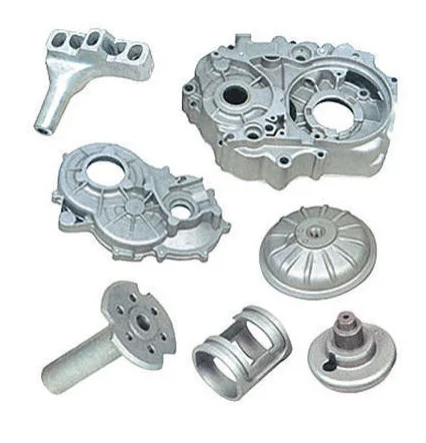
Better Weight-to-Strength Ratio
For mass, alloyed metals can be less dense than pure metals while maintaining the same strength.
The automotive and aerospace industries prize aluminum and titanium alloys for their lightweight strength.

Specific Effect of Aluminum on the Solidification
- Temperature of Zinc Alloys Improve the fluidity of the alloy
- How to optimize the solidification process by adding aluminum to zinc alloys?
Temperature of Zinc Alloys Improve the fluidity of the alloy
Aluminium materiaal is a common added element in zinc alloys.
Which can improve the fluidity of the alloy and improve the mechanical properties of the alloy in a large range.
High-alumina-zinc-based alloys (such as ZA series) have a wide range of solidification temperatures, and the solidification method is paste solidification.
Zinc alloys with higher Aluminium materiaal content (such as ZA-27) have the widest solidification temperature, and dendrite segregation and regional segregation are the most severe.
How to optimize the solidification process by adding aluminum to zinc alloys?
An increase in the aluminum content leads to a wider range of solidification temperatures for zinc alloys, resulting in longer solidification times.
The fluidity of high-alumina-zinc alloys is comparable to that of aluminum-silicon alloys, but they are prone to bottom cratering.
which is related to the aluminum content.
The heat treatment process can refine the structure of zinc-aluminum-zinc alloy and improve its strength and toughness.
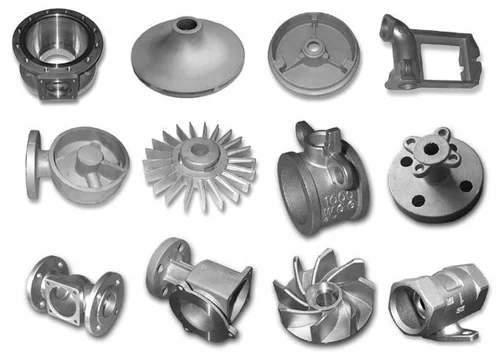
Advantages of adding aluminum to zinc alloys at high temperatures
- Excellent High-Temperature Stability and Durability
- High-Temperature Passivation and Corrosion Resistance
- Application Value in High-Temperature Scenarios
Excellent High-Temperature Stability and Durability
Zinc-aluminum alloys deliver superior performance in high-temperature environments, especially above 200 degrees Fahrenheit.
Thanks to unique self-healing properties, the alloys retain a long service life even when exposed to external corrosion.
They also feature outstanding heat resistance and oxidation resistance for stable operation under continuous high-temperature conditions.
High-Temperature Passivation and Corrosion Resistance
A dense passivation film will form on the surface of zinc-aluminum alloys at high temperatures.
This film effectively blocks the dissolution and redeposition of active elements including zinc and indium, greatly boosting overall corrosion resistance.
Compared with ordinary aluminum alloys, zinc-aluminum alloys achieve a more prominent passivation effect at high temperatures, with better anti-corrosion protection.
Application Value in High-Temperature Scenarios
Zinc-aluminum alloys maintain long-term discoloration resistance at 300°C and can operate stably for extended periods at around 500°C.
With comprehensive high temperature resistance and corrosion resistance, they are preferred materials for corrosion-resistant components, such as automotive mufflers and exhaust pipes.
Effect of Aluminum Ratio on Die-Casting Performance of Zinc Alloys
- Basic Function and Optimal Content Range of Aluminum
- Adverse Effects of Excessively High or Low Aluminum Content
- Influence on Equipment Selection and Production Control
Basic Function and Optimal Content Range of Aluminum
The addition ratio of aluminum in zinc alloys exerts a remarkable influence on die-casting performance, mainly reflected in fluidity, mechanical properties, hot cracking tendency, grain refinement and equipment selection.
The aluminum content in zinc alloys is generally controlled within 3.5% to 4.5%.
Within this range, aluminum can refine grains, strengthen the alloy, boost its strength and impact resistance, and improve fluidity.
It can also reduce the erosion of ferrous metals by molten zinc and optimize the overall casting performance of the alloy.
Adverse Effects of Excessively High or Low Aluminum Content
The increase of aluminum content is not unlimited. If the aluminum content is lower than 3.5%, the fluidity and mechanical properties of the alloy will deteriorate, accompanied by a higher hot cracking tendency and shrinkage rate.
When the aluminum content exceeds 4.5%, the strength and impact toughness of the alloy will decline conversely, and the material may even become brittle.
Once the content goes above 5%, the alloy fluidity drops sharply and the hot cracking risk rises obviously.

Influence on Equipment Selection and Production Control
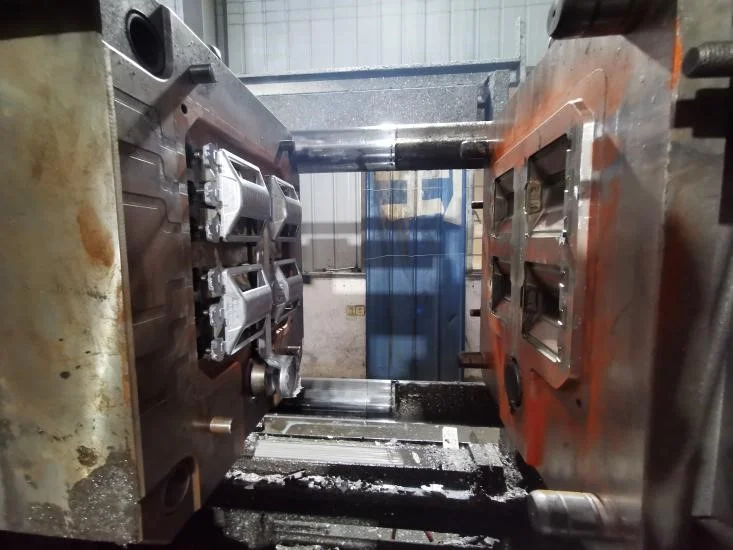
Varied aluminum content also determines the selection of die-casting equipment for zinc alloys.
Zinc alloys with high aluminum content require cold-chamber die-casting machines instead of hot-chamber units due to the high chemical activity of aluminum.
In addition, aluminum is prone to burning loss during die casting, which makes the aluminum content in finished castings lower than that of raw materials.
Hence, the proportion of virgin materials and recycled materials shall be strictly regulated in actual production.
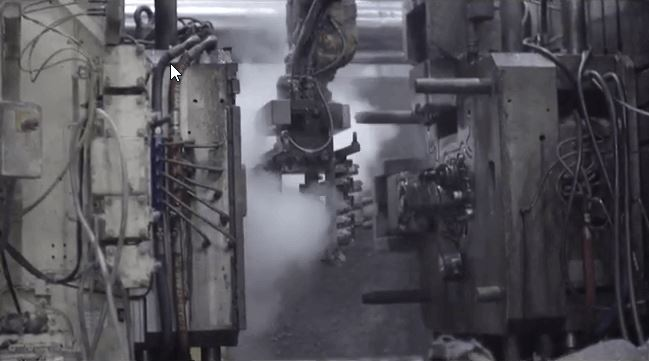
Haichen‘s die casting experience
The addition of aluminum not only improves the mechanical properties and casting properties of zinc alloys.
But also enhances their corrosion resistance, making it have a wider application prospect in industrial applications.