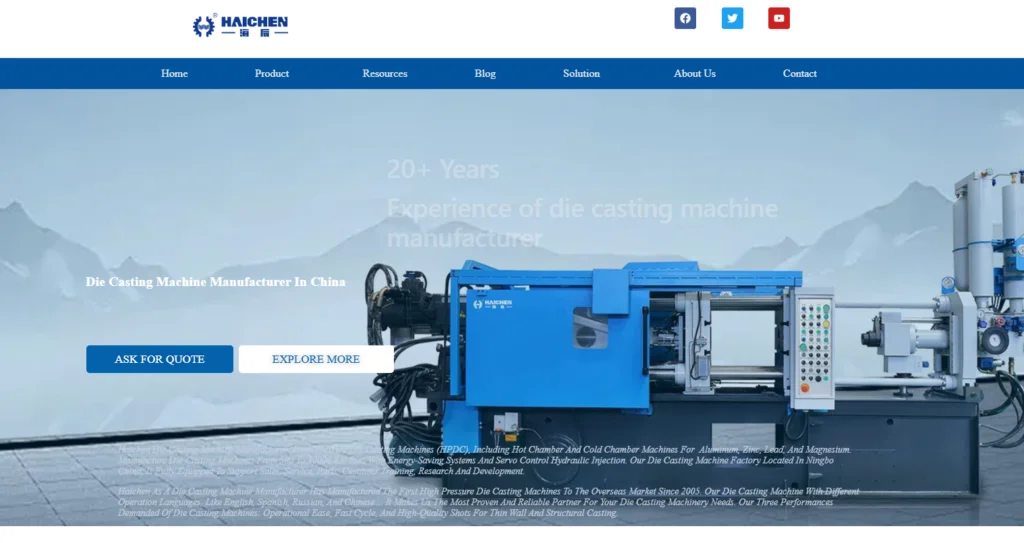
Aluminum die casting is widely used in many fields, making it one of the most popular materials for this manufacturing process.
Die casting is a high-pressure metal manufacturing process that produces precise, complex, and high-volume components by injecting molten metal into a reusable steel mold.
Among the various metals used in this process—including zinc, magnesium, and copper—aluminium stands out as the most widely adopted material, dominating industries from automotive and aerospace to electronics and consumer goods.
Its widespread use is not accidental but stems from a unique combination of material properties, process compatibility, economic efficiency.
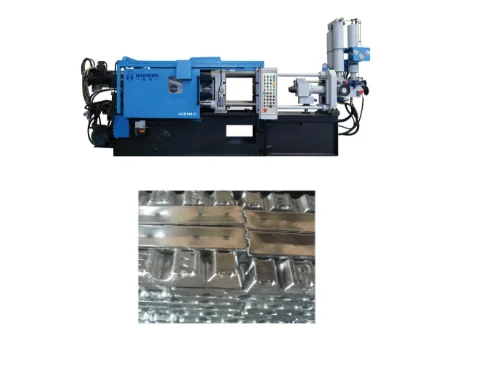
And environmental sustainability that align perfectly with the demands of modern die casting.
When selecting die casting materials, consider specific application requirements such as strength, weight, cost, environment, etc.
Aluminum die casting is suitable for high-strength and lightweight needs, zinc die casting is suitable for precision and low-cost production, and magnesium die casting is suitable for lightweight and complex structural parts.
Aluminium
Aluminum is a metallic chemical element with the chemical symbol Al, atomic number 13, and atomic weight of approximately 27.
It is the third most abundant element in the earth’s crust (after oxygen and silicon) and the most abundant metallic element, but usually in the form of compounds such as silicates or oxides, the main ore being bauxite.
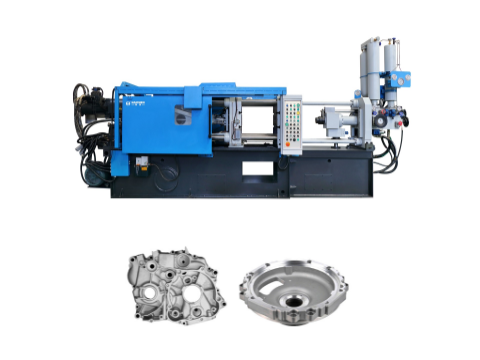
Lightweight of aluminum die casting
Low Density: Aluminum has a low density, making it much lighter than many other metals.
This is particularly beneficial in industries like automotive and aerospace, where weight reduction is crucial for fuel efficiency and performance.
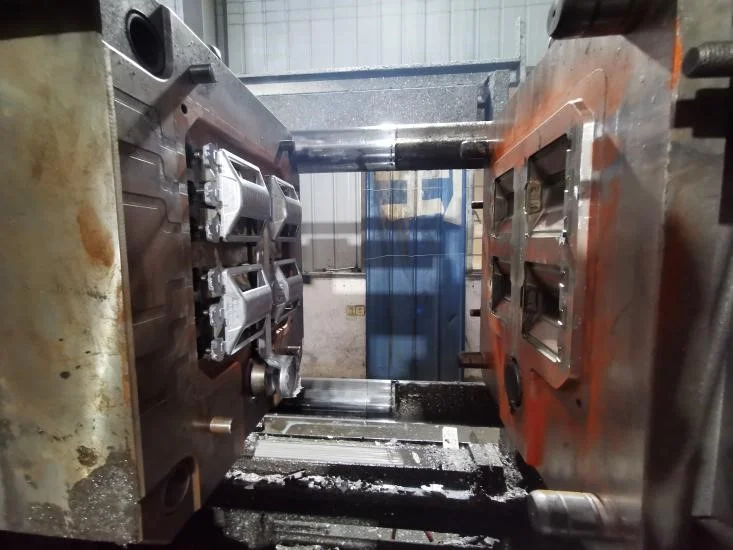
High Strength-to-Weight Ratio
Durability: Despite its light weight, aluminum offers excellent strength, providing durability and resistance to wear and tear.
Excellent Corrosion Resistance
Oxidation Resistance:Aluminum naturally forms a thin oxide layer on its surface, which protects it from corrosion.
This makes it ideal for use in environments where moisture and other corrosive elements are present.

Good Thermal and Electrical Conductivity
- Heat Dissipation
- Electrical Applications
Heat Dissipation: Aluminum’s high thermal conductivity makes it suitable for components that need to dissipate heat, such as heat sinks and electronic housings.
Electrical Applications: Its good electrical conductivity also makes it useful in electrical and electronic applications.
Ease of Machinability
Machining: Aluminum is relatively easy to machine, allowing for precise and intricate designs.
This is particularly important in die casting, where complex shapes and fine details are often required.
Recyclability
Sustainability: Aluminum is 100% recyclable without losing its properties, making it an environmentally friendly option.
Recycled aluminum requires significantly less energy to process compared to primary aluminum production.
Cost-Effectiveness
- Material Cost
- Production Efficiency
Material Cost: While aluminum can be more expensive than some other materials, its benefits often outweigh the costs, especially when considering the total lifecycle and performance of the product.
Production Efficiency: The die casting process with aluminum is highly efficient, allowing for high-volume production with minimal waste.
Aesthetic Appeal
- Surface Finish
- Dimensional Stability
Surface Finish: Aluminum can be easily finished with various surface treatments, such as anodizing, painting, or polishing, to enhance its appearance and provide additional protection.
Dimensional Stability:Aluminum maintains dimensional stability during the die casting process, ensuring that the final product meets tight tolerances and specifications.
Versatility
Wide Range of Applications: Aluminum’s properties make it suitable for a wide range of applications, from automotive parts and aerospace components to consumer electronics and household items.
What are the unique advantages of aluminum compared to other metals in the process of die casting?
- Lightweighting and High Strength
- Corrosion resistance and thermal conductivity
- Cost-effectiveness and recyclability
- Processing performance and surface quality
- High-temperature performance
- Large-scale production suitability
Lightweighting and High Strength
Aluminum has a low density and a high strength-to-weight ratio, making it suitable for lightweight design such as in automotive and aerospace fields.
Compared to magnesium with a lower density but lower strength and zinc with a high density, aluminum has a greater advantage in balancing lightweighting and strength.
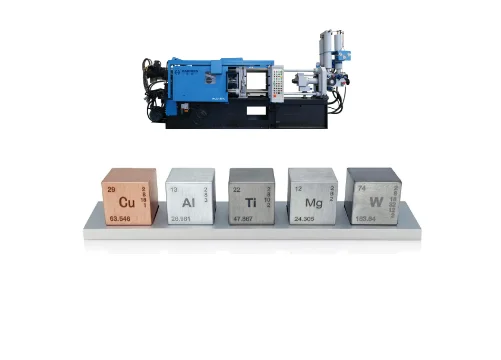
Corrosion resistance and thermal conductivity
Aluminum has excellent corrosion resistance and is suitable for harsh environments such as in the marine industry.
Its high thermal conductivity makes it widely used in radiators and electronic devices.
Zinc, although having good thermal conductivity, has poor corrosion resistance.
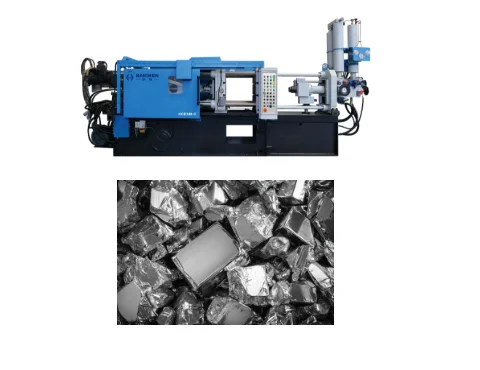
Cost-effectiveness and recyclability
The cost of aluminum die casting is relatively low.
The raw material cost is low and the recycling rate is high (100% recyclable).
Compared with magnesium which has a higher cost, it is more economically viable.
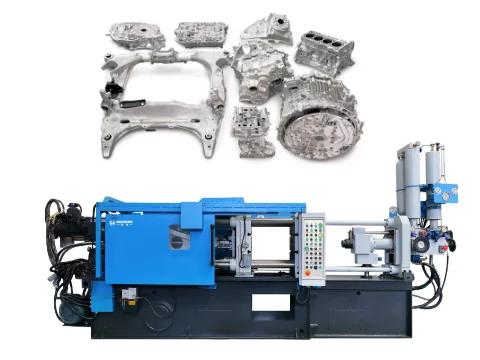
Processing performance and surface quality
The aluminum die-casting process is mature, with high surface finish, reducing the need for subsequent processing and suitable for high-precision manufacturing of complex-shaped parts.
Magnesium has good processing performance but is prone to generating pores, requiring secondary treatment.
High-temperature performance
Aluminum maintains high strength at high temperatures, making it suitable for applications in high-temperature environments.
While zinc has a low melting point (about 420℃) and is not suitable for high-temperature scenarios.
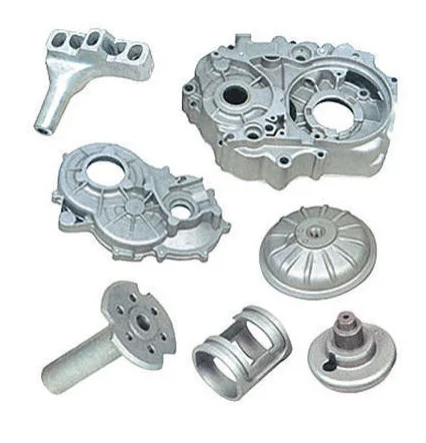
Large-scale production suitability
Aluminum die casting is suitable for large-scale production.
The mold has a long service life (approximately 100,000 cycles) and a high degree of automation, with low labor costs.
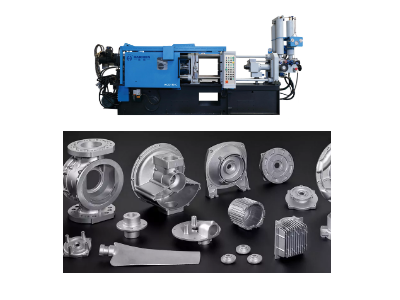
Haichen aluminium die casting machine supplier
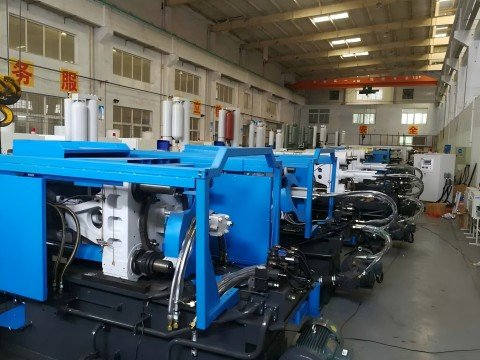
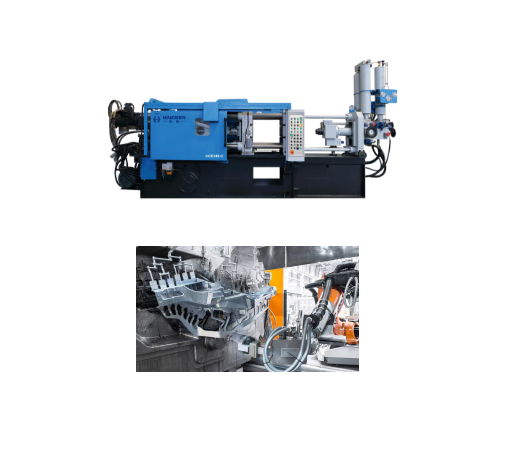
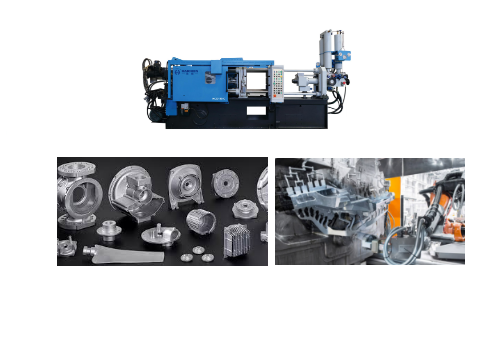
Haichen is a well-known supplier of aluminum die casting machines, offering a range of equipment designed for high-quality and efficient die casting processes.
And we mainly supply cold chamber and hot chamber die casting machines.
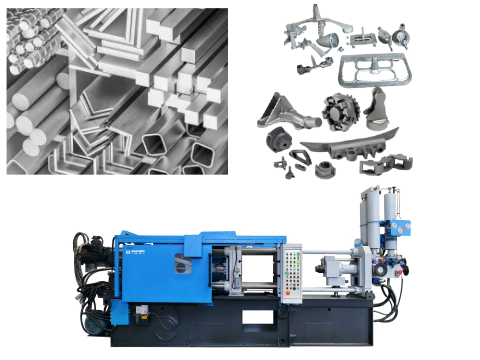
Our range of products and customization options make them a reliable choice for manufacturers looking for high-quality die casting solutions.
Whether you need a fully automatic system or a semi-automatic machine, Haichen offers equipment that can meet diverse production requirements.