Die casting automatic spray gun fault maintenance involves identifying common issues such as clogged nozzles, inconsistent spray patterns, and low pressure, then cleaning the nozzles, checking for leaks, and ensuring proper lubrication to restore optimal performance.
In the die – casting industry, automatic spray guns are essential for applying release agents and ensuring smooth part ejection.These tools play a crucial role in maintaining production efficiency and part quality.
Understanding the importance of reliable and efficient spray gun performance is vital for any manufacturer aiming to optimize their die – casting operations.
This article will explore common faults in automatic spray guns and provide practical maintenance tips to ensure optimal operation and reduce downtime. By addressing these issues proactively, manufacturers can enhance the longevity of their equipment and improve overall production efficiency.
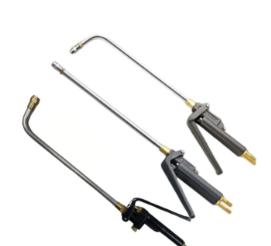
Common Faults in Automatic Spray Guns
- Clogging
- Spray Pattern Issues
- Leakage
Clogging
Clogging is a common issue where the nozzle of the spray gun becomes blocked by solidified release agent or debris. This can lead to inconsistent spray patterns and reduced coverage.
Spray Pattern Issues
Problems with the spray pattern, such as uneven distribution or insufficient coverage, can result from worn – out nozzles or incorrect settings. This can affect the mold’s surface quality and release performance.
Leakage
Leakage can occur due to damaged seals or loose connections in the spray gun system. This not only wastes release agent but can also lead to unsafe operating conditions.
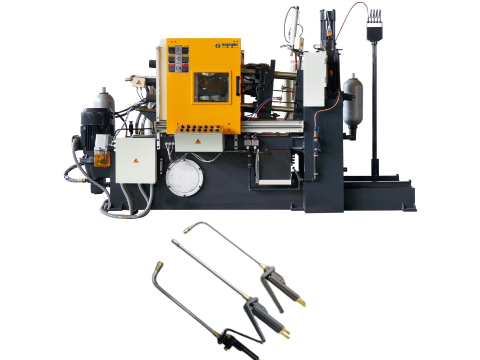
Maintenance Solutions
- Regular Cleaning
- Nozzle Replacement
- Seal and Connection Checks
- Calibration
Regular Cleaning
Regular cleaning of the spray gun is essential to prevent clogging. Use a suitable cleaning solution to remove any residue or solidified release agent from the nozzle and internal passages.
Nozzle Replacement
If the spray pattern is inconsistent, consider replacing the nozzle. Ensure that the new nozzle is compatible with your machine and settings.
Seal and Connection Checks
Inspect seals and connections regularly for signs of wear or damage. Replace any damaged seals and tighten loose connections to prevent leakage.
Calibration
Ensure that the spray gun settings are calibrated correctly. This includes adjusting the spray pressure, duration, and angle to achieve optimal coverage and performance.
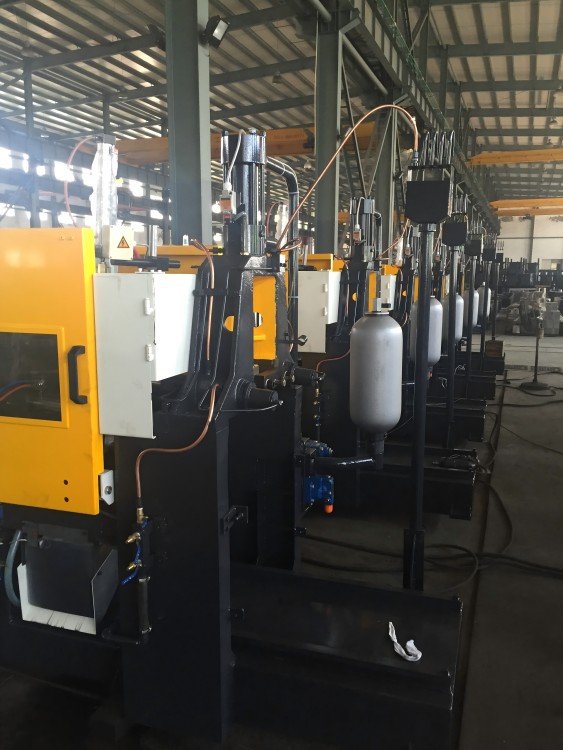
Preventive Measures
- Scheduled Maintenance
- Training
- Quality Control
Scheduled Maintenance
Implement a scheduled maintenance program to regularly check and maintain the spray gun system. This can help identify potential issues before they become major problems.
Training
Provide training for operators on the proper use and maintenance of the spray gun. This can help ensure that the equipment is used correctly and maintained in good condition.
Quality Control
Regularly inspect the mold and castings to ensure that the spray gun is performing as expected. This can help identify any issues early and take corrective action.
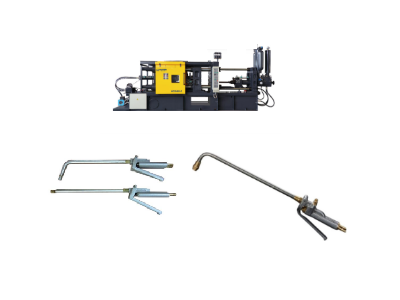
Systematic Fault Diagnosis Process
Follow a standard process to find the cause when spray gun performance is poor. The diagnosis has three steps.
- Observation and Problem Isolation
Note the specific fault (e.g., no spray, poor pattern, leakage). Check equipment alarm messages. Use manual jog testing to see if the fault is in the gun, control signal, or fluid supply system. - Sequential Check of Key Parts
Check parts in order of common failure. Look for nozzle clogging or wear first, then check line filters, then all seals, and finally test solenoid/pneumatic valve action. - Function Test and Parameter Verification
After maintenance, run a test cycle. Check if spray start/stop, pattern, and coverage are normal. Verify and calibrate spray time, pressure, and other settings in the control system to match process needs.
Detailed Fault Diagnosis and Repair Procedures
- Nozzle Clogging Diagnosis
- Spray Pattern Irregularities
- Internal Seal Failure
- Pneumatic Valve Malfunctions
- Flow Rate Verification
Nozzle Clogging Diagnosis
When clogging occurs, first identify the clog location. Disconnect the fluid line at the nozzle inlet and activate the spray cycle. If fluid flows, the clog is in the nozzle tip. If no flow, the clog is upstream in the fluid line or filter. For tip clogs, remove the nozzle and soak in solvent for 10-15 minutes. Use a soft wire to clear the orifice. Never use metal tools that enlarge the orifice. For line clogs, flush with compressed air followed by solvent.
Spray Pattern Irregularities
Uneven patterns typically result from nozzle wear, incorrect air pressure, or fluid viscosity issues. Replace the nozzle if the orifice appears enlarged or distorted. Adjust atomizing air pressure to 0.2-0.4 MPa (2-4 bar) depending on release agent type. Check that release agent dilution ratio matches manufacturer specifications; overly thick fluid produces splotchy patterns.
Internal Seal Failure
Leaks from the gun body indicate worn piston seals. Disassemble the gun according to manufacturer instructions. Inspect O-rings and flat seals for nicks, flattening, or hardening. Replace all seals during repair, not just visibly damaged ones. Apply light grease to new seals during reassembly. Test at operating pressure before returning to production.
Pneumatic Valve Malfunctions
If the gun fails to open or close, check solenoid valves first. Listen for clicking when activated. If no click, check electrical supply and coil resistance. If valve clicks but no air flow, disassemble and clean the valve body. Replace worn spools or diaphragms. Verify air supply pressure is within specified range.
Flow Rate Verification
Periodically measure spray output volume. Place a container under the gun and run for a set time (e.g., 10 seconds). Compare weight to baseline. Deviations exceeding ±10% indicate flow control issues requiring valve adjustment or pump maintenance.
HAICHEN: Your Partner in Die Casting Excellence
At HAICHEN, we specialize in manufacturing high – quality die casting machines equipped with advanced features, including reliable automatic spray guns. Our machines are designed for precision, efficiency, and safety, ensuring that every part produced meets the highest standards. Whether you are starting a new project or upgrading your existing equipment, HAICHEN has the solutions to meet your needs.
Case Study: Improving Spray Stability
A transmission housing maker had frequent nozzle clogs, causing stuck parts and mold damage, with downtime several times a week.
- HAICHEN Solution: Added a fine secondary filter to the spray unit. Separated air and release agent lines to prevent fluid thickening. Created a “spray parameter package” feature in the machine control to store and recall optimal settings for each mold.
- Result: Unplanned downtime from spray issues dropped by over 90%. Mold damage was nearly eliminated. Consistent release agent application improved part surface quality and extended mold service intervals.

HAICHEN After-Sales Support for Spray Systems
HAICHEN provides comprehensive after-sales support to ensure spray system reliability and minimize production disruptions:
- 24-Hour Technical Hotline
- Spare Parts Inventory
- On-Site Service Network
- Preventive Maintenance Programs
- Operator Training
- Digital Support Tools
24-Hour Technical Hotline
Our technical team is available by phone or video call to diagnose spray gun faults remotely. In many cases, we can guide operators through repairs without waiting for on-site service, reducing downtime from hours to minutes.
Spare Parts Inventory
HAICHEN maintains a complete inventory of spray gun components, including nozzles, seals, valves, and complete gun assemblies. Standard parts ship within 24 hours. Emergency orders receive priority handling to get production lines running quickly.
On-Site Service Network
Our service technicians are located in major manufacturing regions. For critical failures, we dispatch technicians to customer sites within 48 hours. Service visits include comprehensive system inspection, parameter optimization, and operator training.
Preventive Maintenance Programs
HAICHEN offers scheduled maintenance contracts tailored to production volume. Our technicians perform quarterly spray system inspections, including nozzle wear measurement, seal condition checks, and calibration verification. This proactive approach reduces unplanned downtime by identifying issues before they cause production stops.
Operator Training
We provide hands-on training for maintenance personnel covering spray gun disassembly, seal replacement, nozzle cleaning, and system calibration. Training includes troubleshooting guides and fault reference charts for quick problem identification. Customers who complete our training program report 40-60% reduction in spray-related downtime.
Digital Support Tools
HAICHEN offers online resources including maintenance videos, parts lists, and troubleshooting flowcharts. Customers can access these through our service portal to resolve common issues quickly without waiting for technical support.
HAICHEN’s Nozzle Benchmarking Service
HAICHEN compares your used nozzle against a new one in our lab, measuring flow rate and spray angle. A customer discovered their nozzles were 30% over‑flow, causing excess release agent use and defects. After switching to HAICHEN‑spec nozzles, release agent consumption dropped 22% and scrap fell 1.8%. This service is free for HAICHEN maintenance contract holders.
Maintaining the automatic spray gun is essential for ensuring efficient and high – quality die casting production. By understanding common faults and implementing regular maintenance solutions, manufacturers can reduce downtime and improve production efficiency.


