
Uncategorized

What is die casting cookware?
Die casting cookware refers to kitchen utensils, such as pots, pans, and other cooking vessels, that are manufactured using the die casting process. Cookware is using cold chamber die casting

Die casting cookware refers to kitchen utensils, such as pots, pans, and other cooking vessels, that are manufactured using the die casting process. Cookware is using cold chamber die casting
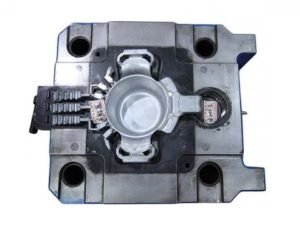

Aluminum die casting provides modern cookware with advantages like superior heat distribution, durability, lightweight design, and affordability. The die-casting process creates cookware that is resistant to warping, heats up quickly and
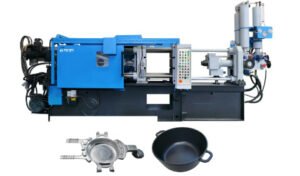

Die Cast Cookware Benefits have easy to clean, uniform heating and heat retention, high durability, versatility and so on. Die-cast aluminum cookware has a variety of advantages, and here is a
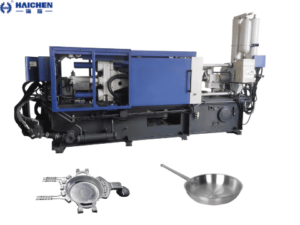

Differences Between Aluminum Die-Cast & Alloy Cookware include material composition, mechanical properties, application range, cost, and corrosion resistance. When it comes to choosing cookware, understanding the differences between aluminum die-cast
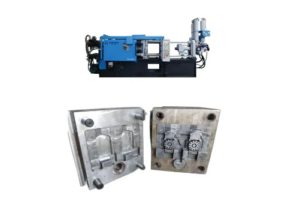
Installing a die casting mould the right way helps improve production quality and machine performance. A correct installation also reduces downtime, protects the mould, and extends its service life. However,
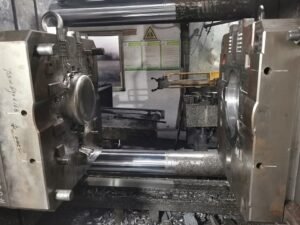
Die casting mold installation precautions includes mold preheating, lubrication treatment, locking force selection and optimization of cooling system and others. Precautions for Die Casting Mold Installation outline the essential safety and precision
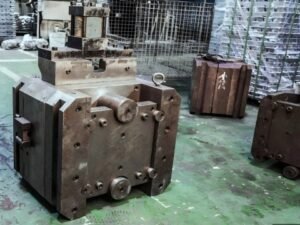
To install die casting mold, first ensure the mold is clean and free of debris, then carefully align and secure the mold halves onto the die casting machine’s platens, making
The design of the die cast mold plays a vital role in the shape of the part. In addition, it affects the quality, uniformity, and configuration of the components from the die
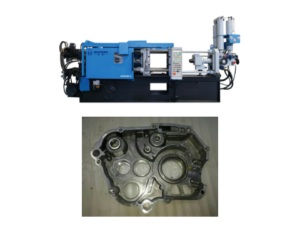
Cast aluminum and cast iron are two common casting materials that differ significantly in many ways. Cast aluminum is a lightweight, corrosion-resistant metal that heats quickly and uniformly. Making it
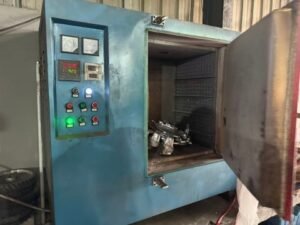
Die casting mold making requires meeting specific part requirements, choosing appropriate materials (typically high-strength steel), accurately machining both halves, and integrating gating and venting systems for metal and coolant flow