
Why does metal splash sometimes occur during die casting?
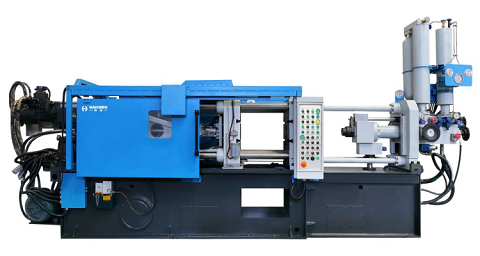
Metal splash occur during die casting includes: insufficient mold clamping force, injection pressure is too high or injection speed is too fast and so on. Metal splash, or the violent expulsion of molten metal from the die, is a serious safety and quality hazard in die casting. It occurs when high-pressure molten metal escapes through […]
Application of Quick Die Change Systems for Die Casting machine
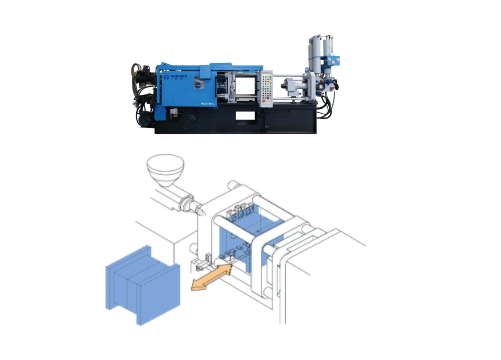
Quick Die Change Systems enables the automation of the mold-changing process, significantly enhancing the production speed, efficiency and productivity of the workshop. A quick die change system is an automated or semi-automated system. Designed to reduce the time required for die casting machines to change molds, improving production efficiency, safety, and flexibility. These systems typically […]
Process of Quick Die Change Systems for Die Casting
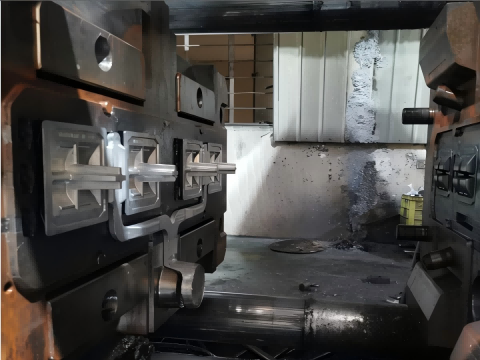
Quick Die Change System (Quick Die Change System) in the die casting process application is mainly focused on the rapid replacement and installation of the mold to improve production efficiency and flexibility. Traditional mould handling systems require operators to physically enter the press, manually loosening and tightening bolts on the clamping device, which may pose […]
Composition of the quick mold change system
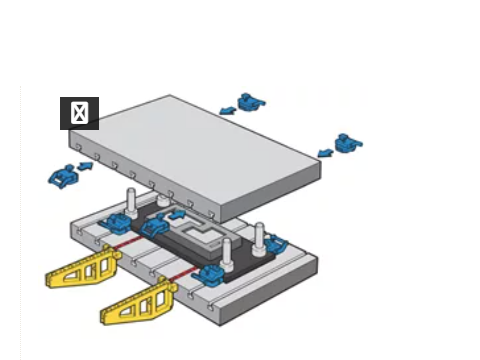
Composition of the quick mold change system: clamp, mould transfer arm, mould lifter, pneumatic and hydraulic power unit, control system and so on. The Quick Mold Change System is a mold replacement solution for molding equipment. Such as injection molding machines, stamping machines, and die casting machines. Its main purpose is to shorten mold replacement time, […]
Methods of Quick Die Change Systems for Die Casting
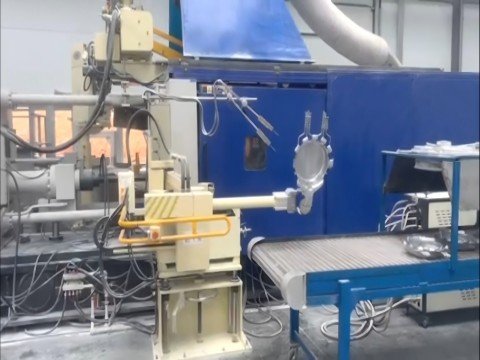
The key methods for quick die change (QDC) systems in die casting involve a combination of methodologies, mechanical innovations, automation, and process optimization. Technical details of die casting rapid mold change system SMED (Single-Minute Exchange of Die) Methodology Mechanical Innovations Automation and Auxiliary Equipment Cooling and Parameter Optimization Software and Simulation Support Specialized Services and […]
Advantages of Quick Die Change Systems for Die Casting
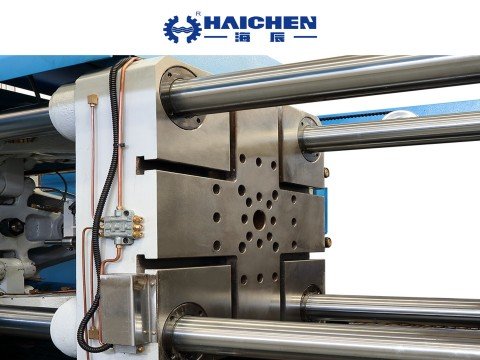
Discover the Advantages of Quick Die Change Systems for Die Casting: reduced downtime, increased productivity, and enhanced flexibility. In the highly competitive world of die casting, efficiency and productivity are key factors that determine a company’s success. One of the most significant advancements in recent years is the introduction of Quick Die Change (QDC) systems. […]
Tie Bar Load Calculation in Die Casting
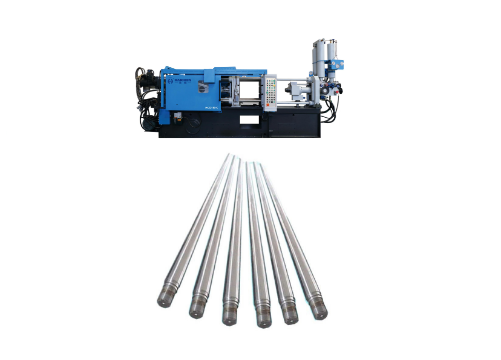
Tie bar load calculation in the die casting process, the tie rod is a key connecting component between the die casting machine and the mold. And it is directly related to the safety of the equipment and the quality of the casting. Tie bar load calculation in die casting is crucial for ensuring the structural […]
Die Cast Machine Tie Bar Repair and Machining
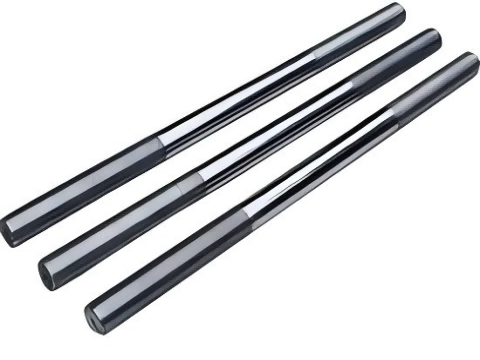
Die cast machine tie bar is critical components that maintain the structural integrity of the machine during the high-pressure die casting process. Over time, tie bars can experience wear, stretching, or damage due to the extreme forces and thermal cycling they endure. Repairing and machining tie bars is a specialized process that requires precision and […]
Functions of die casting machine tie bar
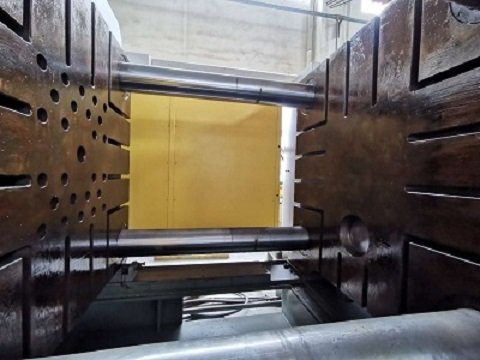
Die casting machine tie bar (also called tie rods or columns) are critical components in die casting machines, providing structural integrity and ensuring precise alignment during the casting process. In automatic tie bar withdrawal devices, the tie bar nuts on the fixed fixing plate are split . First, the split tiebar nuts are opened with a hydraulic actuating […]
Why do Die casting machine Tie Bars Break?
Die casting machine tie bars break because excessive mechnical stress, metarial and design issues, production speed and mold design and so on. The core of tie rod breakage is unbalanced stress distribution leading to single overload, rather than uniform overload. Root causes include tool/machine misalignment, uncompensated thermal deformation, uncontrolled flash and lack of maintenance. The risk […]