
Difference between hot chamber and cold chamber die casting
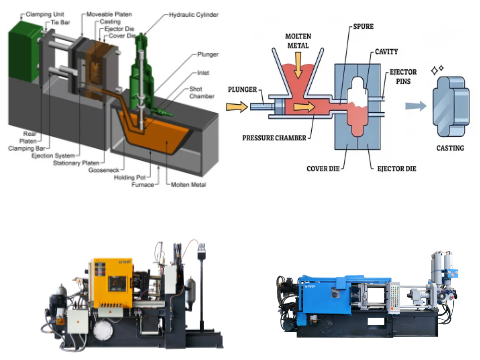
Difference between hot chamber and cold chamber die casting includes equipment structure, material suitability, production efficiency and so on. Hot chamber die casting and cold chamber die casting are two common die casting processes, which have significant differences in equipment structure, material applicability, production efficiency and safety. In this blog, we will analyse the difference […]
Cold Chamber Die Casting Advantages
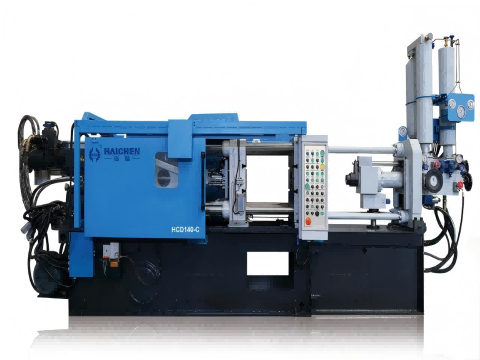
Cold Chamber Die Casting Advantages include high precision, complex shapes, wide alloy range, high efficiency, and energy savings. Cold chamber die casting stands out as a unique approach for crafting intricate and sizable metal parts, especially in industries where immense precision and detail are pivotal. Cold chamber die casting is especially suited for aluminum, copper, […]
What is a cold chamber die casting machine
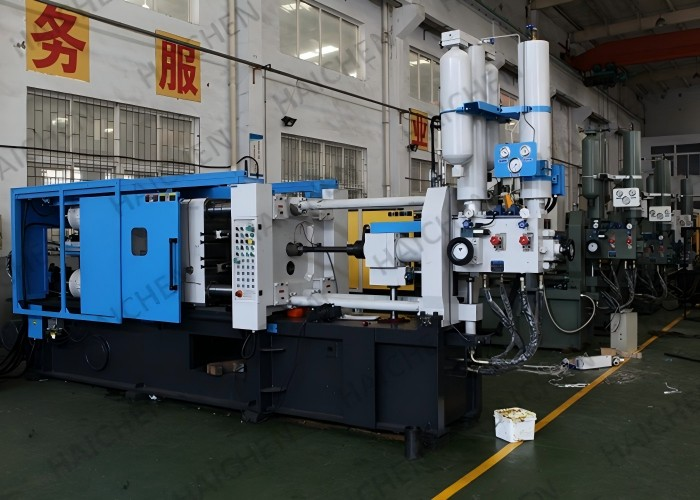
Cold Chamber Die Casting Machine is a type of equipment used for metal die casting, mainly for the production of high-precision, dimensionally consistent parts. The cold chamber die casting machine is particularly suitable for metals with high melting points, such as aluminum, copper and brass. Cold chamber die casting machines separate the furnace from the injection […]
What is zinc and aluminum alloy ?
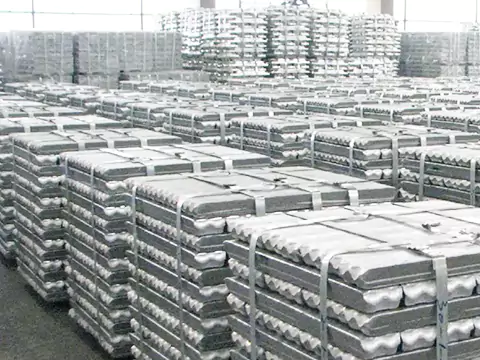
Zinc alloy and aluminum alloy are two dominant metal materials for modern die casting manufacturing. First of all, both alloys support high-speed mass production and precise part forming. Moreover, they fit most industrial die casting machine processing demands. In addition, they cover automotive, electronic and hardware industries widely. For die casting manufacturers and buyers, understanding […]
What is Aluminum Alloy?
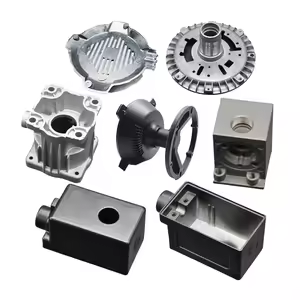
Aluminum Alloys are a kind of metal alloy whose main component is aluminium.It usually contains other elements such as copper, magnesium, manganese, silicon and zinc.The addition of these alloying elements can significantly improve the properties of aluminium.It gives it higher strength, better corrosion resistance and superior machinability. Aluminium alloys offer many advantages, such as low […]
Zinc alloy and aluminum alloy difference
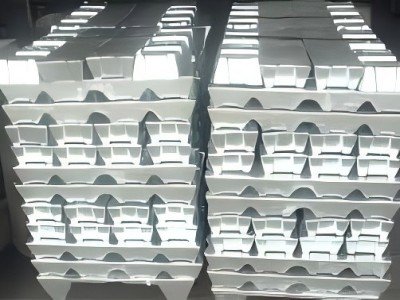
Zinc alloy and aluminum alloy difference are reflected in the composition, processing, mechanical properties and application areas. Zinc alloys and aluminum alloys are the two most widely used materials in the die casting industry. They differ significantly in composition, melting point, mechanical properties, and applications. Understanding these differences helps manufacturers select the right material for their […]
Types of aluminum alloys
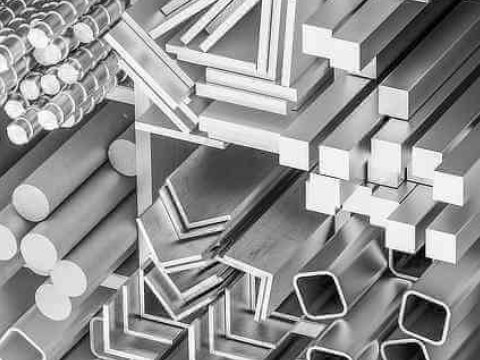
Aluminum alloys types mainly includes Al-Cu alloys, AI-Si alloys, AI-Mg alloys, AI-Zn alloys and so on. Aluminum alloys can be classified according to their application fields, mainly into two main groups: wrought aluminum alloys and cast aluminum alloys. These two groups of aluminum alloys have significant differences in performance, processing methods and application scenarios, so […]
The Advantages of Aluminum Casting Alloys
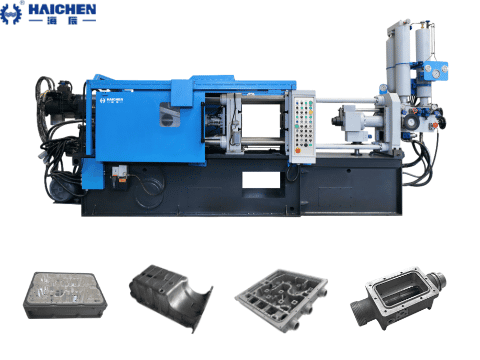
The Advantages of Aluminum Casting Alloys are numerous. They include low melting point, good fluidity, high strength, corrosion resistant. Aluminum casting alloys advantages make them the preferred material in high-pressure die casting. Today, aluminum alloy castings are widely used in automobile engine cylinder blocks, gearbox housings, 5G base station radiators, and consumer electronic device frames. […]
Benefits of adding aluminum to zinc alloys
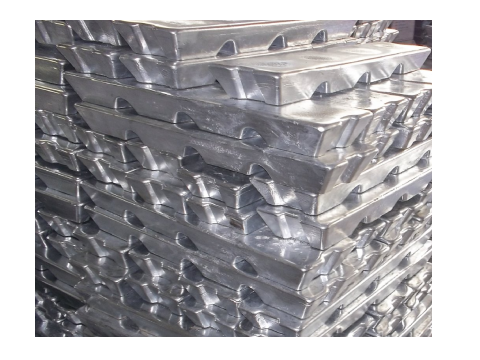
Adding aluminum to zinc alloys has a number of significant advantages: Aluminium can improve mechanical properties, such as strength and hardness, due to aluminum’s solution strengthening and grain refinement. In addition to this, there are also aspects such as fluidity and corrosion resistance. Among them, when the addition amount of aluminum is 2-4%, the tensile […]
What is Zinc Alloy
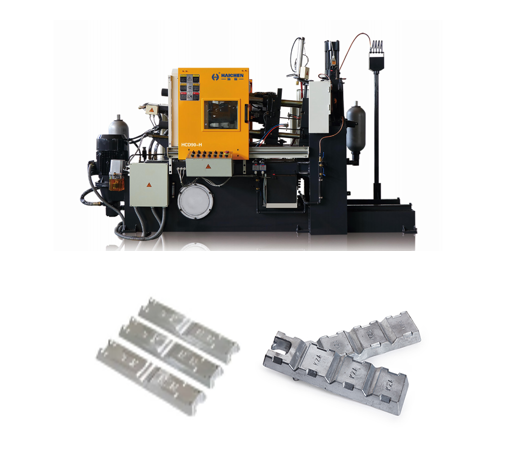
Zinc alloy is an alloy composed of zinc as the base metal and other elements as alloying elements. It is a metal alloy composed of zinc and other metal elements, usually including low-temperature alloying elements such as aluminum, copper, magnesium, chromium, lead and titanium. Zinc, as the main component, can significantly improve its physical, chemical, […]