Die casting spray technology is essential for producing high-quality parts in high pressure die casting (HPDC). Manufacturers widely employ HPDC to produce precision metal parts with complex shapes and tight tolerances. One critical aspect of this process is the application of spray technology, which plays a significant role in ensuring the quality and efficiency of the casting operation.
This guide covers die casting spray technology system types, core functions, optimization parameters, and real production data to help you select and optimize the right solution for your production needs.
What Is Die Casting Spray Technology
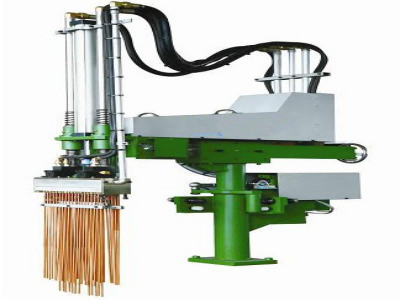
Die casting spray technology refers to the automated systems that apply release agents, lubricants, and coolants to mold surfaces in high pressure die casting. These systems use precision nozzles to deliver a controlled mixture, achieving three core functions:
Thermal Management
Rapid cooling of molds at 200-300°C per second to stabilize cycle times and prevent overheating.
Lubrication
Reducing friction between molds and castings, such as aluminum alloys, for easier ejection and reduced wear on the mold surface.
Defect Prevention
Minimizing porosity by ensuring uniform mold coverage, which is critical for thin-wall castings and structural components.
Why Die Casting Spray Technology Matters in HPDC
Mold Protection and Lubrication
Die casting spray technology is essential for applying mold release agents and lubricants to the die surface. These agents prevent the cast part from sticking to the mold, ensuring smooth ejection and reducing wear on the mold. Proper lubrication also helps maintain the mold’s surface finish and prolongs its lifespan.
Temperature Control
The spraying process helps regulate the temperature of the mold. Operators apply a thin coolant layer to maintain the mold surface within optimal temperature ranges. This ensures consistent cooling of the molten metal, reducing the risk of defects such as warping or shrinkage.
Surface Quality
Die casting spray technology contributes to the surface quality of the cast parts. Mold release agents facilitate easy part removal while preventing surface marks and defects. This results in parts with better surface finish and dimensional accuracy.
How Die Casting Spray Technology Works
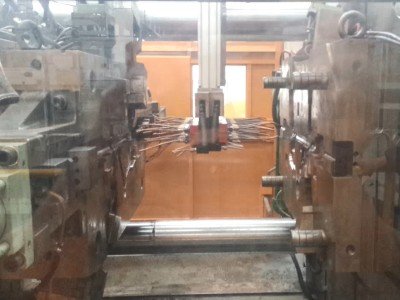
Modern die casting spray systems operate through a sequence of precisely timed actions:
- Mold opening signal triggers the spray system to begin its cycle
- Nozzle positioning moves to the correct location based on the mold geometry
- Release agent application delivers a controlled amount of lubricant to the mold surface
- Coolant spray (if applicable) cools the mold to the target temperature
- Air blow-off removes excess moisture before the next shot
HAICHEN’s systems integrate adaptive spray algorithms to adjust patterns based on mold geometry, enhancing consistency across production runs.
Types of Die Casting Spray Systems
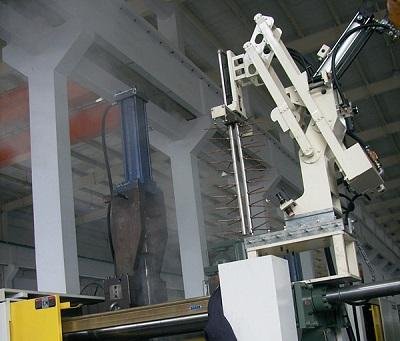
Different die casting spray technology options exist for different production needs. Here is how they compare:
| Feature | Pneumatic Spray System | Servo Spray System |
|---|---|---|
| Positioning accuracy | ±2-5mm | ±0.1mm |
| Spray consistency | Variable, pressure-dependent | Highly consistent cycle to cycle |
| Release agent consumption | Higher, fixed spray amount | 15-25% less waste |
| Programmability | Limited, fixed patterns | Multiple spray patterns, programmable |
| Energy consumption | Continuous pump operation | Power only on motion |
| Maintenance cost | Higher over lifetime | Lower over lifetime |
| Typical application | Simple molds, lower volume | Complex molds, high volume |
How to Optimize Die Casting Spray Technology Performance
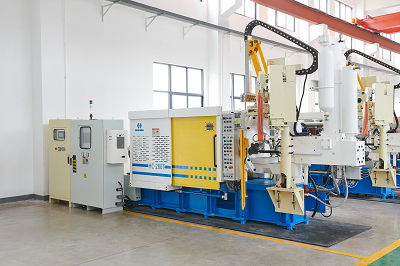
Key parameters influencing the effectiveness of die casting spray technology include:
Nozzle Selection
Multi-jet nozzles work best for complex cavities with multiple angles and depths. Fan-spray nozzles are more effective for flat, open surfaces. HAICHEN‘s anti-clogging nozzles reduce downtime by 30% compared to standard nozzles through self-cleaning design and improved flow control.
Pressure and Duration
Optimal pressure ranges from 0.5 to 1.5 MPa, with spray duration typically between 0.5 and 3 seconds. These parameters must be balanced to achieve proper cooling while maintaining adequate lubricant retention on the mold surface.
Lubricant Selection
Low-VOC lubricants comply with environmental regulations while maintaining thermal conductivity. Water-based release agents are the industry standard for aluminum and magnesium alloys, offering the best balance of performance and environmental compliance.
Spray System vs Manual Spraying
Traditional manual spraying relies on operator skill and often results in uneven coverage. Automated die casting spray technology delivers:
- Improved operator safety by removing manual spraying from the production cell
- Consistent spray volume cycle to cycle
- Precise targeting of complex mold geometries
- Reduced release agent waste, typically 15-25% savings
- Faster cycle times through optimized spray duration
Real Production Data
HAICHEN has deployed die casting spray technology across multiple industries. Here are three verified results from production environments:
| Application | Challenge | HAICHEN Solution | Result |
|---|---|---|---|
| Automotive engine block | Porosity defects at 4.2% | Servo sprayer with multi-jet nozzles and vacuum assistance | Porosity reduced to 0.8% |
| Electronics housing | Warpage from uneven cooling | Programmable spray patterns with adaptive temperature control | Warpage reduced 60%, scrap cut in half |
| Aerospace turbine component | Oxidation and surface defects | Vacuum-assisted spray with optimized nozzle positioning | Defect rate below 0.5% |
Frequently Asked Questions
Q: What are the main functions of spray technology in die casting
A: The three core functions are thermal management (cooling molds at 200-300°C per second), lubrication (reducing friction for easier ejection), and defect prevention (minimizing porosity through uniform coverage).
Q: What is the difference between pneumatic and servo spray systems
A: Pneumatic systems have lower upfront cost but offer less precision (±2-5mm accuracy) and higher release agent consumption. Servo systems provide ±0.1mm accuracy, 15-25% less waste, and programmable spray patterns at higher initial cost.
Q: How does spray technology affect casting quality
A: Proper spray application prevents sticking, reduces surface defects, controls mold temperature to prevent warping, and minimizes porosity. In HAICHEN’s automotive case, porosity dropped from 4.2% to 0.8% after servo sprayer installation.
Q: What are the key parameters to optimize in spray systems
A: The key parameters are nozzle selection (multi-jet vs fan-spray), pressure (0.5-1.5 MPa), spray duration (0.5-3 seconds), and lubricant material selection. HAICHEN’s anti-clogging nozzles reduce downtime by 30%.
Q: Does HAICHEN offer different spray system types
A: Yes. HAICHEN supplies both pneumatic and servo spray systems across multiple price and performance tiers. The aerospace turbine case above shows vacuum-assisted spray technology achieving defect rates below 0.5%.


