What You Will Learn Here
Die casting sprayer price depends on automation level, control system, and build quality. Before you buy, you need to know what you are actually paying for and whether a higher price saves you money over time. This guide explains the real cost differences and helps you choose the right machine for your production.
- Real price ranges for manual, pneumatic, and servo sprayers
- Where the hidden costs are and how to avoid them
- How to match sprayer type to your actual production volume
- Total cost of ownership comparison with real numbers
- One real production example from Thailand
Price Quick Reference by Type
Die casting sprayer price starts around $3,000 for basic manual units and goes up to $20,000+ for fully automatic servo systems. Here is a quick breakdown by type:
| Type | Price Range | Best For |
|---|---|---|
| Manual spray gun | $3,000 – $6,000 | Small shops, low volume, simple molds |
| Pneumatic automatic sprayer | $7,000 – $12,000 | Medium volume, standard molds |
| Servo-driven automatic sprayer | $15,000 – $20,000+ | High volume, complex molds, multi-alloy |
That is the sticker price. The real question is what each machine costs you over three years. That is where the math gets interesting.
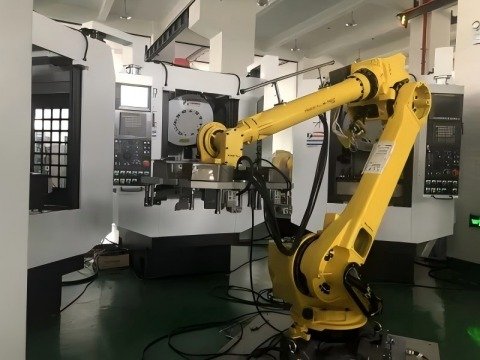
Understanding Die Casting Sprayer Cost Factors
Price differences come down to four specific factors. Understanding each one helps you decide which tier actually makes sense for your operation.
1. Drive Type
This is the single biggest factor. A pneumatic sprayer uses air pressure to push release agent through the nozzle. Simple and reliable, but you cannot control the exact amount. A servo sprayer uses a motor-driven pump that delivers precise flow, cycle after cycle.
The servo motor alone adds about $4,000-$6,000 to the purchase price. It also cuts release agent use by 20-30% and eliminates inconsistent spray coverage from shift to shift.
2. Control System
A basic timer costs $50. A PLC with touchscreen, multiple spray programs, and real-time monitoring costs $2,000-$3,000. The difference shows up on the shop floor when the operator spends 5 minutes adjusting settings for a mold change instead of 45 minutes.
3. Build Materials
Mild steel vs stainless steel. Standard seals vs high-temp seals. Cast iron pump vs ceramic pump. The difference is about $1,500-$3,000. It matters when the machine is still running after eight years of daily use.
4. What Is Included in the Quote
Some quotes include installation, operator training, and spare nozzles. Some do not. That $7,000 quote might become $9,000 before the machine hits your floor. The $16,000 quote might include everything. Check HAICHEN technical guidelines for industry standards on equipment specifications and total cost considerations.
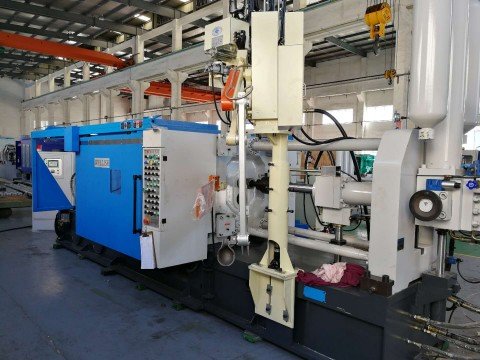
Total Cost Analysis for Die Casting Sprayer Models
Price is not just about the sticker. Here is the math on a medium-volume line running 1,200 castings per shift, two shifts per day:
| Cost Item | Pneumatic Sprayer | Servo Sprayer |
|---|---|---|
| Purchase price | $8,500 | $16,800 |
| Release agent cost (year 1) | $8,000 | $6,000 |
| Release agent cost (year 2-3) | $8,000/yr | $6,000/yr |
| Maintenance (year 1) | $2,200 | $900 |
| Maintenance (year 2-3) | $2,200/yr | $900/yr |
| Scrap from sticking (annual) | $3,000 | $1,000 |
| Total first year | $21,700 | $24,700 |
| Total over 3 years | $42,700 | $38,200 |
Key takeaway: The servo costs $3,000 more upfront but saves about $4,500 over three years. The breakeven point is around month 11-12. For more on total cost analysis, see this total cost of ownership reference for die casting equipment.
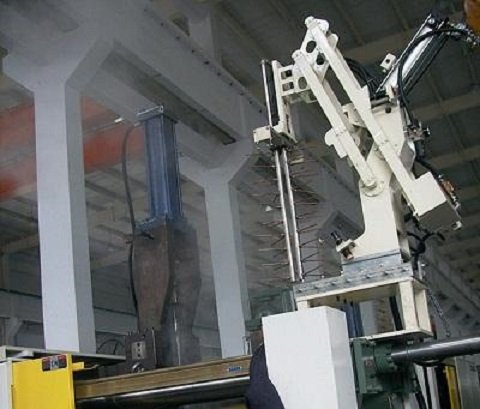
Choosing the Right Sprayer for Your Production Needs
Here is a simple way to decide based on your production volume. Pick your output and see which tier fits:
Under 500 Castings Per Shift
- Manual spray gun is fine. Price range: $3,000-$5,000
- If you want automation, a basic pneumatic unit works. Price: $7,000-$8,000
- Do not overbuy. A servo unit will not pay back at this volume.
500 to 1,500 Castings Per Shift
- Pneumatic automatic is the entry point. Price: $7,000-$10,000
- Servo becomes worth it if scrap is above 3% or release agent is expensive
- Payback on servo at this volume: 14-20 months
1,500 to 3,000 Castings Per Shift
- Servo is the clear winner. Price range: $15,000-$18,000
- Pneumatic is false economy at this volume. The waste and scrap eat the savings
- Payback on servo: 8-14 months
Over 3,000 Castings Per Shift
- Servo is not optional. Price: $16,000-$20,000+
- At this volume, the servo pays for itself in under 8 months
- Some shops run two servo sprayers on one cell for redundancy
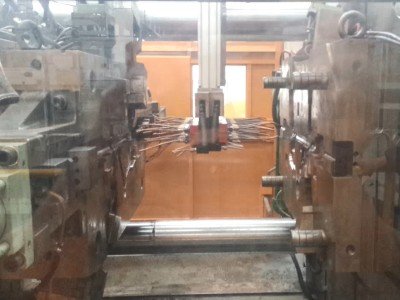
What Actually Comes in the Box
Before you sign a quote, ask what is included. There is no standard package in this industry.
| Item | Often Included? | Cost If Not |
|---|---|---|
| Machine hardware (spray heads, pump, tank, frame) | Yes | — |
| PLC or basic control | Depends on model | $500-$3,000 |
| Installation and commissioning | Sometimes | $800-$2,000 |
| Operator training | Sometimes | $500-$1,500 |
| Warranty period | Usually 6-12 months | Not applicable |
| Spare nozzles, seals, filters (starter kit) | Sometimes | $200-$800 |
The cheapest quote often becomes the most expensive total cost when you add all the things it does not include. Learn more about release agent mixing equipment for a complete die casting auxiliary setup.
Real Production Example from Thailand
A die casting manufacturer in Thailand was running aluminum parts on a 400-ton cold chamber machine. Production was 1,200 castings per shift, two shifts, six days a week. See HAICHEN cold chamber machine specifications here.
Before upgrade, they used a pneumatic automatic sprayer with an $8,500 price tag. Their data:
- Release agent consumption: 200 liters per week
- Sticking-related scrap: 4.5%
- Spray system maintenance: $2,200 per year
- Rejected parts from sticking: about 90 pieces per day
They replaced it with a HAICHEN servo sprayer priced at $16,800. The servo unit uses proportional valves and programmable nozzle positioning, so it sprays only where release agent is actually needed. Results after six months:
- Release agent consumption: 160 liters per week (20% less)
- Sticking-related scrap: 0.7% (down from 4.5%)
- Spray system maintenance: $900 per year (down $1,300)
- Rejected parts: about 14 per day
The machine paid for itself in 11 months from material savings alone, not counting scrap reduction and labor. The maintenance cost also dropped because servo motors do not wear like pneumatic cylinders do. This is a real example of how upfront cost affects total cost of ownership.
Maintenance Costs to Budget For
Annual maintenance is usually 5-10% of the purchase price. For a $15,000 servo sprayer, budget $750-$1,500 per year. Here are the common wear items and what they cost:
| Part | Cost | Replacement Frequency |
|---|---|---|
| Spray nozzles | $50-$150 each | Every 50k-100k cycles |
| Seals and O-rings | $20-$50 | Annually |
| Filters | $30-$80 | Every 3-6 months |
| Pump (for pneumatic systems) | $400-$800 | Every 1-2 years |
| Servo motor (if damaged, rare) | $800-$2,000 | 5-8 years |
Pneumatic systems need more frequent component replacement. Servo systems have higher upfront price but lower long-term maintenance costs.
Frequently Asked Questions
Q: What is the average price for a basic spray unit
A: A basic manual spray gun costs $3,000-$6,000. Semi-automatic pneumatic units range from $7,000-$12,000. The total depends heavily on automation level.
Q: How much does a servo sprayer cost
A: A servo-driven unit with PLC control, multiple nozzles, and stainless steel construction typically costs $15,000-$20,000. Custom configurations can exceed $25,000.
Q: What influences the total cost the most
A: Automation level is the biggest factor. Manual to semi-automatic adds about $4,000. Semi-automatic to servo adds another $8,000-$10,000.
Q: Is a servo unit worth the higher investment
A: For medium to high-volume production (1,500+ castings per shift), yes. The servo pays for itself in 8-14 months through material savings, lower scrap, and reduced maintenance. The Thailand example shows 11-month payback.
Q: What is typically included in the purchase
A: Machine hardware is always included. PLC controls are model-dependent. Installation, training, and spare parts are sometimes extra. Always ask what is included before comparing.
Q: How long do these machines last
A: With proper maintenance, a quality unit lasts 8-12 years. Stainless steel construction lasts longer than mild steel.
Q: Can a basic unit be upgraded to servo later
A: Possible, but expensive. The control system, motors, and software are all different. Usually cheaper to buy the right machine upfront.


